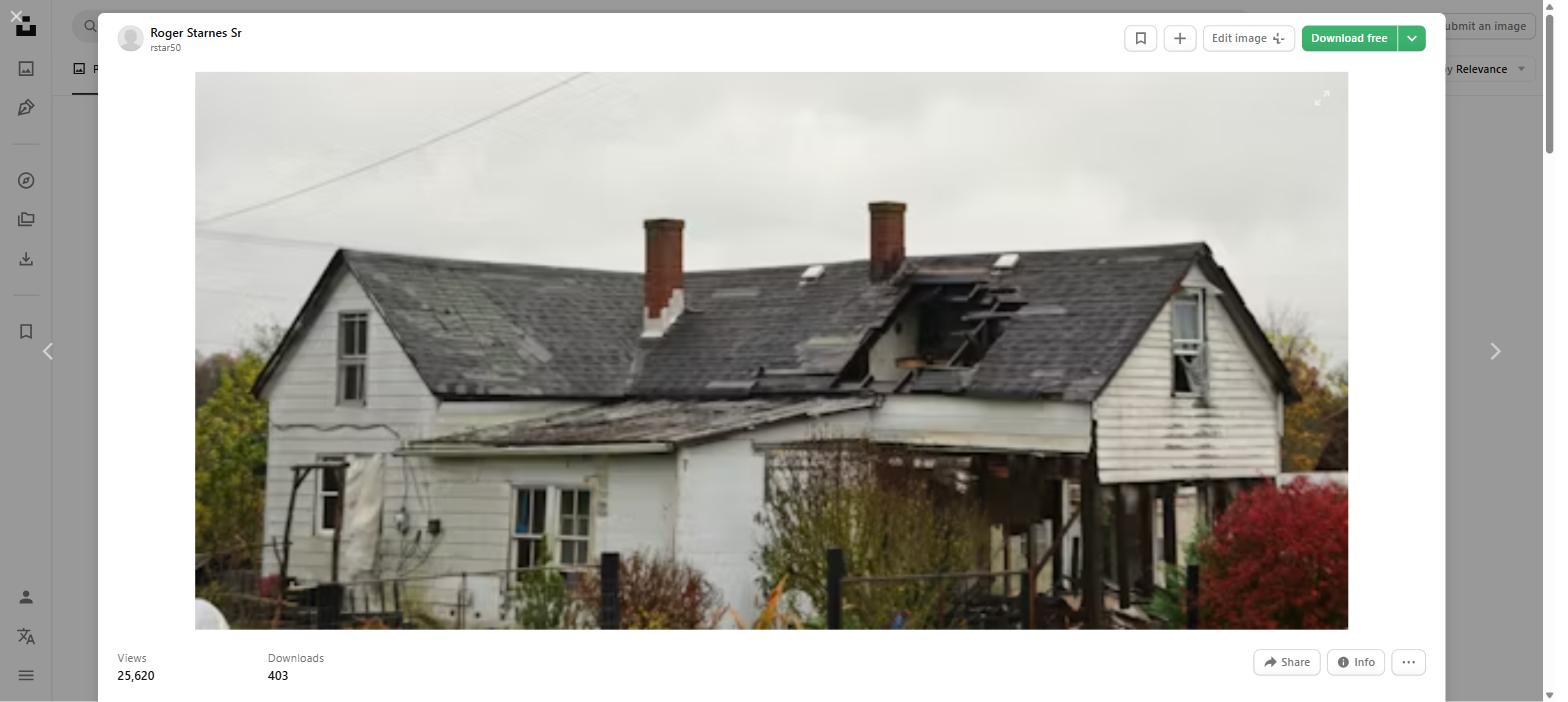
The Aledo Homeowner's Guide to Roofing and Storm Prep
Aledo homeowners can cut their storm-damage risk significantly by handling three things before severe weather season — trimming overhanging branches, clearing gutters, and getting a professional roof inspection — and by knowing exactly who to call and what to document the moment a storm passes through Mercer County.
Aledo sits far enough from the river that homeowners sometimes assume storms hit softer out here than they do closer to the Quad Cities core. They don't. Mercer County sees the same hail cells and straight-line wind events that roll through Rock Island and Henry Counties, and Aledo's older housing stock — plenty of homes with roofs original to the build — means storm damage often finds a weaker starting point. Twin Bridge Roofing & Construction has handled storm inspections and claims across Aledo and the rest of Mercer County for years, and this guide covers what local homeowners should do before and after a storm hits.
How Vulnerable Are Aledo Roofs to Storm Damage?
More vulnerable than many homeowners realize, mainly because of roof age. A lot of Aledo's housing stock dates back decades, and asphalt shingle roofs lose granule protection and wind resistance as they age — a 20-year-old roof that looked fine last summer can fail at wind speeds a newer roof would shrug off. Add in mature tree cover throughout town, and falling limbs become a real risk during high wind events, not just hail.
What Should You Do Before Storm Season Hits?
Three things matter most. First, walk your property and look up — overhanging branches near the roofline are one of the most common sources of storm damage in Aledo, and trimming them back before a wind event is far cheaper than repairing what they hit. Second, clear your gutters; a clogged gutter during a heavy rain event backs water up under the roof edge, which turns a manageable storm into an interior leak. Third, get a roof inspection if it's been more than two or three years since your last one. An inspection catches lifted shingles, worn flashing, and soft decking before a storm turns a small weak point into a major repair.
What Should You Do Immediately After a Storm?
Start from the ground. Walk your yard and look for granules in gutters and downspouts, dented soft metal (gutters, vents, AC units), and shingle pieces in the grass — all of these are signs your roof likely took a hit too, even if you can't see damage from the driveway. Take photos of anything you find, and take photos of the roof itself if you can safely see it from the ground or a second-story window. Never climb onto a storm-damaged roof yourself to inspect it; wet, wind-loosened shingles are a real fall risk.
From there, call a local roofing contractor for a professional inspection before you call your insurance company, if you can. A contractor who knows what storm damage actually looks like — versus normal wear — will tell you honestly whether you have a claim-worthy issue, which protects you from either missing real damage or filing a claim for something cosmetic.
What Happens If the Storm Caused Real Damage?
If our inspection turns up wind or hail damage that meets your insurance company's threshold, we'll document everything — photos, measurements, and a written scope — and walk you through filing the claim. We meet the adjuster at the property for the inspection, make sure nothing gets missed or underscoped, and handle the repair or replacement once the claim is approved. You're never on your own figuring out insurance paperwork on top of a damaged roof.
Why Work With a Local Mercer County Contractor?
After any major regional storm, traveling "storm chaser" crews show up in towns like Aledo offering fast, cheap repairs — and then disappear before winter, leaving homeowners with no one to call under warranty. Twin Bridge is based in Milan and has served Mercer County homeowners for years before and after storms roll through. We'll be here for the warranty call, not just the estimate.
Frequently Asked Questions
How do I know if my Aledo home's roof damage is bad enough to file a claim?
A professional inspection is the only reliable way to know. Hail bruising and wind-lifted shingles aren't always visible from the ground, and insurance companies have specific thresholds for what qualifies — a local contractor who does storm inspections regularly can tell you honestly before you file.
Does homeowners insurance cover storm damage in Mercer County?
Most standard homeowners policies cover wind and hail damage to roofs, subject to your deductible. Coverage details vary by policy and insurer, so it's worth confirming your specific wind/hail deductible before storm season.
How fast can Twin Bridge get to an Aledo property after a storm?
We prioritize storm inspections in the days immediately following a confirmed weather event in our service area, which includes all of Mercer County. Call as soon as you notice potential damage so you're in the queue early.
Should I get a tarp on my roof before the inspection if there's an active leak?
Yes — a temporary tarp to stop active water intrusion is reasonable and often expected by insurers as mitigation. Avoid getting on the roof yourself; call for emergency tarping if you have active leaking.
If a storm has hit your Aledo home, or you want to get ahead of the next one, Twin Bridge Roofing & Construction is ready to help. Schedule your free inspection or call (563) 655-4902. Done Right. Done Forever.
