Why Attic Ventilation Is Critical for Roof Longevity in the Midwest
Why Attic Ventilation Is Critical for Roof Longevity in the Midwest
When homeowners think about roof problems, they usually focus on shingles. But in the Midwest—especially in the Quad Cities—one of the most important factors affecting roof lifespan is something most people never see: attic ventilation.
Proper attic ventilation protects your roof from moisture, heat buildup, and premature aging. In Illinois and Iowa, where homes experience cold winters, humid summers, and dramatic temperature swings, ventilation plays a bigger role than many homeowners realize.
Understanding how attic ventilation works—and why it matters—can help Quad Cities homeowners extend roof life and avoid costly repairs.
What Attic Ventilation Actually Does
Attic ventilation controls heat and moisture movement inside the attic space.
The basic airflow principle
A properly ventilated attic uses:
Intake vents (usually at the soffits) to bring in cooler air
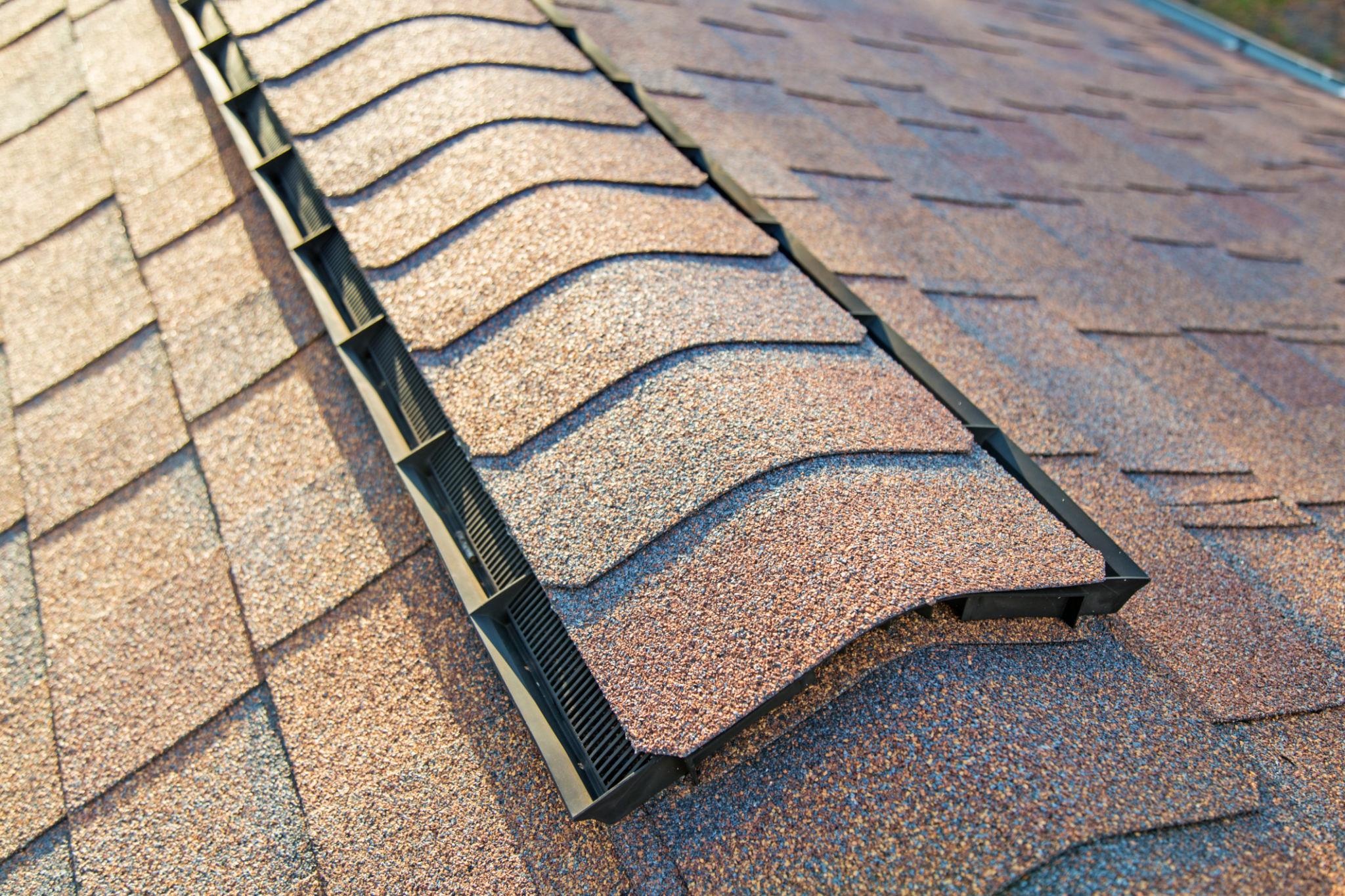
Exhaust vents (such as ridge vents or roof vents) to release warm, moist air
This continuous airflow helps regulate attic temperature and humidity year-round.
Why Midwest Homes Depend on Balanced Ventilation
Ventilation problems affect homes differently depending on the season.
Winter: moisture control
During winter, warm indoor air naturally rises into the attic. Without proper ventilation:
Moist air condenses on cold surfaces
Frost forms on roof decking
Insulation becomes damp
When temperatures rise, that frost melts, creating water that can look like a roof leak.
Summer: heat reduction
In summer, attic temperatures can soar well above outdoor temperatures. Poor ventilation causes:
Shingles to bake from underneath
Faster shingle aging
Higher cooling costs
Increased strain on HVAC systems
In the humid Midwest, trapped moisture also accelerates material breakdown.
How Poor Ventilation Shortens Roof Life
Roofing materials are designed to perform within certain temperature and moisture ranges.
The effects of poor ventilation
When airflow is restricted:
Shingles dry out and crack faster
Seal strips lose adhesion
Roof decking can warp
Fasteners may loosen over time
Even high-quality roofing systems can fail early if ventilation is inadequate.
Common Attic Ventilation Mistakes
Many ventilation problems stem from well-intended but incorrect installations.
Frequent issues seen in Quad Cities homes
Too much exhaust and not enough intake
Blocked soffit vents due to insulation
Bathroom fans venting into the attic
Mixing incompatible vent types
More vents don’t always mean better airflow—balance is key.
Signs Your Attic Ventilation May Be Inadequate
Homeowners often notice symptoms without realizing ventilation is the cause.
Exterior roof signs
Shingles aging unevenly
Curling or brittle shingle edges
Ice dams forming repeatedly in winter
Interior home clues
Musty attic odors
Uneven temperatures upstairs
Higher energy bills
Condensation on attic surfaces
These signs often indicate trapped heat or moisture.
Ice Dams and Ventilation: A Direct Connection
Ice dams are a common Midwest roofing problem.
How ventilation contributes
Ice dams form when:
Warm attic air melts snow on the roof
Meltwater refreezes at cold eaves
Ice blocks proper drainage
Proper ventilation helps keep roof temperatures more consistent, reducing ice dam formation.
Why Older Homes Are More Vulnerable
Many older Quad Cities homes were built before modern ventilation standards.
Common issues in older homes
Insufficient soffit venting
No continuous ridge vent
Older insulation methods that block airflow
Without updates, these homes often experience moisture and roof aging issues sooner.
Why Professional Ventilation Assessments Matter
Ventilation issues are rarely obvious from the ground.
What professionals evaluate
Intake-to-exhaust balance
Airflow pathways
Insulation placement
Moisture indicators
Roof system interaction
A proper assessment looks at the entire roof system—not just individual vents.
How Ventilation Improvements Protect Your Investment
Correcting ventilation can:
Extend roof lifespan
Reduce moisture damage
Improve energy efficiency
Lower long-term maintenance costs
It’s one of the most cost-effective improvements homeowners can make.
Local Experience Makes a Difference
Midwest climate conditions require region-specific solutions. A local contractor understands:
Quad Cities seasonal weather patterns
Common attic issues in local home styles
How ventilation impacts roof warranties
That experience ensures recommendations are practical and effective.
Schedule a Free Attic & Roof Inspection
If your roof seems to be aging too quickly, or you’ve dealt with ice dams or attic moisture issues, ventilation could be the missing piece. Twin Bridge Roofing & Construction is a licensed and insured roofing & siding contractor serving the Quad Cities, offering free, no-obligation inspections to evaluate attic ventilation and overall roof health.
📞 Call or text 309-948-4126 to schedule your inspection
🌐 Visit roofqc.com to request an appointment online
