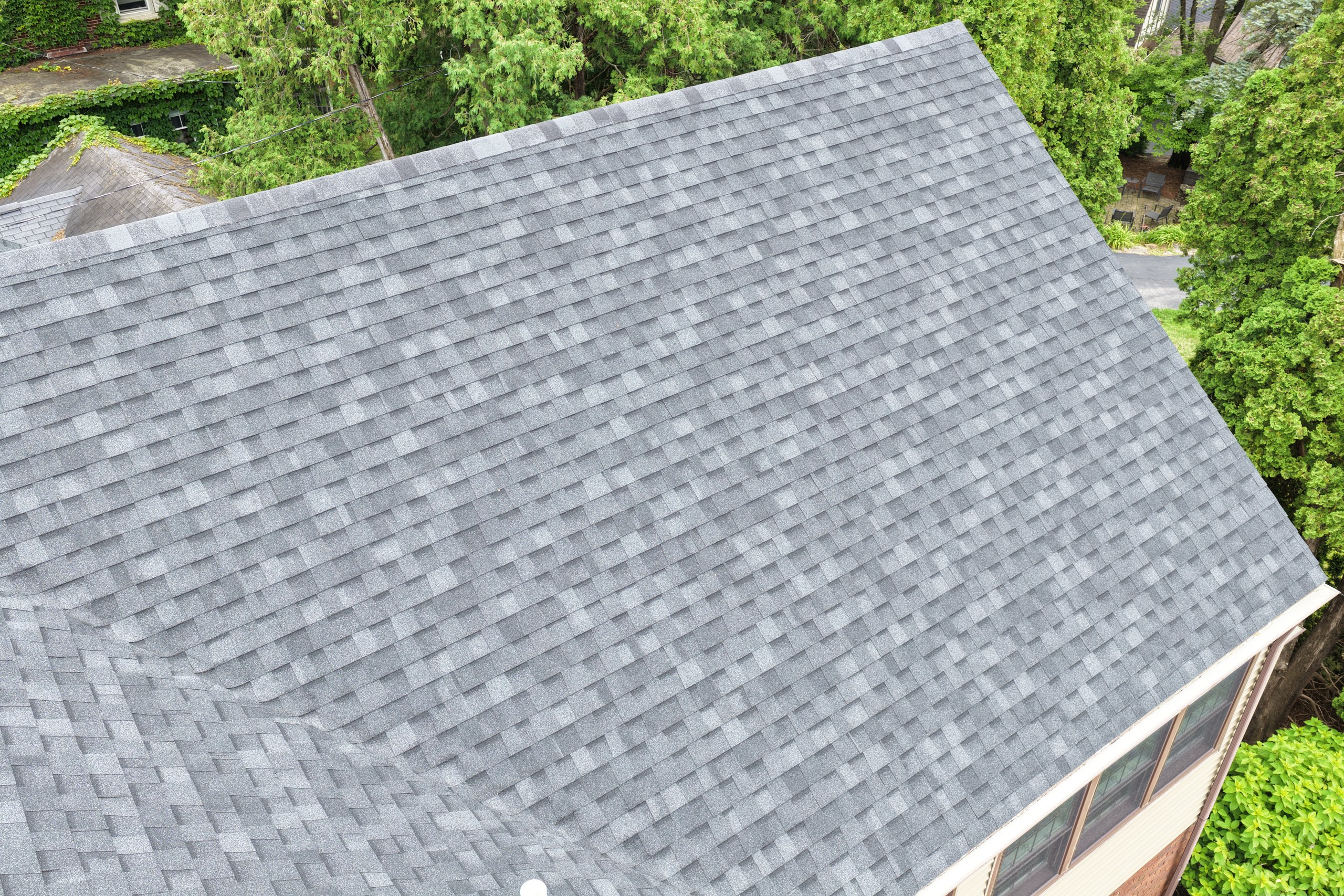
Why August Heat Is Hard on Quad Cities Roofs — and What to Check in September
August heat in the Quad Cities doesn't just feel brutal — it takes a real toll on your roof. Intense UV exposure, temperature swings between scorching days and cooler nights, and trapped moisture in your attic all work together to accelerate shingle aging, crack sealant, and create conditions for leaks. If your roof survives the summer without obvious damage, there's still wear happening beneath the surface. That's why September inspection is critical—before fall arrives, you need to spot problems early and plan repairs before winter weather hits.
How August Heat Damages Quad Cities Roofs
The Midwest climate is tough on roofs. August temperatures in the Quad Cities regularly hit the 80s and 90s, and when the sun beats down on a dark asphalt shingle roof, surface temperatures can reach 140–160°F. That sustained heat accelerates the chemical breakdown of asphalt binders that hold shingles together. Over weeks and months, shingles become brittle, curl at the edges, and lose their protective granule coating—the small pebbles that shield asphalt from UV rays.
UV Exposure and Shingle Degradation
Asphalt shingles are designed to last 15–25 years, but that timeline assumes normal wear. August sun in Iowa and Illinois speeds that process. Every hour of direct sunlight degrades the asphalt matrix. In the Quad Cities, where summer daylight stretches 15+ hours, a roof endures intense cumulative exposure. Composite or high-quality shingles hold up better, but even premium products show accelerated aging under sustained August heat. By September, look for shingles that appear faded, lighter in color, or losing their texture—those are signs of UV damage.
Temperature Cycling and Material Stress
August brings temperature swings: 95°F afternoons followed by 65–70°F nights. That daily cycling causes expansion and contraction in roofing materials. Shingles expand when hot, contract when cool. Flashing around vents and chimneys expands and contracts at different rates than the roof deck, creating micro-gaps where water can eventually seep in. Sealant that was flexible in spring becomes brittle by late summer, cracking under the stress. These cracks don't leak immediately, but they set up problems for fall rains.
Moisture Buildup in Attics
In August, your attic is an oven. Poor ventilation traps heat and moisture. That moisture condenses on the underside of roof decking at night, especially if your home isn't air-conditioned or cooling isn't keeping attic temperatures below outdoor levels. Wood roof decking absorbs moisture, leading to rot and structural weakness. Mold can grow in these damp, dark spaces. By September, if your roof has any weak spots or missing shingles, moisture has had weeks to infiltrate and cause damage that isn't visible from the outside yet.
Signs Your Roof Took Heat Damage (What to Check in September)
After August's heat, September is your window to spot damage before it becomes a leak or structural problem. Here's what to look for:
Curled or Brittle Shingles
Walk around your home with binoculars and look at the roof from the ground. Healthy shingles lie flat. Heat-damaged shingles curl at the edges or corners, making them look "cupped." They may also become hard and brittle—if a shingle crumbles or breaks when you lightly touch it (from the ground), that's a red flag. Curled or brittle shingles don't shed water effectively and are prone to tearing in autumn wind.
Blistering or Granule Loss
Blisters appear as small bubbles on the shingle surface, caused by trapped moisture beneath the asphalt layer expanding in heat. Granule loss appears as bare spots on shingles or granules collecting in gutters and downspouts. Granules protect asphalt from UV damage; once they're gone, the shingle ages rapidly. If you see heavy granule accumulation in gutters after August, your roof is deteriorating faster than normal and may need replacement sooner than expected.
Leaks or Soft Spots
Check your attic in September. Look for water stains on the underside of roof decking, especially along valleys (where two roof slopes meet) and around penetrations (vents, chimneys, skylights). Soft or spongy spots in the attic insulation or wood indicate moisture damage. Even if you don't see active leaks, moisture damage now leads to leaks once fall rains begin.
What to Check in September: A Homeowner's Inspection Guide
Visual Inspection from Ground
You don't need to climb onto your roof—in fact, we don't recommend it. From the ground with binoculars:
Check for curled, missing, or damaged shingles
Look for blistering or areas of missing granules
Inspect flashing around vents, chimneys, and skylights for rust, gaps, or separation
Check gutters for an unusual amount of granules (dark debris that looks like sand)
Look for soft or discolored spots on the roof surface
Attic Inspection
With a flashlight, carefully inspect your attic:
Look for water stains or discoloration on roof decking or rafters
Feel the underside of the roof for soft, wet, or spongy wood
Check insulation for moisture, mold growth, or wet spots
Ensure ventilation openings (soffit and ridge vents) aren't blocked by insulation
Look for daylight coming through cracks or gaps in the roof structure
If you find moisture damage, mold, or structural issues, stop and call a professional. These problems spread quickly and can compromise your entire roof system.
When to Call a Professional
A professional roof inspection takes 30–45 minutes and costs $150–300, but it's worth every penny. We use drone inspections in the Quad Cities, which give us high-resolution photos of your entire roof without putting anyone at risk. A certified inspector will spot damage you can't see from the ground or attic, check for hidden moisture, assess remaining roof life, and give you a clear timeline for repairs or replacement. After August heat, a professional inspection in September can prevent expensive water damage this fall and winter.
Frequently Asked Questions About August Heat and Roof Damage
Does homeowners insurance cover heat damage to my roof?
Typically, no. Most homeowners policies cover damage from storms (wind, hail), but not normal wear and tear, including heat damage. However, if August heat caused visible damage—missing shingles, exposed decking—and a fall storm then worsens that damage, your policy may cover the storm-related portion. The key distinction: the storm must cause damage to already-damaged material. Review your policy or ask your agent for clarification. If you're concerned about coverage, document your roof's condition now (before any damage) with photos or a professional inspection report.
How often should I inspect my roof?
Homeowners should inspect their roof twice a year: in spring (April–May, after winter) and fall (September, after summer heat). If you live in an area prone to storms, add an inspection right after severe weather. After major events—heavy hail, high winds, lightning—a professional inspection is wise. Regular inspections catch small problems before they become expensive repairs.
What's the best time to replace a roof in Iowa and Illinois?
Late August through October is ideal: the weather is still predictable, contractors have good availability before winter rush, and you avoid spring/early summer when everyone's planning replacements. If your inspection reveals your roof is nearing end-of-life, scheduling replacement in September or October gives you protection heading into winter and avoids emergency repairs during snow or ice.
Don't Wait—Schedule Your September Inspection Today
August heat has done its damage. The best way to protect your home, prevent water damage, and avoid expensive emergency repairs is to have your roof inspected this month. Twin Bridge Roofing & Construction offers free roof inspections and drone assessments in the Quad Cities. We'll identify any heat damage, assess your roof's remaining life, and give you a clear picture of what needs attention—and what can wait.
Schedule your free inspection today, or call us at (309) 948-4126. Your roof has earned a checkup—let's make sure it's ready for fall.
