How Blocked Soffit Vents Trap Moisture and Damage Homes in the Quad Cities
How Blocked Soffit Vents Trap Moisture and Damage Homes in the Quad Cities
Soffit vents are one of the most overlooked parts of a home’s exterior—and one of the most important. In the Quad Cities, blocked or poorly functioning soffit ventilation is a common cause of moisture buildup, attic problems, and premature roof and siding deterioration.
Homes in Rock Island, Moline, Davenport, Bettendorf, and Milan experience wide seasonal swings: cold winters, humid summers, and heavy spring rains. Without proper soffit ventilation, that moisture has nowhere to go. Understanding how soffit vents work—and how they become blocked—helps homeowners prevent damage that often develops quietly out of sight.
What Soffit Vents Are Designed to Do
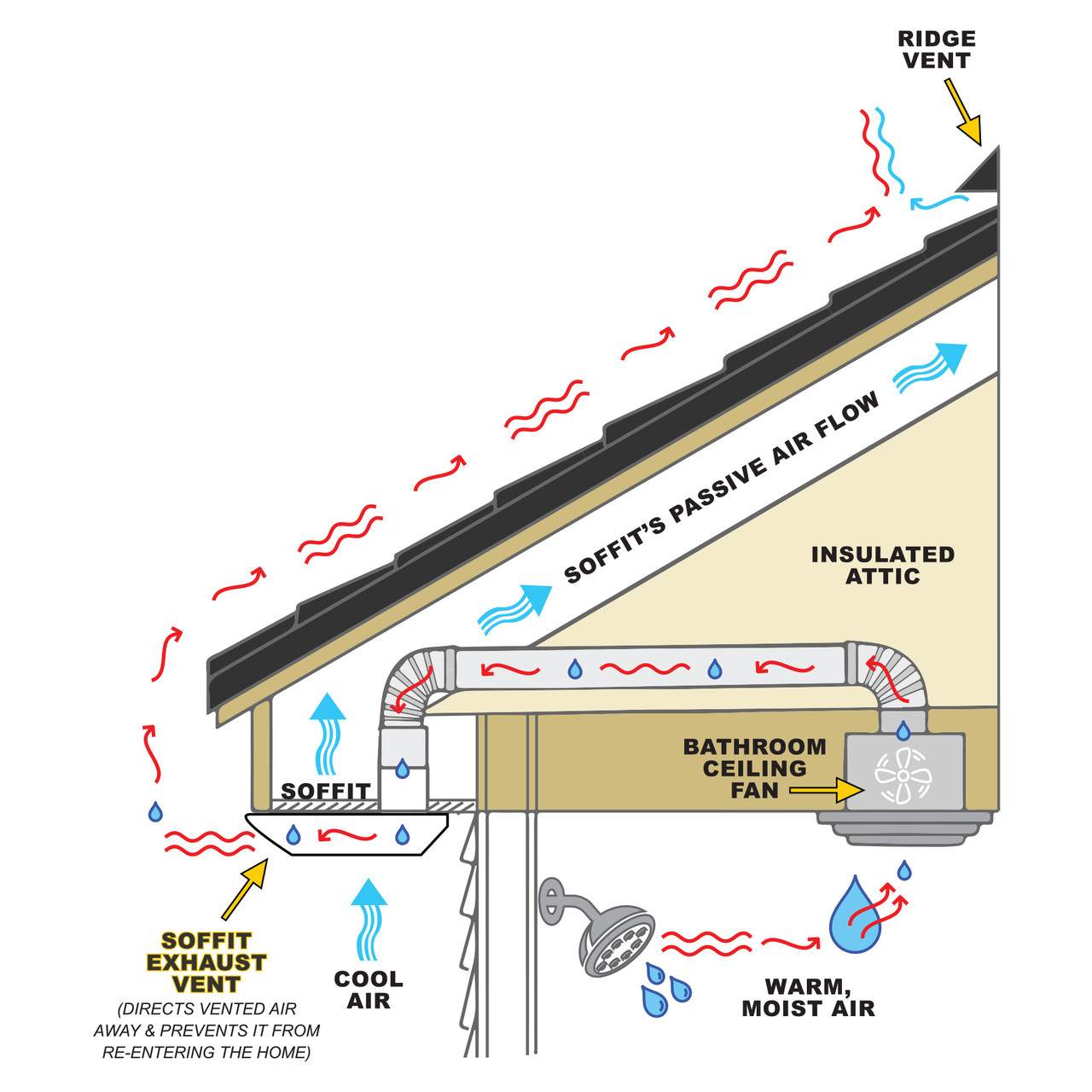
Soffit vents are part of the home’s ventilation system.
The role of soffit ventilation
Proper soffit vents:
Allow fresh air to enter the attic
Work with ridge or roof vents to create airflow
Help regulate attic temperature
Allow moisture to escape
This continuous airflow protects roofing materials and the structure beneath them.
Why Ventilation Matters More in the Midwest
Ventilation demands are higher in Midwest climates.
Quad Cities environmental factors
Local homes must manage:
High summer humidity
Winter condensation from warm indoor air
Freeze-thaw cycles
Snow and ice accumulation
Without ventilation, moisture builds up year-round.
How Soffit Vents Become Blocked
Most blockages aren’t intentional.
Common causes of blocked soffit vents
Soffit vents are often obstructed by:
Paint buildup over vent holes
Insulation pushed tight against vents
Dust, debris, or insect nests
Improper siding or fascia installation
Ice formation during winter
Even partial blockage can disrupt airflow.
Why Blocked Soffits Trap Moisture
When intake air is restricted, ventilation fails.
What happens without airflow
Blocked soffits cause:
Warm, moist air to linger in the attic
Condensation on roof decking
Slow drying after rain or snowmelt
Elevated humidity inside wall cavities
Over time, moisture damage spreads.
Attic Moisture Is Often the First Warning Sign
Problems often start above the ceiling.
Signs of attic moisture buildup
Homeowners may notice:
Damp or compressed attic insulation
Frost on nails or decking in winter
Musty odors near attic access points
Darkened roof sheathing
These are strong indicators of ventilation failure.
How Blocked Soffits Affect Roof Lifespan
Moisture directly impacts roofing materials.
Roof-related consequences
Trapped moisture can:
Accelerate shingle aging
Weaken roof decking
Reduce fastener holding power
Increase risk of mold
Roofs with ventilation issues often fail earlier than expected.
Why Soffit Vent Issues Affect Siding and Trim
Moisture doesn’t stay in the attic.
Downstream effects
When moisture builds up:
Fascia boards stay damp
Trim paint peels prematurely
Siding near eaves deteriorates
Wood components soften or rot
These issues often appear along roof edges.
Winter Makes Vent Blockages More Dangerous
Cold weather amplifies ventilation problems.
Winter-specific risks
In winter:
Warm air rises into the attic
Moisture condenses on cold surfaces
Ice forms inside vents
Drying time increases
This can lead to ice dams and interior moisture damage.
Why Homeowners Rarely Notice Soffit Problems
Soffits are out of sight—and often out of mind.
Why issues go unnoticed
Vents are small and hard to see
Damage develops slowly
Symptoms appear inside first
Exterior soffits may look intact
By the time problems are visible, moisture damage may already exist.
How Professional Inspections Identify Soffit Issues
Ventilation problems require trained evaluation.
What inspectors assess
A proper inspection includes:
Visual soffit vent inspection
Checking for paint or debris blockage
Evaluating attic airflow patterns
Inspecting insulation placement
Looking for moisture indicators
This helps determine whether ventilation is functioning as designed.
Why Local Experience Matters With Ventilation
Ventilation solutions vary by region.
A local contractor understands:
Quad Cities humidity levels
Seasonal airflow demands
Common soffit installation issues in local homes
That experience leads to accurate recommendations—not generic fixes.
When Homeowners Should Schedule a Ventilation Inspection
Soffit vent inspections are recommended if:
Attic feels damp or musty
Ice dams form regularly
Roof or siding shows premature wear
Cooling or heating costs rise unexpectedly
Early detection helps prevent structural damage.
Ventilation Problems Don’t Fix Themselves
Blocked soffit vents quietly trap moisture year after year. Without correction, that moisture affects the roof, siding, insulation, and even indoor comfort. Addressing ventilation early protects the entire exterior system.
Schedule a Free Roof & Ventilation Inspection
If you’re concerned about attic moisture, blocked soffit vents, or unexplained exterior wear, a professional inspection can help identify ventilation issues before they cause costly damage. Twin Bridge Roofing & Construction is a licensed and insured roofing & siding contractor serving the Quad Cities, offering free, no-obligation inspections to evaluate soffit ventilation, roof performance, and exterior moisture risks.
📞 Call or text 309-948-4126
🌐 Visit roofqc.com to schedule your inspection online
