The Clinton Homeowner's Guide to Storm-Ready Siding
Storm-ready siding for a Clinton home means impact-resistant materials, correctly fastened panels, and sealed seams that can handle the wind and hail rolling off the Mississippi River — and the best time to address all three is before storm season, not after a panel is already on the ground. Clinton's riverside location means homes here take a different kind of beating than inland Quad Cities neighborhoods, and siding that isn't prepared for it fails faster and costs more to fix.
Why Clinton Homes Face Tougher Siding Conditions
Clinton sits right on the Mississippi River, and that river valley acts like a wind funnel during spring and summer storm systems moving through Iowa and Illinois. Homes here regularly see higher sustained wind speeds and more direct hail impact than homes set back from the river, especially in neighborhoods close to the bluffs or open along the water.
That combination of wind and hail is exactly what siding manufacturers test against, and it's exactly what older or lower-grade siding wasn't built to handle. If your siding is original to a home built before the early 2000s, there's a good chance it predates the impact-resistance standards common today.
What Makes Siding Actually Storm-Ready?
Three things determine how well siding holds up in a Clinton storm: the material's impact rating, how it was fastened, and whether the seams and trim were sealed correctly. Vinyl siding rated for higher wind zones (look for a rating of 110 mph or higher) will resist cracking and blow-off far better than standard-grade vinyl. Fiber cement and engineered wood siding tend to handle hail impact better than vinyl but need properly sealed joints to keep water out.
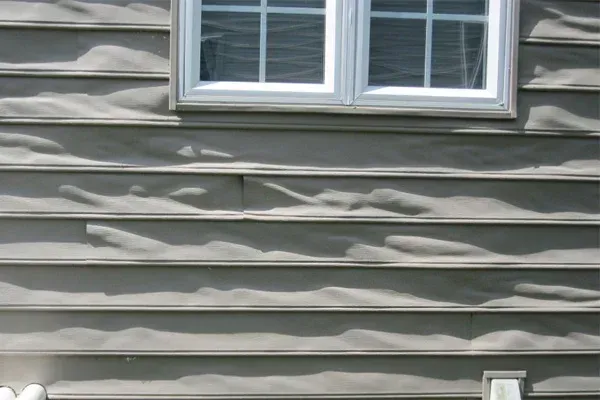
Fastening matters just as much as material. Siding that's nailed too tightly can't expand and contract with temperature swings, which leads to buckling — and buckled siding is far more likely to catch wind and tear loose. Siding fastened too loosely rattles loose in high winds before a storm ever produces hail. Getting the reveal and nail spacing right is a detail that separates a storm-ready installation from one that just looks fine until the first bad storm.
What Should Clinton Homeowners Check Before Storm Season?
A pre-season walk-around catches most of the problems before they become expensive ones. Look for panels that have started to buckle, warp, or pull away from the wall, gaps or cracks around window and door trim where wind-driven rain can get behind the siding, and any soft or discolored spots that could mean moisture has already gotten in. Check that all siding is still securely fastened, especially on the side of the house that faces the river or gets the most direct wind.
If your siding is more than 15-20 years old, or you can't remember the last time it was inspected, it's worth having a professional look before storm season rather than after. A twenty-minute inspection now is a lot cheaper than an emergency tarp-and-repair call during storm season.
What to Do If Your Siding Is Already Damaged
If a storm has already come through and you're seeing cracked panels, dents from hail, or sections that pulled loose, don't wait to have it looked at — exposed sheathing and house wrap deteriorate fast once they're exposed to weather. Take photos of the damage as soon as it's safe to do so, both for your records and for any insurance claim you may need to file.
Twin Bridge offers free storm damage inspections for Clinton homeowners, and we'll give you a straight answer about whether you're looking at a spot repair or a full re-side. We never suggest inflating a claim or exaggerating damage to a carrier — we document what's actually there and let that drive the recommendation.
How Twin Bridge Helps Clinton Homeowners Get Storm-Ready
We install and repair siding throughout Clinton and the surrounding river communities, and we know which products and installation details actually hold up to river-valley wind and hail. Whether you need a full replacement with a higher wind-rated material or a targeted repair before storm season, we'll walk your property with you, point out the specific risk areas on your home, and give you options at different price points.
How much does storm-ready siding cost compared to standard siding?
Higher wind-rated vinyl typically costs somewhat more per square than standard-grade vinyl, and impact-resistant fiber cement costs more than either. The difference is usually smaller than homeowners expect, especially when weighed against the cost of repeated storm repairs on lower-grade material.
Does homeowners insurance cover storm-damaged siding?
In most cases, wind and hail damage to siding is covered under a standard homeowners policy, subject to your deductible and the specifics of your coverage. We can walk you through what an adjuster will typically look for during a siding claim.
How long does a siding replacement take?
Most single-family homes in Clinton can be fully re-sided in about a week, weather permitting. A targeted repair to a damaged section can often be completed in a day.
Can I just replace the damaged panels instead of the whole side of the house?
Sometimes, if the siding is a common profile and color that's still available and the damage is limited to a small area. Older or discontinued siding colors often can't be perfectly matched, which is something we'll flag before you decide between a spot repair and a fuller replacement.
If you're in Clinton and want your siding ready before the next storm rolls up the river, schedule a free inspection with Twin Bridge Roofing & Construction or call (309) 948-4126. Done Right. Done Forever.
