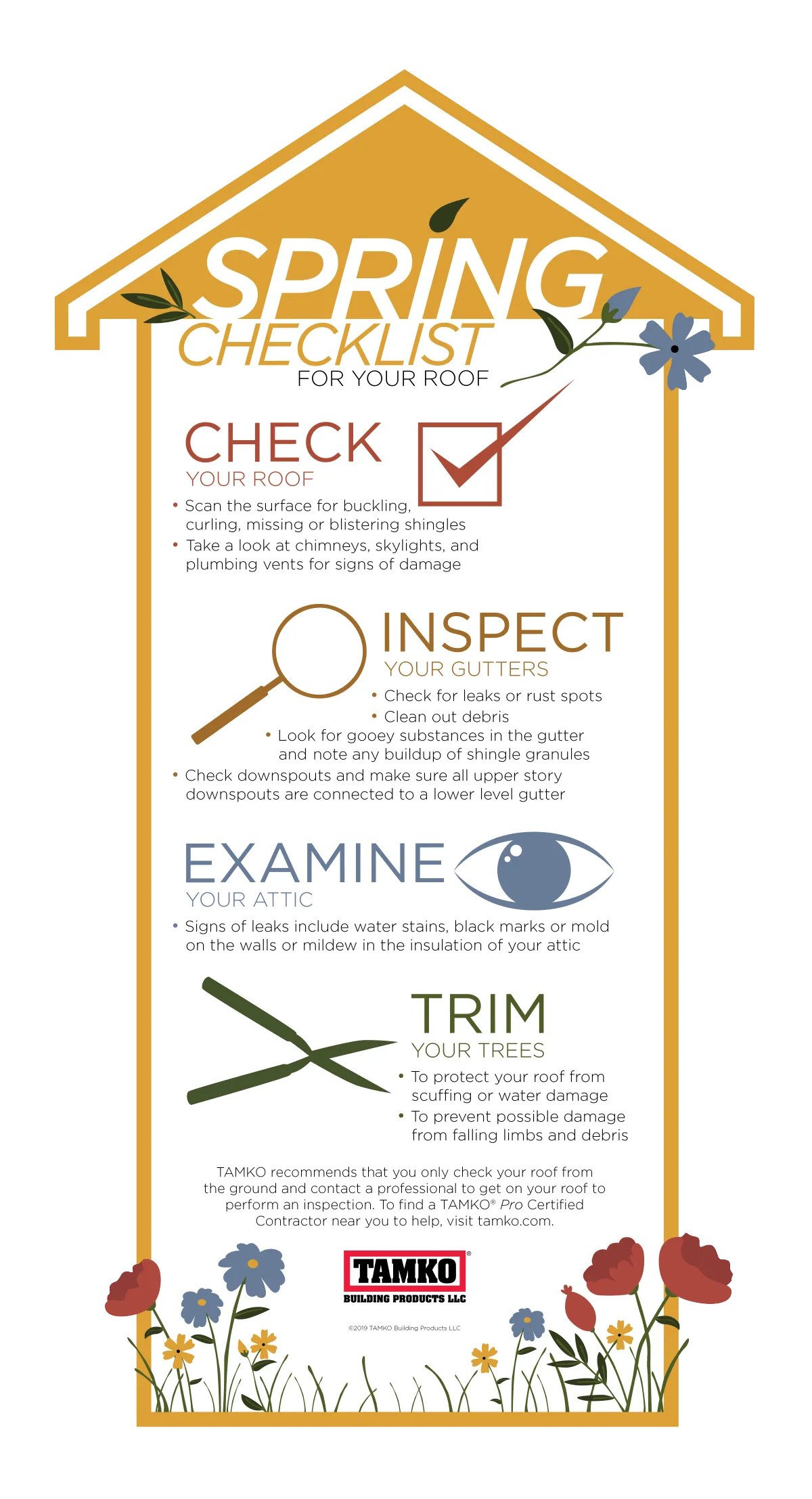
Early-Spring Exterior Maintenance Every Quad Cities Home Needs
Early-Spring Exterior Maintenance Every Quad Cities Home Needs
Spring in the Quad Cities is a reset button for your home’s exterior—but it’s also when winter damage finally shows itself. After months of snow, ice, wind, and freeze-thaw cycles, small exterior issues can quickly turn into leaks, rot, or costly repairs once spring rain and storms arrive.
For homeowners in Rock Island, Moline, Davenport, Bettendorf, and Milan, early-spring maintenance isn’t about cosmetics—it’s about preventing damage before the next Midwest storm cycle hits. This guide walks through the most important exterior checks to make now, while problems are still manageable.
Why Spring Is the Most Important Maintenance Season
Midwest winters are hard on homes, but the damage often stays hidden until temperatures rise.
What winter does to exterior systems
Over the course of winter, homes experience:
Freeze-thaw expansion that opens small gaps
Ice buildup along roof edges and gutters
Wind stress that loosens shingles and siding
Snow melt that tests drainage paths
Spring rain is what exposes these weak points. Addressing issues early can prevent interior water damage and extend the life of your roof and siding.
Start With Roof Edges and Eaves
Roof edges are one of the most common failure points after winter.
What to look for from the ground
Homeowners should visually check for:
Shingle edges lifting or curling
Drip edge pulling away from fascia
Gutters sagging or separating
Fascia boards showing discoloration or rot
These areas take the most abuse from ice dams, wind uplift, and overflowing gutters.
Why roof edges matter
When roof edges fail, water can:
Back up under shingles
Saturate roof decking
Run behind siding
Enter soffit and attic areas
Catching edge issues early often prevents leaks from forming later in spring.
Gutters and Downspouts: Don’t Skip This Step
Gutters are a simple system with a big job—moving water safely away from your home.
Spring gutter checklist
Remove leaves and debris
Check for standing water
Inspect seams and end caps for drips
Make sure fasteners are secure
Downspout discharge is just as important
Downspouts should extend water away from the foundation. When water dumps next to the house, it increases the risk of:
Basement moisture
Foundation stress
Siding saturation
Erosion around landscaping
Spring rain is relentless in the Midwest, so drainage needs to be right.
Flashing and Penetrations: The Most Common Leak Sources
Flashing protects the roof where materials meet—and it’s often where leaks start.
High-risk flashing areas
Chimneys
Roof-to-wall intersections
Plumbing vents
Valleys
Skylights
Metal flashing and sealants expand and contract differently than shingles. After winter movement, small separations can allow water in during wind-driven rain.
Siding Seams, Trim, and Caulk Lines
Siding systems are designed to move, but movement should be controlled.
Signs siding needs attention
Panels that appear wavy or uneven
Loose or rattling sections in wind
Cracked or missing caulk around windows and doors
Trim boards pulling away or feeling soft
Why spring rain is the test
After winter contraction, spring rain is often the first time moisture finds these gaps. Once water gets behind siding, it can remain trapped—leading to rot, mold, or insulation damage.
Attic and Ventilation Clues Homeowners Miss
Many exterior problems first show symptoms inside the attic.
What to watch for
Musty odors near ceilings
Darkened roof decking
Rust on nails or fasteners
Uneven temperatures in upper rooms
Poor ventilation can shorten roof life, contribute to ice dams, and increase energy costs.
Trees, Branches, and Debris Around the Home
Winter weakens branches, and spring wind finishes the job.
Why trimming matters
Overhanging branches can:
Scrape shingles
Dent siding and gutters
Damage flashing
Drop debris into roof valleys
Keeping branches trimmed back reduces storm damage risk and improves roof drainage.
Why Small Problems Escalate Fast in the Midwest
In regions with mild climates, minor issues may stay minor. In Illinois and Iowa, they rarely do.
The common escalation pattern
Small gap or loosened component
Wind-driven rain enters
Freeze-thaw expands the opening
Moisture spreads into structural materials
Interior damage finally appears
By the time stains or leaks are visible inside, repairs are often more extensive.
When a Professional Inspection Makes Sense
Seasonal homeowner checks are valuable, but they don’t replace a professional evaluation.
A professional inspection can identify
Hidden moisture intrusion
Early flashing failures
Wind or storm-related damage
Ventilation issues affecting roof lifespan
The goal is awareness and prevention—not pressure.
Local Experience Matters
Midwest homes face unique challenges. A local contractor understands:
How Quad Cities storms behave
Common failure points on local home styles
How seasonal weather impacts repairs
That experience helps protect your home long-term.
Schedule a Free Spring Exterior Inspection
If you want peace of mind heading into spring and summer storm season, a professional inspection is a smart move. Twin Bridge Roofing & Construction is a licensed and insured roofing & siding contractor serving the Quad Cities, offering free, no-obligation exterior inspections to help homeowners catch issues early.
📞 Call or text 309-948-4126 to schedule your free inspection
🌐 Visit roofqc.com to request an appointment online
