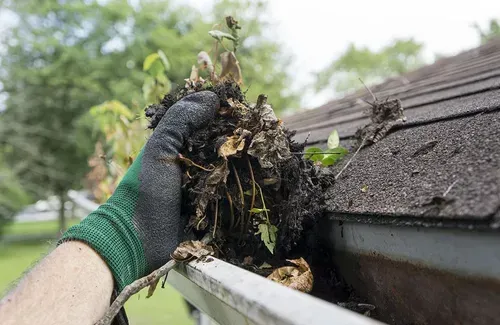
The Fall Roof Maintenance Checklist Every Quad Cities Homeowner Needs
The best time to prep your roof for fall in the Quad Cities is mid-September through early October — before the first hard frost but after the worst of summer's heat has passed. A 30-minute walk-around checklist covering gutters, flashing, shingles, and attic ventilation can catch small problems before winter turns them into leaks, ice dams, or a surprise roof replacement.
Quad Cities homeowners get a narrow window each fall to do this right. Wait too long and you're doing roof work in freezing temps with crews backed up on storm repairs. Do it early, and you head into winter knowing your roof can handle it. Here's exactly what to check.
Why Does Fall Maintenance Matter So Much in the Quad Cities?
Illinois and Iowa winters swing hard — heavy wet snow, freeze-thaw cycles, and ice dams are routine here, not rare events. A roof that goes into November with clogged gutters, loose shingles, or gaps in flashing is a roof that's far more likely to leak by February. Fall is also your last real chance to get a contractor out for non-emergency work before storm and snow season fills up every schedule in the region.
What Should Be on Your Fall Roof Checklist?
1. Clean and Inspect the Gutters
Clogged gutters are the single most common cause of winter roof damage we see. Leaves and debris trap water against the roof edge, which freezes and backs up under shingles. Clear gutters and downspouts completely, then check for sagging sections, loose hangers, or separated seams while you're up there (or have a pro do it — ladders and wet leaves are a bad combination).
2. Check Flashing Around Roof Penetrations
Flashing around chimneys, vent pipes, and skylights is where most leaks actually start — not in the open field of the roof. Look for lifted edges, cracked sealant, or rust. If flashing has pulled away from the surface it's sealing, water will find that gap during the first freeze-thaw cycle.
3. Look for Damaged or Missing Shingles
Walk the perimeter of your home and scan the roofline with binoculars, or check from an upstairs window. You're looking for curling edges, cracked shingles, bald spots where granules have worn off, and any shingles that look out of alignment. These are entry points for water once snow starts piling up.
4. Check Attic Ventilation and Insulation
A poorly ventilated attic is a major contributor to ice dams — warm air escaping into the attic melts snow on the roof, which then refreezes at the colder eaves and backs water up under your shingles. Confirm your soffit and ridge vents aren't blocked by insulation, and check that attic insulation meets recommended depth for our climate zone.
5. Trim Overhanging Branches
Ice-laden branches break. When they break over your roof, you're looking at anything from a few missing shingles to a puncture. Trim back branches that hang within 6-10 feet of the roofline before the first ice storm, not after.
6. Schedule a Professional Inspection
DIY checks catch the obvious stuff. A trained eye — especially with a drone inspection — catches the granule loss, soft decking, and early flashing failures that aren't visible from the ground. This is also the point where a small $200 repair gets caught instead of turning into a $2,000 one after a winter of water intrusion.
What Happens If You Skip Fall Maintenance?
The most common outcome we see every spring is water staining on ceilings that traces back to a fall problem nobody caught — a clogged gutter that iced over, a lifted flashing edge, a handful of missing shingles. None of these are dramatic on their own, but a full winter of freeze-thaw cycles turns a minor gap into a real leak. By the time it's visible inside the house, there's usually already been some damage to decking or insulation.
Can You Do This Checklist Yourself?
The gutter cleaning, branch trimming, and visual shingle check are reasonable DIY tasks if you're comfortable on a ladder. Flashing inspection and attic ventilation checks are worth having a professional look at, since problems there aren't always obvious and the fixes matter more. If you're not sure what you're looking at, a free inspection is the safer call than guessing.
Frequently Asked Questions
When exactly should I schedule fall roof maintenance in the Quad Cities?
Mid-September through early October is ideal — early enough to beat contractor backlogs and cold-weather work restrictions, late enough that summer storm repairs have cleared out most crew schedules.
How much does a fall roof inspection cost?
Twin Bridge offers free roof inspections year-round, including ahead of fall. There's no reason to guess at your roof's condition when a professional look costs nothing.
Can gutter guards replace the need for fall gutter cleaning?
Gutter guards reduce debris buildup but don't eliminate maintenance entirely — they still need periodic checks, especially before winter, to confirm nothing has slipped past them or built up on top.
What's the biggest fall maintenance mistake homeowners make?
Waiting too long. Once temperatures drop consistently below 40°F, shingle work becomes riskier (shingles get brittle and don't seal as well), and contractor schedules fill up fast with storm response work.
Ready to head into winter with confidence? Schedule your free roof inspection with Twin Bridge Roofing & Construction today at roofqc.com/contact-us or call (309) 948-4126. Done Right. Done Forever.
