How Gutter Overflow Causes Fascia and Roof Edge Damage in the Quad Cities
How Gutter Overflow Causes Fascia and Roof Edge Damage in the Quad Cities
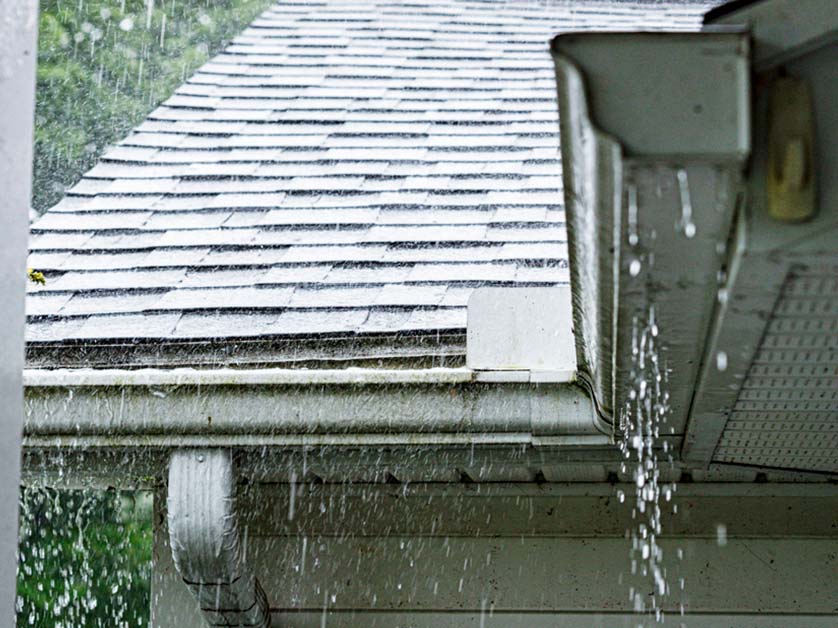
After a heavy rain in the Quad Cities, many homeowners notice water pouring over the edge of their gutters like a waterfall. While this may seem like a drainage issue or a nuisance, repeated gutter overflow can quietly damage the roof edge, fascia, and even the structure beneath.
Homes in Rock Island, Moline, Davenport, Bettendorf, and Milan experience intense spring and summer rainstorms, combined with falling leaves, seed pods, and debris that clog gutter systems. When gutters can’t move water away efficiently, that water turns into a persistent threat to the roofline and exterior of the home.
Understanding how gutter overflow causes damage—and where that damage starts—helps homeowners prevent issues that often go unnoticed until repairs become more extensive.
Why Gutters Are Critical to Roof and Exterior Health
Gutters aren’t just accessories; they’re part of the roof system.
What gutters are designed to do
Properly functioning gutters:
Collect water from roof surfaces
Channel runoff away from fascia and siding
Protect roof edges and foundations
Reduce erosion and moisture buildup
When gutters fail, water goes exactly where it shouldn’t.
How Overflow Happens During Midwest Storms
Overflow doesn’t require a completely blocked gutter.
Common causes of gutter overflow
In the Quad Cities, overflow often occurs due to:
Leaves and organic debris buildup
Shingle granules collecting in gutters
Sudden heavy rainfall exceeding capacity
Improper gutter pitch
Downspouts that can’t drain fast enough
Even partially clogged systems can overflow during intense rain.
Why Roof Edges Take the First Hit
When gutters overflow, water spills backward toward the roof edge.
Roof edge exposure
Overflowing water can:
Run behind the gutter
Saturate fascia boards
Reach roof decking edges
Compromise underlayment at eaves
This area is already vulnerable due to ice dams and freeze-thaw cycles, making overflow especially damaging.
Fascia Damage Often Starts Invisibly
Fascia boards absorb moisture quickly.
How fascia damage develops
Repeated overflow:
Soaks fascia during storms
Prevents proper drying
Softens wood or composite materials
Causes paint failure or rot
Weakens gutter attachment points
By the time damage is visible, structural deterioration may already be underway.
Why Gutter Overflow Leads to Roof Leaks
Overflow doesn’t just affect the exterior.
Leak pathways created by overflow
Water can:
Wick up under shingles at the roof edge
Enter nail penetrations
Bypass flashing at eaves
Saturate underlayment
These leaks often appear during prolonged rain rather than immediately.
Interior Warning Signs of Gutter-Related Damage
Gutter issues often reveal themselves inside the home.
Interior clues to watch for
Homeowners may notice:
Stains near exterior walls or ceilings
Musty odors in upper rooms
Drips near roof edges after heavy rain
Damp attic insulation along eaves
These signs often trace back to gutter overflow.
Why Overflow Problems Get Worse Over Time
Gutter damage compounds quickly.
Escalation pattern
Gutters overflow during storms
Fascia absorbs moisture repeatedly
Gutter fasteners loosen
Overflow increases
Roof edge damage spreads
What starts as a drainage issue can become a roof repair problem.
Why Midwest Weather Makes This a Bigger Issue
Quad Cities weather intensifies gutter stress.
Regional factors
Local homes face:
Heavy spring rain
Summer downpours
Leaf buildup in fall
Ice formation at roof edges in winter
Gutter systems must handle year-round stress.
How Professional Inspections Evaluate Gutter-Related Damage
Inspections look beyond visible clogs.
What professionals assess
Gutter pitch and attachment
Fascia condition behind gutters
Signs of roof edge saturation
Downspout capacity and flow
Underlayment condition near eaves
This approach identifies hidden damage early.
Why Cleaning Alone Isn’t Always Enough
Gutter cleaning is important—but not always sufficient.
When cleaning doesn’t solve the problem
Gutters may be undersized
Pitch may be incorrect
Fascia damage may already exist
Roof edge flashing may be compromised
Addressing the root cause prevents repeat issues.
When Homeowners Should Schedule an Inspection
A gutter and roof edge inspection is recommended if:
Water spills over gutters during rain
Fascia paint is peeling or soft
Gutters pull away from the house
Interior moisture appears near roof edges
Early evaluation limits repair scope.
Gutter Overflow Is a Roof Problem, Too
Many homeowners treat gutters as separate from roofing, but overflow directly affects roof edges and structural components. Protecting your gutters protects your roof.
Schedule a Free Roof & Gutter Inspection
If your gutters overflow during heavy rain or you’re concerned about fascia or roof edge damage, a professional inspection can help catch problems early. Twin Bridge Roofing & Construction is a licensed and insured roofing & siding contractor serving the Quad Cities, offering free, no-obligation inspections to evaluate gutters, roof edges, and exterior drainage issues.
📞 Call or text 309-948-4126
🌐 Visit roofqc.com to schedule your inspection online
