Hail Damage Isn’t Always Obvious: What Quad Cities Homeowners Should Look For After a Storm
Hail Damage Isn’t Always Obvious: What Quad Cities Homeowners Should Look For After a Storm
In the Midwest, hail can show up fast and leave just as quickly. One minute it’s raining in Davenport or Milan; the next, the yard is covered in ice pellets and your phone is buzzing with storm alerts. Afterward, homeowners often step outside, look around, and think: “Seems fine.”
But hail damage doesn’t always look dramatic. In fact, some of the most expensive hail-related problems start with subtle roof bruising or tiny cracks that are easy to miss from the ground.
Why Hail Damage Can Be Hard to Spot
Hail impacts different materials in different ways. A roof can look “normal” from the street but still have compromised shingles.
The difference between visible and functional damage
Hail may:
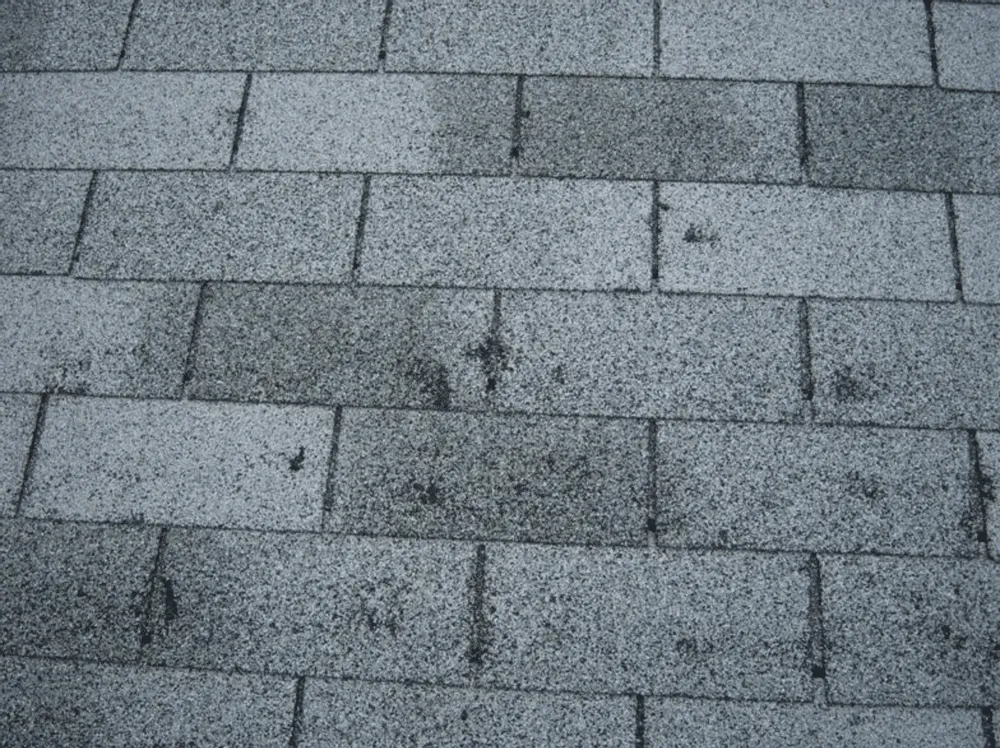
Knock granules off shingles
Bruise the mat beneath the shingle surface
Crack fiberglass layers
Dent soft metals like vents, flashing, and gutters
Even if you don’t see missing shingles, your roof may no longer shed water properly over time.
What Hail Does to Asphalt Shingles
Asphalt shingles are designed to take a beating, but hail can shorten their lifespan—especially if the roof is already aging.
Granule loss
Granules protect shingles from UV damage. Hail can dislodge them, exposing the asphalt layer underneath. Over time that leads to:
Faster deterioration
Brittleness
Cracking
Higher risk of leaks
Bruising and mat damage
A “bruise” is damage below the surface. You might not see it unless you’re on the roof. Bruised shingles can later develop:
Splits during temperature swings
Water intrusion during heavy rains
Premature shingle failure
Hail Can Damage More Than the Roof
Homeowners often focus only on shingles, but hail can hit the entire exterior.
Common non-roof hail damage
Dented gutters and downspouts
Damaged window screens or frames
Cracked vinyl siding panels
Dented fascia and metal trim
Roof vents with broken caps
These items matter—especially for preventing water issues.
The Midwest Timing Problem: “It Didn’t Leak Right Away”
Hail damage often becomes a problem weeks or months later.
Why leaks can be delayed
After hail:
Shingles may still shed light rain
Small cracks can open during freeze/thaw or hot days
Wind-driven rain can exploit tiny weak points
Spring storms can push water under compromised edges
That’s why a post-storm inspection is valuable even when your ceilings look fine.
What Homeowners Can Check Safely From the Ground
You don’t need to climb on the roof to gather useful clues.
Quick visual checks
Look for granules collecting at downspout exits
Check gutters for dents or “peppering”
Inspect siding for cracks or chipped corners
Look for damaged window screens
Scan roof slopes for odd discoloration or uneven texture
If you see damage to gutters or screens, it’s a strong indicator the roof took hits too.
Documentation Matters for Storm Events
If you suspect hail, getting it documented early is smart—even if you aren’t sure you’ll file a claim.
Helpful documentation includes
Date/time of the storm
Photos of hail size (coins help)
Photos of dents on gutters/vents
Notes on any interior changes (stains, drips, odors)
A professional inspection can add clarity: what’s normal wear vs storm-related impact.
Why Local Storm Inspections Make a Difference
Quad Cities storms don’t behave like storms elsewhere. Wind direction, ice, and sudden temperature drops all affect how damage occurs. A local contractor knows what to look for—and where damage commonly hides on regional home styles.
Schedule a Free Storm Damage Inspection
If hail came through your neighborhood—even briefly—an inspection can confirm whether your roof or exterior took damage. Twin Bridge Roofing & Construction is a licensed and insured contractor serving the Quad Cities, and we offer free, no-obligation storm damage inspections to help you understand what happened and what your options are.
📞 Call or text 309-948-4126 or visit roofqc.com to schedule your free inspection.
