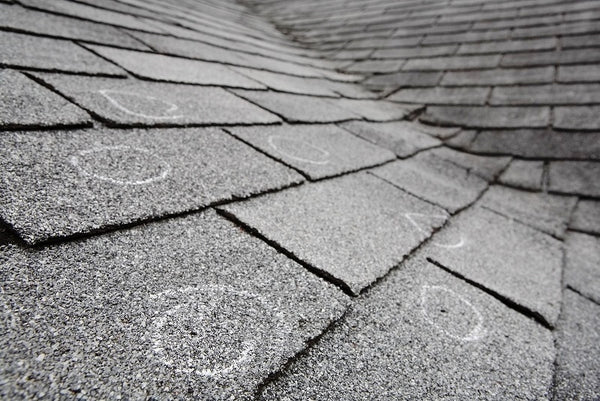
How Hail Season Works in the Quad Cities: When Storms Hit and What They Cost
Hail season in the Quad Cities typically runs from April through September, with the highest storm frequency in May, June, and July, and repair costs ranging from a few hundred dollars for minor shingle bruising to $15,000 or more for a full roof replacement after a severe hailstorm. Knowing when storms are most likely to hit — and what they tend to cost — helps Quad Cities homeowners prepare their roof, their insurance paperwork, and their budget before the next system rolls through.
When Does Hail Season Start and End in the Quad Cities?
Hail season in Illinois and Iowa generally kicks off in April as warm, moist air from the Gulf collides with cooler air still lingering over the Midwest. That collision is exactly the kind of atmospheric instability that produces severe thunderstorms and hail. The season builds through late spring, peaks in June, and tapers off by early fall as temperatures cool and storm systems weaken. While hail can technically fall in any month, the Quad Cities' most damaging storms — the ones that generate baseball-sized hail and straight-line winds — almost always land between May and August.
What Makes Spring and Summer Storms So Damaging Here?
The Quad Cities sits in a corridor where cold fronts from the north regularly meet warm, humid air pushing up from the south. That clash fuels supercell thunderstorms capable of producing large hail, heavy rain, and damaging wind gusts in a short window. Rock Island, Henry, Mercer, Whiteside, Scott, Muscatine, and Cedar counties all sit inside this active storm track, which is why our team fields a steady stream of storm-damage inspection requests every spring and summer. Even a fast-moving 20-minute storm can leave behind enough hail impact to compromise a roof's ability to shed water for years to come.
How Much Does Hail Damage Typically Cost to Repair?
Cost depends almost entirely on hail size and how long the storm sat over your property. Small hail (under an inch) often causes cosmetic granule loss that may not require immediate repair, though it should still be inspected. Quarter- to golf-ball-sized hail is where most claims start, with repair costs commonly landing between $1,500 and $6,000 depending on how much of the roof is affected. Once hail reaches golf-ball size or larger, full roof replacement becomes the more common outcome, and Quad Cities homeowners typically see replacement costs between $9,000 and $18,000 depending on roof size, pitch, and material. Siding, gutters, and window screens often take damage in the same storm, which is why a full exterior inspection — not just a roof check — is worth doing after any significant hail event.
How Can You Prepare Your Roof Before Hail Season Hits?
The best preparation happens before the first spring storm arrives. A pre-season roof inspection catches loose shingles, worn flashing, and ventilation issues that make a roof more vulnerable to hail and wind damage. It's also smart to photograph your roof and exterior now, so you have a clear "before" reference if a claim becomes necessary later. Homeowners with roofs older than 15 years should pay particularly close attention — aging shingles lose the flexibility that helps them absorb hail impact without cracking.
What Should You Do Immediately After a Hailstorm?
Stay off the roof and skip the ladder — hail damage is often only visible up close, and it's not worth the fall risk to check it yourself. Instead, document any damage you can safely see from the ground (dented gutters, damaged siding, debris in the yard) and call for a professional inspection within a few days of the storm. Insurance companies typically require documentation of the damage tied to a specific storm date, so a prompt inspection strengthens your claim and gets repairs moving faster before the next round of weather.
Does homeowners insurance cover hail damage?
Most standard homeowners insurance policies in Illinois and Iowa cover hail damage to the roof, siding, and gutters, since hail is a sudden, weather-related event rather than gradual wear. Coverage details and deductibles vary by policy, so it's worth reviewing your specific declarations page or asking your agent directly.
How do I know if my roof has hail damage?
Ground-level clues include dented gutters and downspouts, dings on window screens or AC units, and granules collecting in gutters or at the base of downspouts. The most reliable way to confirm roof-level damage is a professional inspection, since hail bruising on shingles often isn't visible from the ground.
Will one hailstorm total my roof?
It depends on hail size and storm duration. A short burst of small hail may cause only minor, repairable damage, while a sustained storm with golf-ball-sized hail or larger frequently causes enough widespread damage that full replacement is the more practical and cost-effective outcome.
Should I file a claim for minor hail damage?
It's worth getting an inspection first. Some minor granule loss doesn't warrant a claim, but hidden bruising can shorten a roof's lifespan even when it looks fine from the ground. A professional assessment gives you the information to make that call instead of guessing.
If a recent storm has you wondering what shape your roof is in, Twin Bridge Roofing & Construction offers free inspections across the Quad Cities. Schedule your free inspection or call us at (563) 655-4902 — Done Right. Done Forever.
