Hail vs Wind: Which Causes More Long-Term Roof Damage in the Quad Cities?
Hail vs Wind: Which Causes More Long-Term Roof Damage in the Quad Cities?
When storms move through the Quad Cities, homeowners often focus on hail. The sound is unmistakable, the impact feels aggressive, and the damage seems obvious. Wind, on the other hand, is quieter and easier to dismiss—especially when no shingles end up in the yard.
But in Midwest weather, the real question isn’t which storm looks worse. It’s which one causes long-term damage that shortens roof life and leads to costly repairs later. The answer depends on how each force interacts with your roof system.
Understanding the difference between hail and wind damage helps homeowners in Rock Island, Moline, Davenport, Bettendorf, and Milan make smarter decisions after storms.
How Hail Damages a Roof
Hail causes impact damage, and its effects depend on size, density, and wind speed.
What hail does on contact
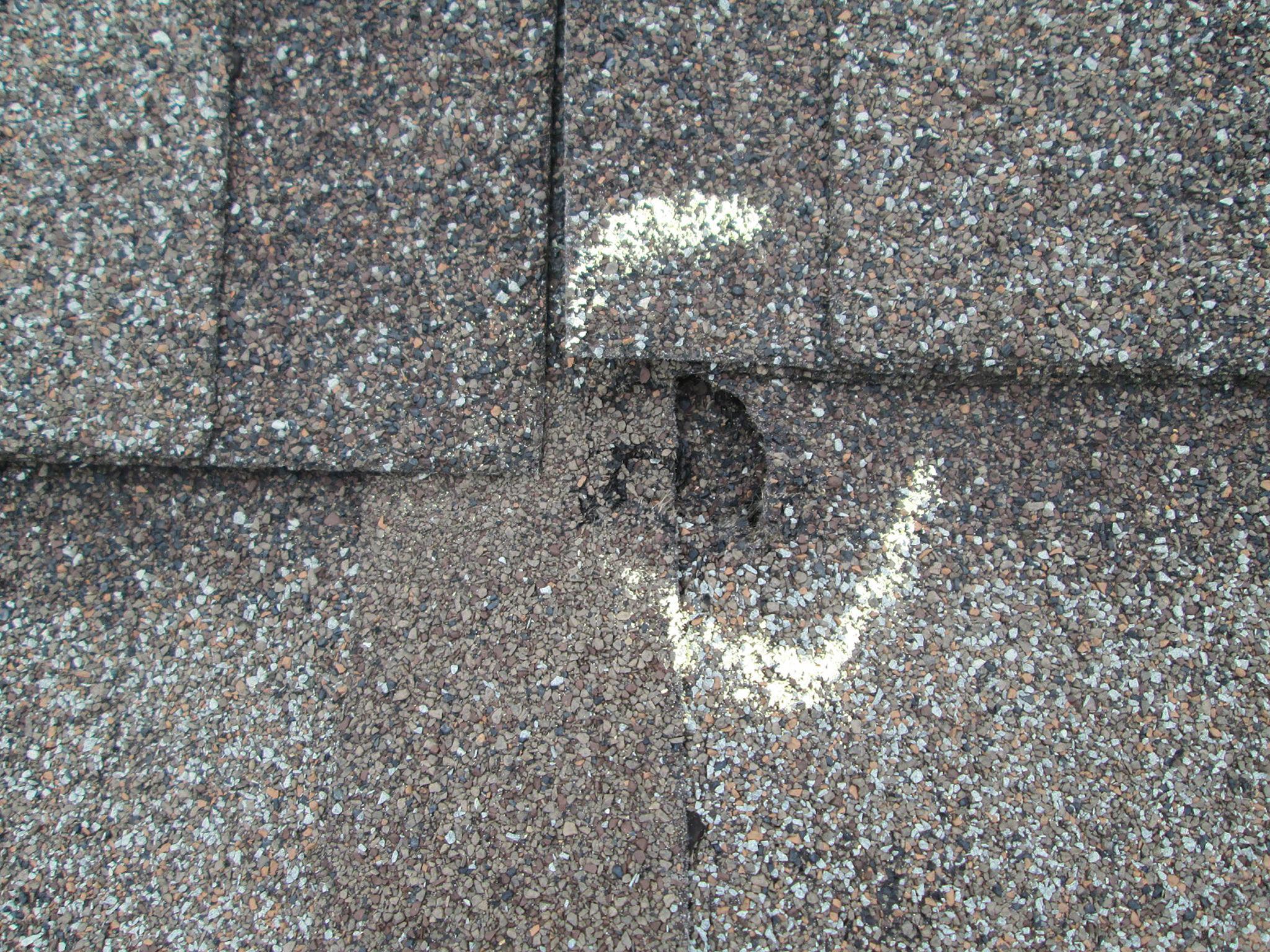
When hail strikes asphalt shingles, it can:
Knock protective granules loose
Fracture the asphalt mat beneath the surface
Create “bruises” that weaken shingles internally
Crack fiberglass reinforcement
These impacts often don’t cause immediate leaks—but they shorten the roof’s lifespan.
Why hail damage is often underestimated
Hail bruising is frequently invisible from the ground. Shingles may look intact while internal layers are compromised. Over time, those weakened spots:
Dry out faster
Crack during temperature swings
Fail prematurely under normal weather
Hail damage is often a delayed failure, not an instant one.
How Wind Damages a Roof Differently
Wind damage works through repetition and pressure, not impact.
The mechanics of wind damage
Strong winds create uplift that:
Breaks shingle seal strips
Lifts shingle edges repeatedly
Loosens nails and fasteners
Flexes flashing and penetrations
Even if shingles stay in place, their ability to shed water can be reduced.
Why wind damage accumulates
One wind event may not cause visible problems. But repeated Midwest wind advisories gradually weaken the roof system, making it more vulnerable to future storms.
Which One Causes More Long-Term Damage?
The answer depends on storm patterns and roof condition.
Hail tends to:
Cause sudden, localized damage
Reduce shingle lifespan dramatically
Create claim-worthy events tied to specific dates
Wind tends to:
Cause widespread, gradual system weakening
Lead to recurring leaks
Shorten roof life without obvious signs
In the Quad Cities, many roofs experience both, which compounds the damage.
Why Midwest Roofs Are Especially Vulnerable
Illinois and Iowa weather adds unique stress.
Regional factors include
Freeze-thaw cycles that exploit weakened shingles
Wind-driven rain that pushes water under lifted edges
Snow and ice buildup that tests compromised areas
Summer heat that accelerates aging after storm damage
A roof damaged by hail or wind often fails faster in Midwest conditions than it would in milder climates.
Damage Beyond the Shingles
Storm damage doesn’t stop at the roofing surface.
Other commonly affected components
Gutters and downspouts
Roof vents and pipe boots
Flashing at chimneys and walls
Siding panels and trim
Window screens and soft metals
Damage to these areas often supports storm documentation even when shingles appear “fine.”
Why Homeowners Miss Storm Damage
Many homeowners assume no damage exists because:
There are no leaks
Shingles aren’t missing
Ceilings look dry
Unfortunately, storm damage often shows up later, once rain or temperature changes exploit weakened areas.
What Homeowners Can Check Safely
You don’t need to climb on the roof to gather useful clues.
After a storm, look for:
Granules collecting near downspouts
Dents in gutters or metal vents
Cracked siding panels
Damaged window screens
New interior stains or musty odors
These signs often indicate broader exterior damage.
Why Early Inspections Matter
Even if you’re unsure about filing an insurance claim, early inspections help:
Document storm impact
Establish a timeline
Prevent worsening damage
Protect future claim options
Waiting until leaks appear often leads to larger repairs and fewer options.
The Value of Local Storm Experience
Storm behavior varies by region. Local contractors understand:
Typical hail sizes in the Quad Cities
Wind patterns that cause uplift damage
Common failure points on local home designs
That experience leads to more accurate evaluations.
Schedule a Free Storm Damage Inspection
If your home experienced hail, strong winds, or both, a professional inspection can reveal damage before it turns into leaks or structural issues. Twin Bridge Roofing & Construction is a licensed and insured roofing & siding contractor serving the Quad Cities, offering free, no-obligation storm damage inspections for local homeowners.
📞 Call or text 309-948-4126 to schedule your inspection
🌐 Visit roofqc.com to request an appointment online
