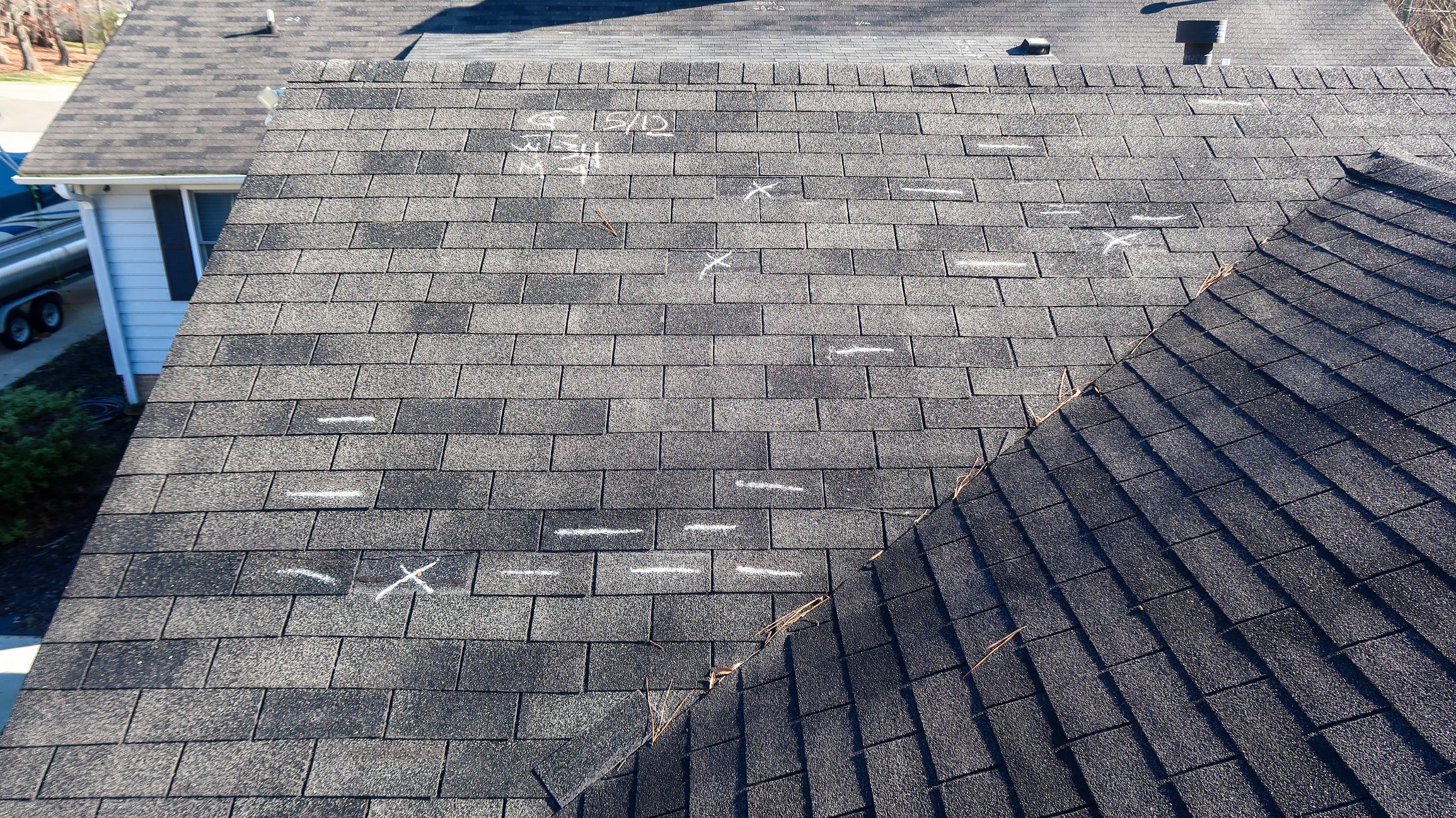
What Happens to Your Roof After a Wind Advisory — Even If Nothing Blew Off
What Happens to Your Roof After a Wind Advisory — Even If Nothing Blew Off
When strong winds move through the Quad Cities, many homeowners step outside afterward, scan the yard for debris, and look up at the roof. If no shingles are missing and nothing looks out of place, the assumption is usually the same: we got lucky.
But in Midwest weather, wind damage doesn’t always announce itself right away. In fact, some of the most expensive roof and siding problems begin after wind advisories where nothing visibly blew off.
For homeowners in Rock Island, Moline, Davenport, Bettendorf, and Milan, understanding how wind affects roofing systems helps explain why issues often appear weeks or even months later.
Why Wind Is More Damaging Than It Looks
Wind doesn’t need to rip shingles off to cause damage. What makes Midwest wind dangerous is uplift pressure combined with rapid changes in direction.
How wind actually stresses a roof
When wind hits a roof surface, it creates:
Upward lift at shingle edges
Pressure changes along ridges and eaves
Suction near corners and roof edges
Each gust slightly flexes shingles and fasteners. One storm may not cause a failure, but repeated events weaken the system over time.
The Silent Damage: Broken Seal Strips
Modern asphalt shingles rely on adhesive seal strips to stay locked down.
What wind does to seal strips
Strong winds can:
Break adhesive bonds
Loosen shingle tabs
Allow repeated lifting and settling
Once seal strips fail, shingles may still sit flat—but they are far more vulnerable to future storms and wind-driven rain.
This type of damage is invisible from the ground and often missed by homeowners.
Why Shingles Don’t Have to Be Missing to Be Compromised
A common misconception is that roof damage equals missing shingles. In reality, many compromised roofs still look intact.
Subtle signs of wind stress
Shingles that no longer lie perfectly flat
Slight edge lifting visible at certain angles
Creases forming near the center of tabs
Granule loss without obvious impact marks
These issues reduce the roof’s ability to shed water effectively, especially during heavy rain.
Wind Damage Often Shows Up Later — Here’s Why
Many homeowners report leaks weeks after a wind event and assume something “new” happened. In reality, the damage usually occurred earlier.
The delayed failure pattern
Wind weakens seal strips and fasteners
Shingles begin lifting slightly during storms
Wind-driven rain is pushed underneath
Moisture slowly works into the roof system
Interior signs finally appear
Because Midwest storms overlap seasonally, the original cause is often overlooked.
Siding Suffers Wind Damage Too
Wind doesn’t stop at the roof. Vinyl and engineered siding systems are also affected.
How wind impacts siding
Strong gusts can:
Push behind siding panels
Pull loose fasteners
Open seams at corners and trim
Create pathways for moisture intrusion
This is especially common on taller walls, gable ends, and homes with open exposure.
Why siding damage matters
Once moisture gets behind siding, it may:
Freeze and expand during cold nights
Break down house wrap
Reduce insulation effectiveness
Lead to rot or mold inside wall cavities
These problems often remain hidden until significant damage occurs.
Why Wind Advisories Matter Even Without a Named Storm
You don’t need a tornado warning or hailstorm for wind damage to occur.
Midwest wind patterns
In Illinois and Iowa, damage often comes from:
Sustained straight-line winds
Cold front passages
Thunderstorm outflow boundaries
Seasonal pressure shifts in spring and fall
These events don’t always make headlines—but they still stress exterior systems.
What Homeowners Can Safely Check After Wind Events
You don’t need to climb on the roof to spot warning signs.
Ground-level checks
Look for shingles that appear uneven or shadowed
Check gutters and downspouts for new dents or looseness
Inspect siding corners and seams for movement
Look for granules collecting near downspouts
Pay attention to new rattling noises during wind
If you notice changes after a wind advisory, it’s worth getting a professional opinion.
Why Documentation Is Important — Even If You’re Unsure
Even if you don’t plan to file an insurance claim immediately, documentation helps.
Why early inspections matter
Establish a damage timeline
Distinguish storm damage from normal aging
Catch issues before water intrusion spreads
Provide clarity if problems worsen later
In many cases, homeowners wait until a leak appears—by then, repairs are more involved.
Local Experience Makes Wind Damage Easier to Identify
Midwest homes have specific vulnerability points based on roof design, exposure, and regional weather patterns. A local contractor knows:
Where wind damage typically starts
How Quad Cities storms behave
What subtle signs matter most
That experience helps identify issues others may overlook.
Schedule a Free Wind Damage Inspection
If your home experienced strong winds recently—even if everything looks “fine”—a professional inspection can reveal hidden issues before they turn into leaks or interior damage. Twin Bridge Roofing & Construction is a licensed and insured roofing & siding contractor serving the Quad Cities, offering free, no-obligation wind damage inspections for local homeowners.
📞 Call or text 309-948-4126 to schedule your inspection
🌐 Visit roofqc.com to request an appointment online
