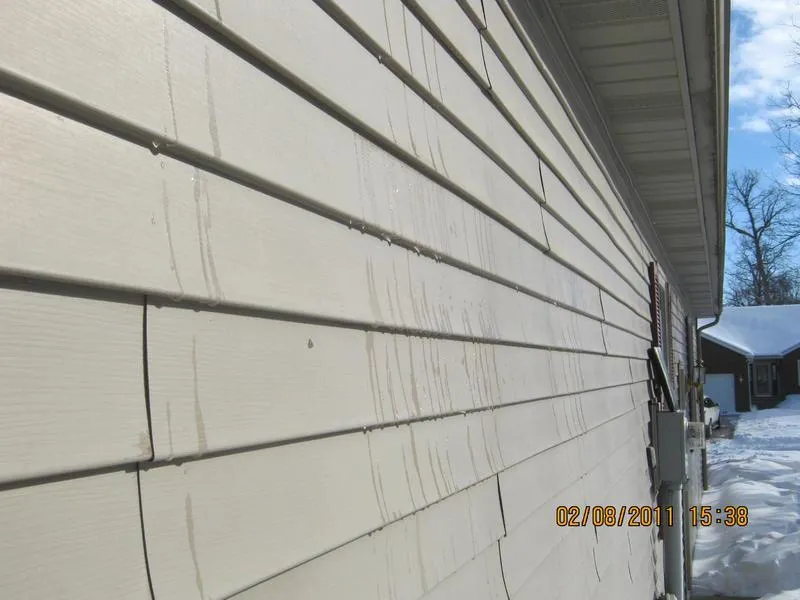
How Moisture Gets Trapped Behind Siding—and Why It’s a Big Problem in the Midwest
How Moisture Gets Trapped Behind Siding—and Why It’s a Big Problem in the Midwest
Siding is designed to protect your home, but many homeowners are surprised to learn that most siding systems are not waterproof. Instead, they rely on proper drainage, airflow, and layering to manage moisture. When that system breaks down, moisture can become trapped behind siding—leading to damage that often goes unnoticed until repairs become extensive.
In the Quad Cities, where homes in Rock Island, Moline, Davenport, Bettendorf, and Milan face frequent rain, snow, humidity, and freeze-thaw cycles, trapped moisture behind siding is one of the most common causes of hidden exterior damage.
Understanding how moisture gets behind siding—and why it sometimes can’t escape—helps homeowners prevent rot, mold, and structural problems.
Why Siding Is a Drainage System, Not a Seal
Modern siding is designed to shed most water—but not all of it.
How siding systems are meant to work
Proper siding installations rely on:
Overlapping panels
House wrap or weather-resistive barriers
Flashing at openings
Drainage paths at the bottom
Small amounts of water are expected to get behind siding. The system’s job is to let that water drain and dry safely.
How Moisture Gets Behind Siding in the First Place
Midwest weather makes water intrusion more likely.
Common moisture entry points
Moisture often enters behind siding through:
Cracks or gaps in panels
Failed caulk around windows and doors
Improper flashing
Wind-driven rain
Fastener penetrations
These entry points may be tiny—but repeated exposure adds up quickly.
Wind-Driven Rain Is a Major Factor
Rain in the Midwest rarely falls straight down.
Why wind-driven rain is dangerous
Strong winds can:
Push water sideways into seams
Force moisture upward behind panels
Drive rain behind trim and flashing
Once water is behind siding, it relies entirely on drainage and drying to escape.
When Moisture Can’t Drain Properly
Problems begin when drainage paths are blocked or poorly designed.
Common drainage failures
Moisture becomes trapped when:
Siding is installed too tight to trim
Bottom edges are sealed shut
Weep holes are blocked
Debris accumulates behind panels
Without a way out, moisture lingers behind the siding.
The Role of House Wrap and Flashing
House wrap and flashing are critical moisture-management layers.
What happens when these layers fail
If house wrap is damaged or flashing is missing:
Water contacts wood sheathing
Drying time increases dramatically
Repeated wetting causes rot
Once these layers are compromised, siding alone cannot protect the home.
Why Trapped Moisture Is Worse in Cold Climates
Midwest winters make moisture problems far more destructive.
Freeze-thaw damage cycle
When moisture is trapped:
Water freezes and expands
Materials crack or shift
Thaw allows more water in
Damage compounds over time
This cycle accelerates rot and structural deterioration.
Hidden Damage Happens Before Visible Symptoms
Moisture behind siding often causes damage long before homeowners see it.
What’s happening out of sight
Behind the siding, moisture can:
Saturate sheathing
Compress insulation
Promote mold growth
Weaken framing components
By the time stains or odors appear inside, damage is often well established.
Exterior Warning Signs of Trapped Moisture
Some exterior clues can indicate moisture problems.
Signs to watch for
Siding that looks wavy or swollen
Persistent mildew or algae
Paint peeling on trim
Soft spots when gently pressed
These symptoms often point to moisture that can’t escape.
Interior Signs Linked to Moisture Behind Siding
Trapped moisture eventually affects the interior.
Interior warning signs
Musty odors near exterior walls
Cold or damp wall sections
Bubbling paint or drywall
Increased heating or cooling costs
These issues often trace back to moisture trapped behind siding.
Why Homeowners Miss Moisture Problems
Moisture damage behind siding is easy to overlook.
Common reasons it’s missed
No immediate leaks
Damage progresses slowly
Siding still looks intact
Symptoms appear far from entry points
Without inspection, problems can persist for years.
How Professional Inspections Detect Trapped Moisture
Professional inspections focus on system performance—not just appearance.
What inspectors evaluate
Siding clearances and drainage gaps
Flashing integration
Signs of prolonged moisture exposure
Softness in sheathing areas
Ventilation and drying potential
Early detection can prevent widespread repairs.
Why Moisture Issues Escalate Quickly
Once moisture is trapped, damage accelerates.
Risks of delaying repairs
Structural wood rot
Mold inside wall cavities
Insulation failure
Larger replacement areas
Addressing moisture problems early keeps repairs targeted and manageable.
Local Experience Matters With Moisture Issues
Midwest moisture problems follow regional patterns. A local contractor understands:
Quad Cities rainfall and humidity
Common drainage failures
How winter amplifies moisture damage
That experience leads to accurate diagnosis and lasting solutions.
Schedule a Free Siding Moisture Inspection
If you’ve noticed musty odors, siding changes, or unexplained interior issues, moisture behind your siding may be the cause. Twin Bridge Roofing & Construction is a licensed and insured roofing & siding contractor serving the Quad Cities, offering free, no-obligation inspections to identify drainage and moisture issues before serious damage develops.
📞 Call or text 309-948-4126 to schedule your inspection
🌐 Visit roofqc.com to request an appointment online
