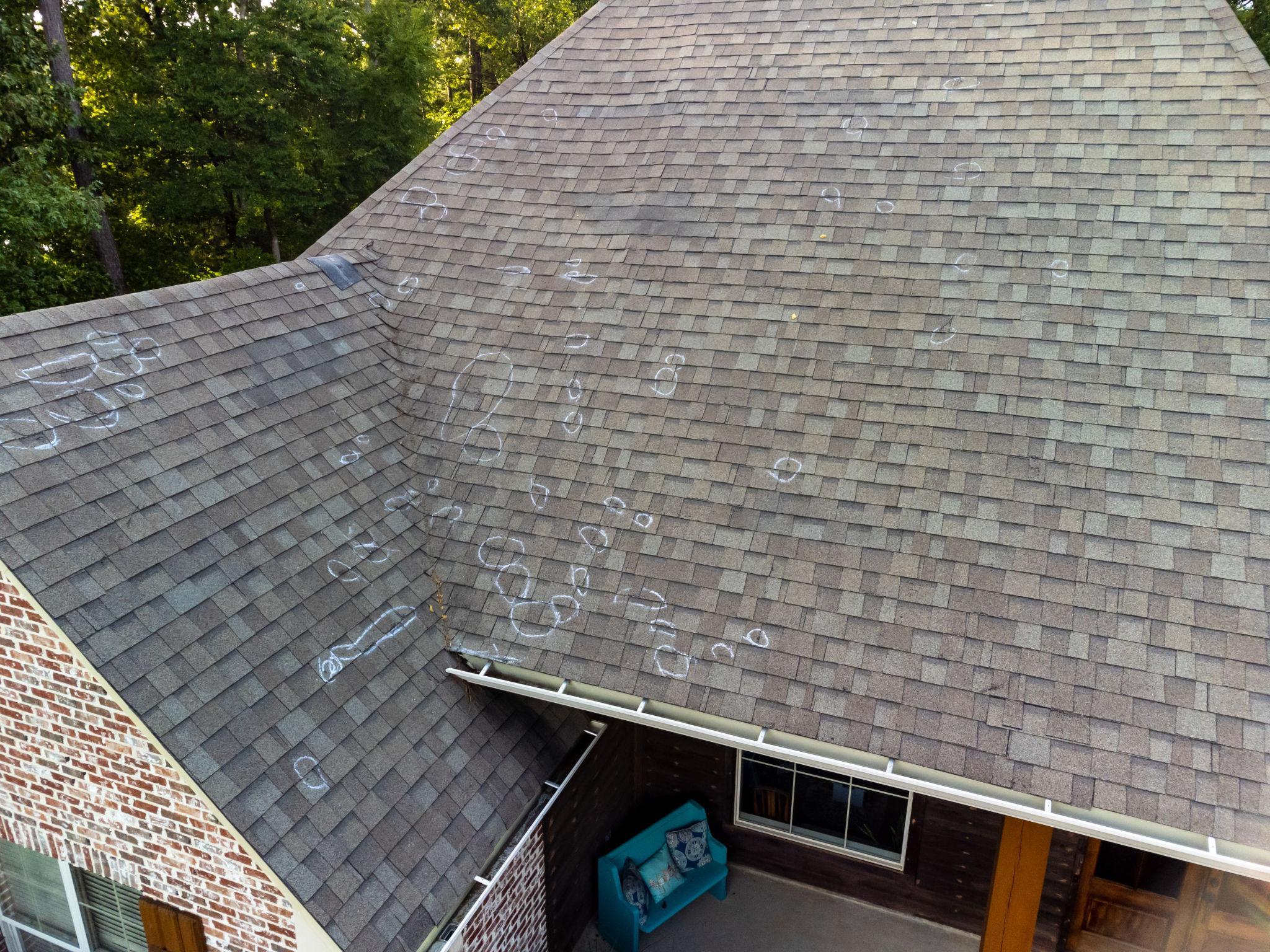
Why Hail Size Alone Doesn’t Tell the Full Story About Roof Damage in the Quad Cities
Why Hail Size Alone Doesn’t Tell the Full Story About Roof Damage in the Quad Cities
After a hailstorm rolls through the Quad Cities, one of the first questions homeowners ask is, “How big was the hail?” While hail size is part of the conversation, it is not the best indicator of whether a roof was damaged. In fact, many roofs in Rock Island, Moline, Davenport, Bettendorf, and Milan suffer serious hail damage during storms that never produce large hailstones.
Midwest weather patterns, roof construction, and material age all play a major role in how hail affects a home. Understanding why hail size alone doesn’t tell the full story can help homeowners make smarter decisions after storms—and avoid missing damage that may worsen over time.
Why Hail Size Gets So Much Attention
Hail size is easy to report and easy to remember.
The problem with focusing only on size
Storm reports often emphasize:
Quarter-sized hail
Golf-ball-sized hail
Larger “severe” hail
While these descriptions sound dramatic, they don’t account for how hail actually impacts a roof system. Two storms with identical hail size can cause very different results depending on other factors.
What Really Determines Hail Damage on a Roof
Hail damage is the result of energy, not just size.
Key factors that affect hail impact
Roof damage depends on:
Wind speed and direction during the storm
Angle of impact on the roof surface
Duration of the hail event
Shingle age and flexibility
Temperature at the time of impact
A fast-moving storm with smaller hail and strong wind can cause more damage than larger hail falling straight down.
How Hail Damages Shingles Without Breaking Them
One of the biggest misconceptions about hail damage is that shingles must be cracked or punctured.
Subsurface hail damage
Hail often causes:
Bruising beneath the shingle surface
Fractures in the asphalt mat
Dislodged granules exposing asphalt
Compromised seal strips
These issues weaken shingles even if no holes or cracks are visible from the ground.
Why Hail Damage Is Hard to See From the Ground
Many hail impacts don’t leave obvious marks.
Why homeowners miss hail damage
From ground level:
Granules may still cover bruises
Shingles may look intact
Damage may be spread across the roof
Without close inspection, hail damage often goes unnoticed until secondary problems appear.
Midwest Weather Makes Hail Damage Less Obvious
Hailstorms in the Quad Cities rarely happen in isolation.
Regional storm patterns
Midwest hailstorms often include:
Cold rain before hail (stiffening shingles)
Sudden wind shifts
Multiple impact directions
Rapid temperature changes
These conditions affect how shingles absorb and respond to hail impact.
Why Older Roofs Are More Vulnerable to Smaller Hail
Roof age plays a major role in hail damage.
Aging shingles react differently
As shingles age:
They lose flexibility
Asphalt dries out
Seal strips weaken
Smaller hail that wouldn’t affect a newer roof can cause serious damage on an older one.
How Hail Damage Progresses Over Time
Hail damage doesn’t always cause immediate leaks.
The delayed damage effect
After hail impact:
Shingle structure weakens
Granules continue to loosen
UV exposure accelerates aging
Wind lifts damaged shingles more easily
Leaks develop later
This is why hail damage is often discovered months after the storm.
Interior Signs That Can Follow Hail Damage
Hail damage often shows up indoors later.
Interior warning signs
Homeowners may notice:
Small leaks during heavy rain
Granules collecting in gutters
Ceiling stains appearing gradually
Drafts or temperature changes
These symptoms often trace back to earlier hail damage.
Why Documentation Matters Even If You Don’t File a Claim
Not every homeowner files a claim immediately—and that’s okay.
The value of documentation
A professional inspection provides:
A record of storm-related damage
A baseline for future roof performance
Clarity about repair vs replacement needs
Documentation helps homeowners make informed decisions on their timeline.
Why Local Experience Matters With Hail Damage
Midwest hail damage follows regional patterns.
A local contractor understands:
Quad Cities storm behavior
Common hail impact zones on roofs
How hail damage interacts with wind and rain
That experience helps identify damage others may miss.
When Homeowners Should Schedule a Hail Inspection
A hail inspection is recommended when:
Hail was reported in your area
Neighbors are repairing roofs
Your roof is over 10 years old
Granules are visible in gutters
Early inspections help prevent long-term issues.
Don’t Rely on Hail Size Alone
Hail size is just one piece of the puzzle. Roof condition, storm behavior, and material age matter just as much—if not more. Ignoring smaller hail events can allow hidden damage to worsen quietly over time.
Schedule a Free Roof Inspection
If your home experienced hail—whether the stones were large or small—a professional inspection can help determine whether your roof was affected. Twin Bridge Roofing & Construction is a licensed and insured roofing & siding contractor serving the Quad Cities, offering free, no-obligation inspections to help homeowners understand roof condition, storm damage, and next steps.
📞 Call or text 309-948-4126
🌐 Visit roofqc.com to schedule your inspection online
