How Midwest Summer Heat Quietly Breaks Down Roofs in the Quad Cities
How Midwest Summer Heat Quietly Breaks Down Roofs in the Quad Cities
When homeowners think about roof damage, storms usually get the blame. But in the Quad Cities, summer heat and sun exposure quietly cause just as much long-term roof damage as wind and hail—often without obvious warning signs.
Homes in Rock Island, Moline, Davenport, Bettendorf, and Milan experience hot, humid summers paired with intense UV exposure. Over time, that combination breaks down roofing materials from the outside and the inside. Understanding how summer heat affects your roof helps homeowners catch problems early and extend roof lifespan.
Why Summer Is Harder on Roofs Than It Looks
Summer damage doesn’t happen all at once. It’s gradual, cumulative, and easy to overlook.
Midwest summer conditions that stress roofs
Prolonged high temperatures
Intense ultraviolet (UV) radiation
High humidity that slows material cooling
Sudden temperature drops after storms
Each day of heat slightly weakens roofing materials. Over months and years, the damage adds up.
UV Exposure and Asphalt Shingle Breakdown
Asphalt shingles rely on oils and granules to remain flexible and protective.
What UV radiation does to shingles
UV exposure causes:
Asphalt oils to dry out
Shingles to become brittle
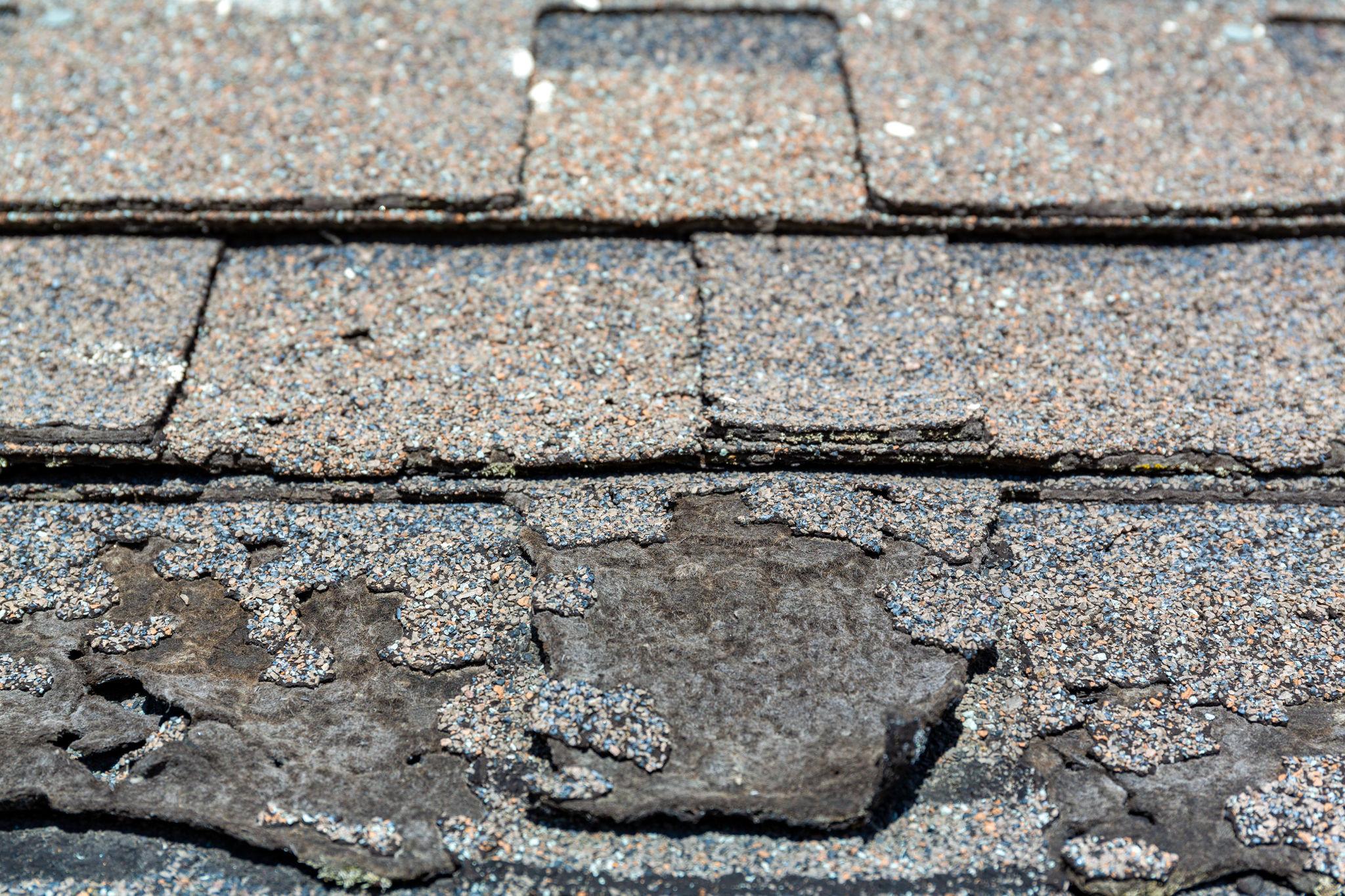
Granules to loosen and fall away
Cracks to form under stress
Once granules are lost, shingles absorb more heat—accelerating further deterioration.
Heat Builds Up From Below, Too
Roof damage doesn’t only come from the sun.
Attic heat amplification
During summer, attic temperatures can soar well above outdoor temperatures. Poor ventilation allows heat to:
Build up under the roof deck
Bake shingles from underneath
Weaken seal strips
Increase expansion and contraction
This double-sided heating significantly shortens roof lifespan.
Why Seal Strips Fail More Often in Summer
Shingle seal strips are designed to activate with warmth—but too much heat causes problems.
Seal strip stress
Repeated heat cycles can:
Over-soften adhesives
Reduce bonding strength
Allow shingles to lift more easily in wind
Once seal strips weaken, even moderate wind can cause long-term damage.
Expansion and Contraction Stress
Roof materials constantly expand and contract.
The summer stress cycle
Shingles expand in daytime heat
Materials contract overnight
Fasteners experience repeated movement
Micro-fractures slowly develop
Over time, this cycle leads to nail pops, lifted edges, and flashing separation.
Why Summer Damage Often Goes Unnoticed
Unlike storm damage, summer wear doesn’t announce itself.
Common reasons damage is missed
No immediate leaks
Shingles still look intact
Granule loss is gradual
Problems appear months later
By the time fall rain arrives, summer-weakened roofs are often less prepared to handle moisture.
How Summer Heat Affects Flashing and Sealants
Metal flashing and sealants react differently to heat than shingles.
Heat-related flashing issues
Metal expands and contracts faster
Sealants dry and crack
Fasteners loosen slightly
These issues often show up as leaks during the first heavy rain after a hot stretch.
Interior Clues That Heat Damage Is Developing
Homeowners may notice interior changes without connecting them to roof heat.
Warning signs
Higher cooling bills
Uneven temperatures upstairs
Musty attic odors
Insulation that feels hot to the touch
These signs often point to ventilation or heat-related roof stress.
Why Older Roofs Are More Vulnerable
As roofs age, their tolerance for heat decreases.
Aging roof risks
Older shingles:
Lose protective oils
Become less flexible
Crack more easily
Fail faster under UV exposure
Summer heat accelerates this aging process.
How Professional Inspections Catch Heat Damage Early
Heat damage isn’t always visible from the ground.
What inspectors look for
Brittle shingle edges
Granule loss patterns
Seal strip integrity
Ventilation performance
Flashing movement
Catching heat damage early helps prevent fall and winter leaks.
Why Local Experience Matters
Midwest summer conditions differ from other regions. A local contractor understands:
Quad Cities heat and humidity patterns
Common summer failure points
How heat damage affects winter performance
That insight leads to better long-term planning.
Preventing Heat-Related Roof Damage
While summer heat can’t be avoided, damage can be reduced.
Helpful strategies
Ensure proper attic ventilation
Address minor shingle issues early
Inspect flashing after heat waves
Monitor granule loss in gutters
Proactive care extends roof life significantly.
Schedule a Free Summer Roof Inspection
If your roof has been exposed to prolonged summer heat—or if it’s aging faster than expected—a professional inspection can help identify heat-related issues early. Twin Bridge Roofing & Construction is a licensed and insured roofing & siding contractor serving the Quad Cities, offering free, no-obligation inspections to help homeowners protect their roofs year-round.
📞 Call or text 309-948-4126 to schedule your inspection
🌐 Visit roofqc.com to request an appointment online
