How Wind Loosens Vinyl Siding Without Ripping It Off in the Quad Cities
How Wind Loosens Vinyl Siding Without Ripping It Off in the Quad Cities
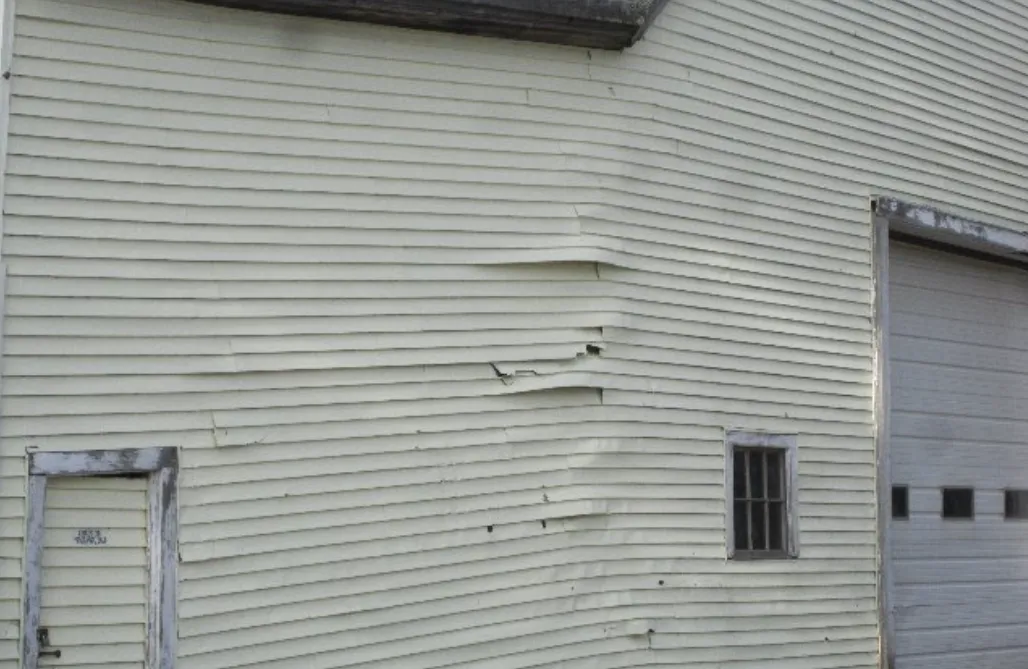
When strong winds move through the Quad Cities, many homeowners step outside afterward and feel relieved when their siding still appears attached. No panels on the ground. No obvious cracks. No visible damage. Unfortunately, vinyl siding does not need to blow off a house to fail.
In Rock Island, Moline, Davenport, Bettendorf, and Milan, wind often loosens vinyl siding just enough to allow water behind it—creating hidden moisture problems that may not surface until weeks or months later. Understanding how wind affects vinyl siding helps homeowners catch issues early and prevent wall damage that can quietly spread.
Why Vinyl Siding Is Designed to Move
Vinyl siding is intentionally installed loosely.
How vinyl siding is meant to function
Vinyl panels are designed to:
Expand and contract with temperature changes
Slide slightly on fasteners
Lock together while remaining flexible
This movement prevents cracking—but it also makes siding vulnerable to wind stress.
How Wind Exploits Vinyl Siding Movement
Strong winds push siding beyond its intended range of movement.
What happens during wind events
When wind pressure builds:
Panels flex outward
Locking seams loosen
Fasteners experience repeated stress
Panels may partially unlock
Even if siding snaps back into place, its weather resistance may be compromised.
Why Damage Often Isn’t Visible From the Ground
One of the most dangerous aspects of wind-loosened siding is how subtle it looks afterward.
Why homeowners miss wind damage
After a wind event:
Panels may appear straight
Locks may reseat visually
Damage occurs behind the siding
From the ground, siding can look fine while allowing water intrusion behind it.
How Water Gets Behind Wind-Loosened Siding
Vinyl siding is not waterproof—it’s a drainage system.
Moisture pathways after wind damage
Once seams loosen:
Wind-driven rain slips behind panels
Water bypasses trim and J-channel
Moisture reaches house wrap and sheathing
If drainage is disrupted, water becomes trapped.
Why Midwest Wind Makes This Worse
Quad Cities storms combine wind and rain.
Regional weather factors
Midwest wind events often include:
Sudden gusts
Directional wind shifts
Heavy rain following wind
These conditions force water sideways and upward, directly into loosened siding seams.
House Wrap and Sheathing Are at Risk
Once water bypasses siding, the layers behind it matter.
What happens behind the panels
Trapped moisture can:
Saturate house wrap
Soak wall sheathing
Reduce insulation effectiveness
Promote mold or rot
This damage often spreads before any exterior sign appears.
Interior Warning Signs of Wind-Loosened Siding
Siding damage often reveals itself indoors first.
Interior symptoms to watch for
Homeowners may notice:
Musty odors near exterior walls
Cold or damp wall surfaces
Bubbling paint or drywall
Increased indoor humidity
These signs frequently appear weeks after a wind event.
Why Repeated Wind Events Compound the Damage
Vinyl siding rarely fails all at once.
The escalation pattern
Wind loosens siding seams
Rain enters behind panels
Materials dry slowly or not at all
Subsequent winds worsen loosened areas
Moisture damage spreads
Each windstorm increases the risk.
Why Caulking Isn’t the Solution
Caulk is often misused as a fix.
Why caulk fails on vinyl siding
Vinyl must move—caulk restricts movement
Temperature changes break the seal
Water becomes trapped
Proper repairs restore locking, drainage, and flashing—not seal everything shut.
How Professional Inspections Identify Wind Damage
Wind-loosened siding requires hands-on evaluation.
What inspectors assess
Panel lock integrity
Fastener tension and placement
Trim and J-channel condition
Drainage pathways
Moisture behind siding
This evaluation identifies issues invisible from the ground.
Why Local Experience Matters With Siding Wind Damage
Midwest wind patterns affect siding differently than coastal storms.
A local contractor understands:
Quad Cities wind directions
Common failure elevations
How siding behaves after repeated storms
That experience leads to accurate diagnosis—not guesswork.
When Homeowners Should Schedule an Inspection
A siding inspection is recommended if:
Strong winds recently occurred
Siding sounds rattled during wind
Interior moisture symptoms appear
Siding feels loose when lightly pressed
Early inspections prevent extensive wall repairs.
Schedule a Free Siding Inspection
If your home has experienced strong winds—or you’re concerned about siding movement or moisture intrusion—an inspection can help catch problems early. Twin Bridge Roofing & Construction is a licensed and insured roofing & siding contractor serving the Quad Cities, offering free, no-obligation inspections to evaluate siding performance and hidden wind damage.
📞 Call or text 309-948-4126
🌐 Visit roofqc.com to schedule your inspection online
