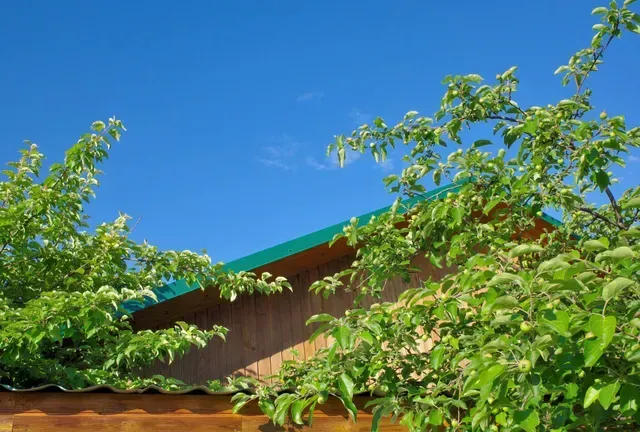
How Tree Cover Affects Roof Drying Time in Spring Across the Quad Cities
How Tree Cover Affects Roof Drying Time in Spring Across the Quad Cities
As spring settles into the Quad Cities, many homeowners start to notice uneven drying on their roofs after rain. Some sections dry quickly, while others stay dark and damp well into the afternoon. In most cases, the difference comes down to one overlooked factor: tree cover.
In Rock Island, Moline, Davenport, Bettendorf, and Milan, mature neighborhoods often have large trees close to homes. While trees add shade and curb appeal, they can significantly affect how a roof handles moisture—especially during April, when rain is frequent and temperatures fluctuate. Understanding how tree cover impacts roof drying time helps homeowners recognize why certain areas of the roof age faster and why spring is a critical inspection window.
Why Roof Drying Time Matters More in Spring
Spring creates unique moisture conditions.
What makes April different
In early spring:
Rainfall is more frequent
Humidity levels rise
Overnight temperatures stay cool
Sun angles are still relatively low
These conditions mean roofs rely heavily on sunlight and airflow to dry properly. When tree cover blocks those elements, moisture lingers.
How Tree Shade Slows Roof Drying
Sun exposure is a roof’s primary drying mechanism.
The role of sunlight
Sunlight helps:
Evaporate surface moisture
Warm shingles and underlayment
Reduce damp conditions that stress materials
When trees block sunlight, shaded roof sections can remain wet hours longer than exposed areas.
Why Slower Drying Leads to Accelerated Roof Wear
Moisture that sticks around causes problems.
Long-term effects of lingering moisture
Extended dampness can:
Soften asphalt shingles
Loosen protective granules
Increase the likelihood of organic growth
Reduce overall shingle lifespan
While a roof may not leak, its durability can quietly decline over time.
Which Roof Areas Are Most Affected by Tree Cover
Not all sections of the roof dry at the same rate.
High-risk shaded areas
Tree-related moisture issues are most common on:
North-facing slopes
Lower roof sections under branches
Valleys where shade and runoff combine
Areas near dormers or roof transitions
These sections often stay damp the longest after spring rain.
Why Tree Debris Makes the Problem Worse
Shade is only part of the issue.
Debris buildup from trees
Trees drop:
Leaves and needles
Seed pods and blossoms
Small twigs and organic matter
This debris can trap moisture on the roof surface, further slowing drying time and creating pockets where water lingers.
The Connection Between Tree Cover and Organic Growth
Moisture plus shade creates the perfect environment.
Why shaded roofs see more growth
Roofs under tree cover are more prone to:
Algae streaks
Moss development
Lichen growth
While some growth is cosmetic at first, it often indicates prolonged moisture exposure that affects shingle performance.
How Spring Rain Exposes Tree-Related Roof Issues
Winter hides problems that spring reveals.
Why April shows the truth
During winter:
Snow covers roof surfaces
Ice limits visible moisture patterns
In spring:
Rain highlights uneven drying
Shaded areas stay visibly darker
Moisture patterns become easier to spot
This makes April an ideal time to identify tree-related roof stress.
Why Tree-Covered Roofs May Age Unevenly
Not all shingles experience the same conditions.
Uneven aging explained
On tree-covered homes:
Shaded slopes may deteriorate faster
Sun-exposed slopes may look newer
Granule loss may appear inconsistent
This uneven wear can complicate future repairs or replacements if not addressed early.
Tree Cover Doesn’t Mean Trees Are “Bad”
Trees aren’t the enemy—management matters.
Balanced perspective
Trees provide:
Shade that can lower cooling costs
Wind protection in storms
Aesthetic and environmental benefits
The goal isn’t removal, but understanding how tree placement affects roof performance.
How Professional Inspections Evaluate Tree Impact
Tree-related issues aren’t always obvious from the ground.
What inspectors look for
A professional roof inspection evaluates:
Moisture retention patterns
Shingle condition in shaded areas
Debris accumulation zones
Early signs of organic growth
Drainage behavior near tree cover
This helps determine whether tree shade is creating a maintenance concern.
Why Spring Is the Best Time to Address These Issues
Timing matters when it comes to moisture.
Benefits of early evaluation
Spring inspections:
Catch moisture issues before summer heat
Allow trimming or maintenance planning
Reduce long-term roof stress
Waiting until summer can hide drying issues once temperatures rise.
Interior Clues That May Point to Exterior Moisture Retention
Exterior moisture sometimes shows up inside.
Interior signs to watch for
Homeowners may notice:
Elevated indoor humidity
Musty attic odors
Damp insulation near roof edges
These signs can align with shaded roof sections staying wet too long.
Why Local Experience Matters With Tree-Covered Homes
Midwest neighborhoods have unique characteristics.
A local contractor understands:
Quad Cities tree density patterns
Typical spring moisture behavior
How shaded roofs perform in this climate
That experience leads to accurate assessments—not unnecessary recommendations.
When Homeowners Should Schedule an Inspection
A roof inspection is recommended if:
Parts of the roof stay wet long after rain
Trees overhang or shade roof sections
Debris frequently accumulates on the roof
The roof hasn’t been inspected recently
Early evaluation helps preserve roof life.
Tree Shade Changes How a Roof Ages
Tree cover doesn’t automatically mean a problem—but it does change how a roof handles moisture in spring. Recognizing how shade affects drying time helps homeowners take proactive steps to protect their roof before summer storms and heat arrive.
Schedule a Free Roof Inspection
If your roof stays damp longer after spring rain or is heavily shaded by nearby trees, a professional inspection can help identify moisture-related concerns early. Twin Bridge Roofing & Construction is a licensed and insured roofing & siding contractor serving the Quad Cities, offering free, no-obligation inspections to evaluate roof condition, drying patterns, and seasonal wear.
📞 Call or text 309-948-4126
🌐 Visit roofqc.com to schedule your inspection online
