Why Nail Pops Are a Serious Warning Sign on Quad Cities Roofs
Why Nail Pops Are a Serious Warning Sign on Quad Cities Roofs
Nail pops are one of the most common roofing issues found during inspections in the Quad Cities—and one of the easiest to underestimate. A small raised nail head or lifted shingle might not look alarming, but nail pops often indicate underlying roof movement, moisture issues, or installation stress that can lead to leaks if left unaddressed.
For homeowners in Rock Island, Moline, Davenport, Bettendorf, and Milan, understanding why nail pops happen—and what they really mean—can prevent minor issues from turning into major roof problems.
What a Nail Pop Actually Is
A nail pop occurs when a roofing nail works its way upward through the shingle.
What causes the nail to move
When a nail backs out:
It lifts the shingle above it
Breaks the shingle’s seal strip
Creates a direct water entry point
Even a small amount of movement can compromise the roof’s ability to shed water.
Why Nail Pops Are So Common in the Midwest
Midwest weather creates constant stress on roofing systems.
Regional conditions that contribute
In the Quad Cities, roofs are exposed to:
Freeze-thaw cycles
Rapid temperature swings
Seasonal moisture changes
Wind uplift
These conditions cause roofing materials and wood decking to expand and contract repeatedly, pushing fasteners upward over time.
How Freeze-Thaw Cycles Affect Fasteners
Wood decking plays a major role in nail movement.
The freeze-thaw effect
When moisture enters the roof system:
Wood absorbs moisture and swells
Temperatures drop and moisture freezes
Expansion pushes nails upward
Thawing allows slight relaxation
Repeated cycles worsen movement
Over multiple seasons, nails slowly work their way out.
Installation Factors That Contribute to Nail Pops
Some nail pops stem from installation practices.
Common installation-related causes
Nails driven too shallow
Overdriven nails breaking shingle mats
Nails missing the roof decking
Incorrect fastener spacing
These issues may not cause immediate problems—but they often show up years later.
Why Nail Pops Rarely Occur Alone
Nail pops tend to spread.
Why one pop leads to more
Once a shingle seal is broken:
Wind can lift surrounding shingles
Adjacent nails experience more stress
Water intrusion accelerates fastener movement
This chain reaction is why multiple nail pops often appear together.
Why Nail Pops Are a Leak Risk Even Without Missing Shingles
A roof doesn’t need missing shingles to leak.
How water enters at nail pops
Water can:
Travel under lifted shingles
Follow exposed nail shafts
Penetrate through compromised underlayment
Leaks caused by nail pops often appear during heavy rain or wind-driven storms.
Exterior Signs Homeowners Can Watch For
Some nail pops are visible from the ground.
What to look for outside
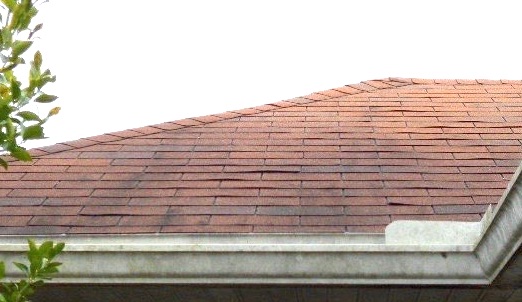
Shingles that look uneven or raised
Small bumps along shingle rows
Shingles lifting at the corners
These signs often indicate fastener movement beneath the surface.
Interior Warning Signs of Nail Pop Issues
Nail pop leaks can be subtle at first.
Interior clues
Homeowners may notice:
Small ceiling stains
Damp attic insulation
Drips that appear only during heavy rain
Musty odors near the attic
These symptoms often point to slow, ongoing moisture intrusion.
Why Spot Repairs Aren’t Always Enough
Hammering a nail back down isn’t a long-term fix.
Limitations of spot fixes
Nails often back out again
Shingle seals remain broken
Underlying moisture issues persist
Proper repairs address the cause—not just the symptom.
How Professional Inspections Evaluate Nail Pops
A professional inspection looks beyond visible nail heads.
What inspectors assess
Pattern and frequency of nail pops
Decking condition
Shingle seal integrity
Signs of moisture intrusion
Overall fastener performance
This helps determine whether the issue is isolated or system-wide.
Why Nail Pops Often Appear After Winter
Many homeowners notice nail pops in spring.
Seasonal timing
After winter:
Freeze-thaw cycles peak
Snowmelt introduces moisture
Wood movement increases
Spring inspections often reveal nail pops that developed during winter months.
Why Local Experience Matters
Midwest roofing systems behave differently than roofs in other regions.
A local contractor understands:
Quad Cities weather patterns
Common fastener failure points
How nail pops progress locally
That experience leads to accurate recommendations.
When Homeowners Should Schedule an Inspection
An inspection is recommended if:
Shingles look raised or uneven
Nail heads are visible
Leaks appear after heavy rain
The roof is over 10 years old
Early evaluation prevents escalating damage.
Schedule a Free Roof Inspection
If you’ve noticed raised shingles, nail heads, or unexplained leaks, nail pops may be the cause. Twin Bridge Roofing & Construction is a licensed and insured roofing & siding contractor serving the Quad Cities, offering free, no-obligation inspections to evaluate fastener performance and overall roof condition.
📞 Call or text 309-948-4126
🌐 Visit roofqc.com to schedule your inspection online
