Why Nail Pops Appear After Midwest Weather Swings (and Why They Matter)
Why Nail Pops Appear After Midwest Weather Swings (and Why They Matter)
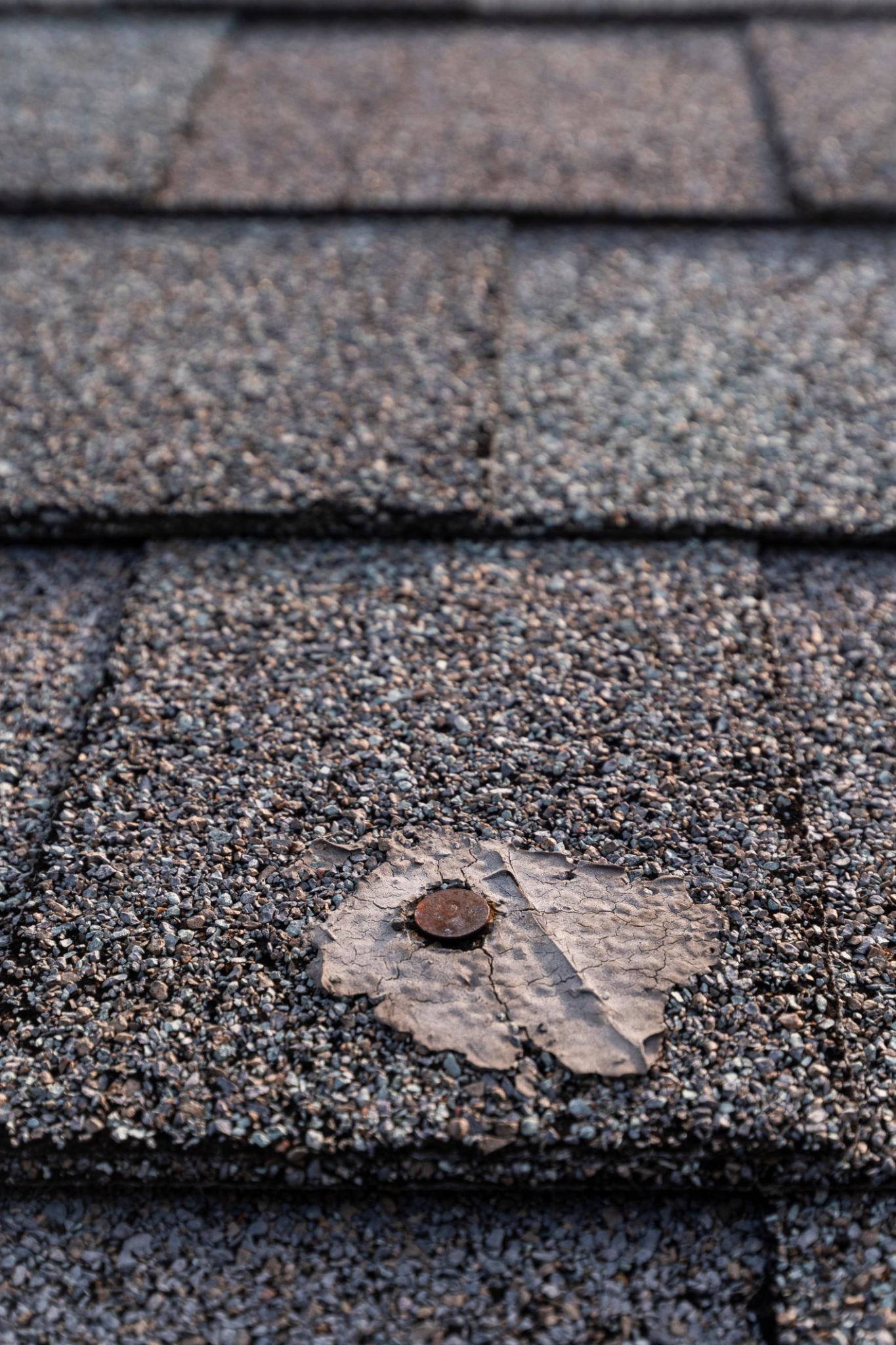
Many Quad Cities homeowners first notice nail pops when they spot a small dark dot on the roof or see a raised shingle that wasn’t there before. Nail pops can look minor, but in Midwest climates, they’re often an early warning sign of deeper roofing stress.
In Rock Island, Moline, Davenport, Bettendorf, and Milan, nail pops are extremely common because roofing systems are constantly expanding and contracting due to temperature swings, moisture, and wind. Understanding why nail pops occur—and what they can lead to—helps homeowners address problems before leaks develop.
What a Nail Pop Actually Is
A nail pop happens when a roofing nail pushes upward, lifting the shingle above it.
Why nails move
Roofing nails can move due to:
Wood decking expansion and contraction
Moisture absorption in roof decking
Wind uplift stressing fasteners
Improper original installation
Once a nail lifts, it creates a small opening that compromises the roof’s water-shedding ability.
Why Midwest Weather Causes Nail Pops
Nail pops are far more common in climates with wide temperature ranges.
Midwest conditions that stress fasteners
Homes in the Quad Cities experience:
Freezing winter temperatures
Rapid spring warmups
Hot, humid summers
Sudden cold fronts after storms
Each shift causes roof decking to expand or contract slightly. Over time, that movement pushes nails upward.
Moisture’s Role in Nail Movement
Moisture plays a major role in nail pops.
How moisture affects decking
When roof decking absorbs moisture:
Wood swells
Nail holes widen slightly
Nails lose grip
When the decking dries, it shrinks—but the nail may not fully reseat, leaving it raised.
Repeated wet-dry cycles gradually increase the number of nail pops.
Wind Uplift and Fastener Stress
Wind doesn’t just remove shingles—it stresses fasteners repeatedly.
Wind-related nail movement
Strong Midwest winds can:
Lift shingle edges
Tug on nails repeatedly
Work nails loose over time
Even if shingles stay in place, the fasteners beneath them may slowly migrate upward.
Improper Installation Increases Nail Pop Risk
Some nail pops are tied to how the roof was originally installed.
Installation factors that matter
Nails driven too deep or too shallow
Nails missing the decking
Nails driven at an angle
Inadequate nail length
While nail pops can occur on well-installed roofs, poor fastening dramatically increases their frequency.
Why Nail Pops Often Appear in Clusters
Homeowners often notice several nail pops in the same area.
Why clustering happens
Nail pops tend to appear where:
Decking joints are located
Moisture accumulates more often
Ventilation is poor
Ice dams previously formed
These areas experience more movement and moisture stress than others.
Why Nail Pops Lead to Leaks
A raised nail compromises the roof’s water barrier.
How water gets in
Once a nail lifts:
Shingles can no longer seal properly
Water can follow the nail shaft downward
Moisture enters the decking
During wind-driven rain, even a tiny opening can allow water intrusion.
Interior Warning Signs Linked to Nail Pops
Nail pops don’t always cause immediate leaks.
Interior clues to watch for
Small ceiling stains that appear after storms
Moist smells in attic spaces
Damp insulation near roof penetrations
These signs often indicate minor but growing roof entry points.
Why Nail Pops Are Often Ignored
Because nail pops look small, they’re frequently dismissed.
Common misconceptions
“It’s just one nail”
“It’s not leaking yet”
“It can wait”
In Midwest weather, small issues rarely stay small.
How Professional Inspections Address Nail Pops
A professional roof inspection evaluates nail pops as part of the overall system.
What professionals check
Shingle fastening patterns
Decking movement indicators
Ventilation performance
Moisture exposure areas
Related flashing or edge issues
This approach ensures nail pops are treated as symptoms—not isolated problems.
Preventing Nail Pops From Returning
Fixing nail pops properly involves more than hammering nails back down.
Long-term solutions may include
Re-fastening with proper nail placement
Addressing decking moisture issues
Improving attic ventilation
Correcting underlying roof stress
Addressing the cause helps prevent repeated fastener movement.
Why Local Experience Matters
Midwest nail pop patterns are predictable. A local contractor understands:
Where Quad Cities roofs commonly experience fastener movement
How seasonal weather affects decking
When nail pops signal broader issues
That experience leads to more durable repairs.
When Nail Pops Should Be Inspected
Homeowners should consider inspection if:
Nail pops appear suddenly after weather changes
Multiple nail pops are visible
Shingles look lifted or uneven
Interior moisture signs appear
Early action limits water damage.
Schedule a Free Roof Inspection
If you’ve noticed nail pops, lifted shingles, or small changes on your roof, a professional inspection can help prevent leaks and larger repairs. Twin Bridge Roofing & Construction is a licensed and insured roofing & siding contractor serving the Quad Cities, offering free, no-obligation roof inspections to identify fastener and decking issues early.
📞 Call or text 309-948-4126 to schedule your inspection
🌐 Visit roofqc.com to request an appointment online
