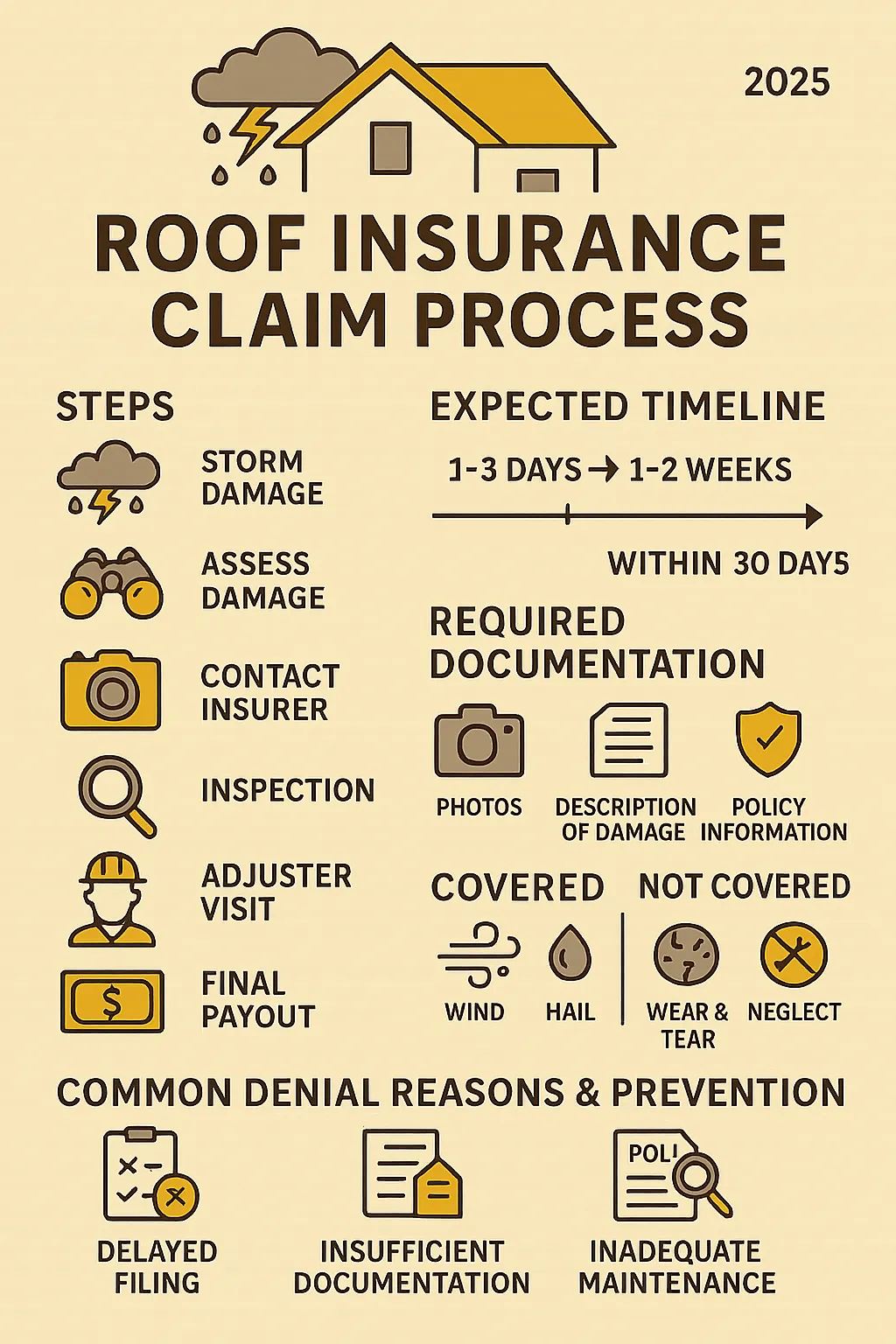
Why the Timing of Your Roof Inspection Can Affect an Insurance Claim
Why the Timing of Your Roof Inspection Can Affect an Insurance Claim
After a storm moves through the Quad Cities, homeowners often ask the same question: “How soon should I get my roof inspected?” Many assume timing doesn’t matter—as long as damage eventually gets fixed. In reality, when a roof inspection happens can significantly impact insurance options, documentation, and outcomes.
In the Midwest, where storms are frequent and damage is often subtle at first, inspection timing plays a major role in how roof and siding issues are classified. For homeowners in Rock Island, Moline, Davenport, Bettendorf, and Milan, understanding this timing helps protect both the home and future insurance flexibility.
Why Timing Matters More Than Homeowners Expect
Insurance claims rely on two key factors:
Cause of damage
When the damage occurred
If either is unclear, coverage can become complicated.
The Midwest complication
Because Illinois and Iowa experience frequent storms, insurers often ask:
Which storm caused the damage?
Was the damage sudden or gradual?
Could the damage have existed before the reported event?
Early inspections help answer these questions clearly.
What Happens When Inspections Are Delayed
Waiting weeks or months to schedule an inspection can change how damage is viewed.
Common issues with delayed inspections
Damage may worsen and appear gradual
Storm attribution becomes unclear
Moisture intrusion complicates repair scope
Insurers may classify damage as wear and tear
By the time leaks appear, proving storm-related origin is harder.
Wind and Hail Damage Often Starts Subtly
Midwest storm damage isn’t always dramatic.
Why damage is missed early
Shingles may reseat after wind
Hail bruising may not crack shingles
Flashing can loosen without leaking immediately
Without an inspection, these issues continue developing quietly.
Early Inspections Establish a Baseline
A professional inspection shortly after a storm creates documentation.
Why baseline documentation matters
Confirms roof condition close to the storm date
Identifies areas of concern early
Supports future claim decisions if damage worsens
Helps separate storm damage from aging
Even if no claim is filed, documentation protects options.
Multiple Storms Create Claim Confusion
Midwest storm seasons rarely involve just one event.
The compounding effect
When storms occur weeks apart:
Damage layers on top of damage
It becomes harder to isolate cause
Insurers may question timing
An inspection after each major event helps maintain clarity.
The Role of Photos and Written Findings
Insurance decisions rely heavily on evidence.
What professional inspections document
High-resolution photos of damage
Notes on shingle adhesion and condition
Flashing and edge evaluations
Siding and gutter impacts
This documentation becomes critical if questions arise later.
Why Waiting for a Leak Is Risky
Many homeowners wait until water enters the home.
The downside of waiting
Interior damage increases repair scope
Moisture spreads beyond the roof
Claims may be partially denied
Emergency repairs cost more
A leak is often the result of damage—not the beginning.
How Inspection Timing Affects Repair Decisions
Early inspections give homeowners more options.
Benefits of early evaluation
Time to plan repairs
Ability to compare estimates
Opportunity to prevent escalation
Less pressure to rush decisions
Late inspections often force reactive, urgent repairs.
What Insurance Companies Look For
Insurers typically evaluate:
Damage consistency
Storm timelines
Maintenance history
Inspection documentation
Early inspections align better with these review criteria.
Why Local Experience Matters With Timing
Local contractors understand:
Quad Cities storm patterns
Typical damage progression timelines
How insurers interpret Midwest claims
That insight helps homeowners avoid common timing mistakes.
When to Schedule an Inspection
Inspections are recommended:
After major wind or hail events
When multiple storms occur close together
If neighbors report damage
Before seasonal weather shifts
Anytime exterior changes are noticed
Earlier is almost always better than later.
Inspections Are Informational — Not Obligations
A professional inspection doesn’t force a claim.
What inspections provide
Clear understanding of roof condition
Objective documentation
Time to make informed decisions
Homeowners remain in control of next steps.
Schedule a Free Post-Storm Roof Inspection
If your home has experienced recent storms—or if you’re unsure when damage may have occurred—an early inspection can help protect your options. Twin Bridge Roofing & Construction is a licensed and insured roofing & siding contractor serving the Quad Cities, offering free, no-obligation inspections to help homeowners document damage and plan confidently.
📞 Call or text 309-948-4126 to schedule your inspection
🌐 Visit roofqc.com to request an appointment online
