Why Roof Shingles Are More Vulnerable in Spring Before Seal Strips Activate in the Quad Cities
Why Roof Shingles Are More Vulnerable in Spring Before Seal Strips Activate in the Quad Cities
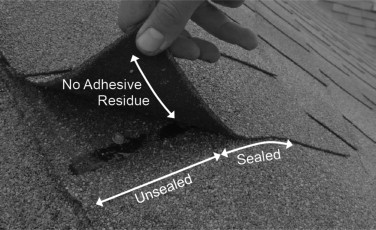
As April temperatures fluctuate across the Quad Cities, many homeowners assume their roof is fully protected as soon as winter ends. What often goes unnoticed is that newer or recently disturbed shingles may not be fully sealed yet, leaving roofs more vulnerable to wind and water during early spring.
Homes in Rock Island, Moline, Davenport, Bettendorf, and Milan experience wide temperature swings in April. Cool nights and mild daytime highs can delay the activation of shingle seal strips—the adhesive components that bond shingles together. Understanding how shingle sealing works and why spring conditions matter helps homeowners recognize why roofs can be at risk even without visible damage.
What Shingle Seal Strips Actually Do
Seal strips are critical to roof performance.
The purpose of seal strips
Seal strips:
Bond overlapping shingles together
Improve wind resistance
Prevent water intrusion beneath shingles
Help shingles lie flat against the roof
Until these strips activate, shingles rely primarily on gravity and fasteners.
How Shingle Seal Activation Works
Seal strips are temperature-dependent.
The activation process
Shingle seal strips activate when:
Temperatures remain warm enough for the adhesive to soften
Sun exposure heats the shingle surface
Shingles press together naturally
This process does not happen instantly—and it does not occur evenly across the roof.
Why April Temperatures Delay Sealing in the Midwest
Spring weather slows the sealing process.
Quad Cities temperature patterns
In April:
Daytime highs may be mild
Overnight temperatures drop sharply
Cloud cover limits solar heating
These conditions can prevent seal strips from fully bonding for weeks.
Which Roof Areas Seal Last
Not all shingles seal at the same time.
High-risk roof sections
Seal activation often lags on:
North-facing slopes
Shaded roof areas
Steeper roof pitches
Roof sections with limited sun exposure
These areas remain vulnerable longer than sun-exposed slopes.
Why Unsealed Shingles Are More Vulnerable to Wind
Wind resistance depends on bonding.
What happens before sealing
Before seal strips activate:
Shingles can lift more easily
Wind can get underneath edges
Repeated lifting stresses fasteners
Even moderate spring winds can cause damage before sealing occurs.
How Water Can Enter Before Seal Activation
Unsealed shingles don’t always leak immediately.
Early-stage moisture risks
During spring rain:
Wind-driven rain can travel under loose shingles
Water may reach underlayment instead of entering the home
Damage may remain hidden initially
These issues often show up later during heavier storms.
Why Recently Installed Roofs Need Extra Attention in Spring
New roofs are especially affected.
New installation timing matters
If a roof was installed:
Late fall
During winter
Early spring
…seal strips may not activate until consistent warm weather arrives.
Why Homeowners Often Miss This Risk
Unsealed shingles can look normal.
Why the issue goes unnoticed
Shingles may appear flat
No leaks are present yet
Damage happens gradually
Without an inspection, homeowners may not realize the roof hasn’t fully sealed.
Interior Clues That Can Follow Seal Issues
Problems sometimes appear indoors later.
Interior warning signs
Homeowners may notice:
Small leaks after windy rain
Drafts near upper ceilings
Subtle ceiling discoloration
These symptoms can trace back to early-season shingle movement.
How Long It Typically Takes for Shingles to Seal
There’s no exact timeline.
Factors that affect sealing time
Seal activation depends on:
Outdoor temperatures
Sun exposure
Roof orientation
Shingle type
In the Quad Cities, full sealing may take several warm weeks.
How Professional Inspections Evaluate Shingle Sealing
Seal activation can be checked safely.
What inspectors look for
A professional inspection includes:
Checking shingle adhesion
Identifying loose or lifting tabs
Evaluating wind-exposed areas
Ensuring fasteners are performing correctly
This helps determine if a roof is still in its vulnerable stage.
Why Spring Is a Critical Monitoring Period
April and early May are transition months.
Why timing matters
Early-season monitoring:
Catches issues before storms intensify
Prevents progressive damage
Protects newly installed roofs
Once shingles fully seal, wind resistance improves significantly.
Why Local Experience Matters With Spring Roof Behavior
Midwest roofs behave differently than roofs in warmer climates.
A local contractor understands:
Quad Cities spring temperature swings
Typical sealing timelines in the region
Which roof slopes seal last locally
That experience leads to accurate assessments—not assumptions.
When Homeowners Should Schedule an Inspection
A spring roof inspection is recommended if:
The roof was installed within the last year
Strong winds occurred recently
Shingles appear lifted or uneven
The roof hasn’t been checked since winter
Early evaluation reduces long-term risk.
Spring Roof Vulnerability Is Temporary—but Real
Unsealed shingles don’t mean a roof is defective. They simply reflect how roofing materials respond to temperature. Understanding this spring vulnerability helps homeowners protect their roof during a critical transition period.
Schedule a Free Roof Inspection
If your roof was recently installed or you’re concerned about shingle sealing after winter, a professional inspection can help ensure everything is performing as intended. Twin Bridge Roofing & Construction is a licensed and insured roofing & siding contractor serving the Quad Cities, offering free, no-obligation inspections to evaluate shingle adhesion, roof performance, and spring readiness.
📞 Call or text 309-948-4126
🌐 Visit roofqc.com to schedule your inspection online
