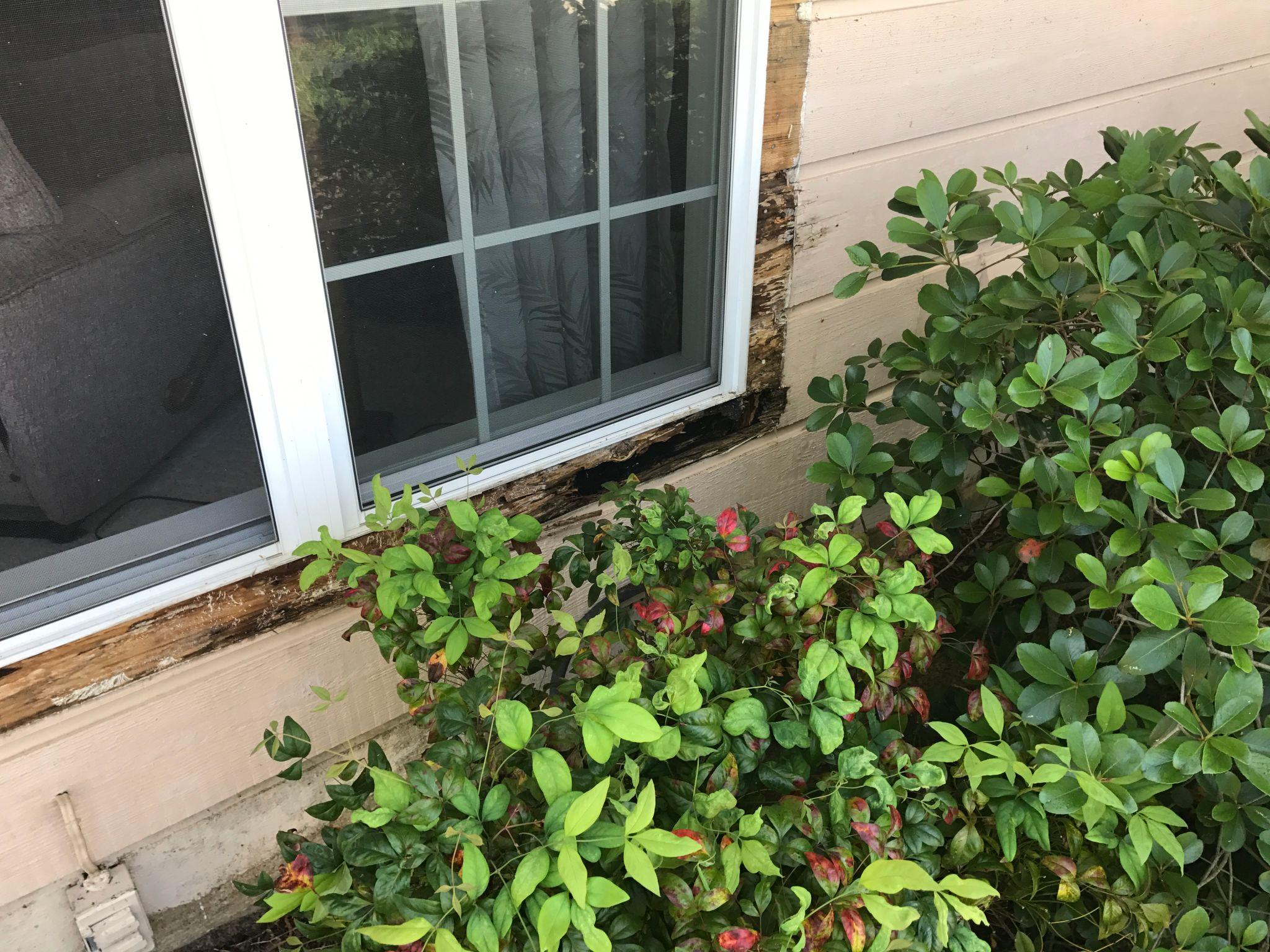
Why Window and Door Trim Failures Let Water Behind Siding in the Quad Cities
Why Window and Door Trim Failures Let Water Behind Siding in the Quad Cities
When water damage shows up around windows or doors, many homeowners assume the window itself is defective. In reality, trim and flashing failures around windows and doors are one of the most common ways water gets behind siding—especially in Midwest climates.
Homes in Rock Island, Moline, Davenport, Bettendorf, and Milan face repeated wind-driven rain, freeze-thaw cycles, and seasonal temperature swings. These conditions place constant stress on window and door trim systems, making them a frequent source of hidden moisture problems.
Understanding how trim and flashing work—and how they fail—helps homeowners identify problems early and avoid widespread wall damage.
How Window and Door Trim Systems Are Supposed to Work
Trim around windows and doors isn’t just decorative—it’s functional.
The role of trim and flashing
Properly installed systems:
Direct water away from openings
Cover and protect flashing layers
Allow controlled drainage
Seal transitions between siding and openings
When any part of this system fails, water can bypass the exterior surface and reach the wall cavity.
Why Windows and Doors Are High-Risk Areas
Any opening in the wall interrupts the siding system.
Why water targets these locations
Around windows and doors:
Water flow changes direction
Wind pushes rain sideways
Sealants age and crack
Materials expand and contract differently
These factors make trim joints especially vulnerable.
Wind-Driven Rain Exploits Trim Gaps
Midwest rain rarely falls straight down.
How wind affects trim
Strong winds can:
Force rain behind trim boards
Push water upward under J-channel
Drive moisture into small seams
Even tiny gaps can allow significant moisture entry during storms.
Freeze-Thaw Cycles Break Down Sealants
Sealants play a supporting role—but they don’t last forever.
How freeze-thaw causes failure
When temperatures fluctuate:
Sealant expands and contracts
Adhesion weakens
Cracks form
Water enters behind trim
Once sealant fails, trim joints become open pathways for moisture.
Common Trim and Flashing Installation Mistakes
Many trim failures trace back to installation shortcuts.
Frequent issues found during inspections
Missing or improperly layered flashing
Trim installed tight with no drainage gap
Reliance on caulk instead of flashing
Incorrect overlap with siding
These issues may not leak immediately—but they almost always fail over time.
Why Damage Often Appears Below the Window or Door
Water doesn’t usually stay where it enters.
How moisture travels
Once behind trim, water can:
Run downward behind siding
Pool at the bottom of walls
Saturate sheathing and insulation
As a result, damage may appear far below the actual entry point.
Exterior Warning Signs Around Openings
Homeowners can spot early signs with a careful look.
What to look for outside
Trim pulling away from the wall
Cracked or missing caulk
Siding gaps near corners of windows
Discoloration or algae growth
Soft trim boards
These symptoms often indicate water intrusion.
Interior Signs Linked to Trim Failures
Interior clues often show up before exterior damage is obvious.
Interior warning signs
Stains below windows or doors
Bubbling paint or drywall
Musty odors near exterior walls
Cold drafts around openings
These signs often worsen after heavy rain.
Why Trim-Related Moisture Problems Escalate
Water behind siding doesn’t dry easily.
Escalation pattern
Moisture enters through trim gaps
Insulation absorbs water
Drying time increases
Mold or rot develops
Larger wall repairs become necessary
Early detection prevents extensive damage.
How Professional Inspections Evaluate Trim Failures
Inspections look beyond surface appearance.
What professionals assess
Trim condition and attachment
Flashing presence and overlap
Drainage gaps around openings
Moisture patterns behind siding
Interior indicators tied to exterior openings
This system-level approach identifies problems early.
Why Local Experience Matters
Midwest trim failures follow regional patterns.
A local contractor understands:
Quad Cities wind directions
Typical freeze-thaw stress points
Common installation shortcuts on local homes
That experience leads to accurate diagnosis and realistic repair options.
When Homeowners Should Schedule an Inspection
Window and door trim should be inspected if:
Stains appear below openings
Caulk cracks repeatedly
Trim looks warped or soft
Interior moisture symptoms develop
Addressing issues early limits repair scope.
Schedule a Free Window & Door Trim Inspection
If you’ve noticed moisture near windows or doors—or want to confirm your trim and flashing are properly protecting your home—a professional inspection can help. Twin Bridge Roofing & Construction is a licensed and insured roofing & siding contractor serving the Quad Cities, offering free, no-obligation inspections to evaluate window and door trim systems and prevent hidden moisture damage.
📞 Call or text 309-948-4126 to schedule your inspection
🌐 Visit roofqc.com to request an appointment online
