Why Insurance Roof Estimates Change in Spring—and What a Supplement Really Means for Quad Cities Homeowners
Why Insurance Roof Estimates Change in Spring—and What a Supplement Really Means for Quad Cities Homeowners
After a spring storm hits the Quad Cities, many homeowners feel relief once the insurance adjuster finishes the inspection and issues an estimate. The claim looks approved, numbers are on paper, and repairs seem ready to move forward. Then, partway through the process, something unexpected happens: the estimate changes.
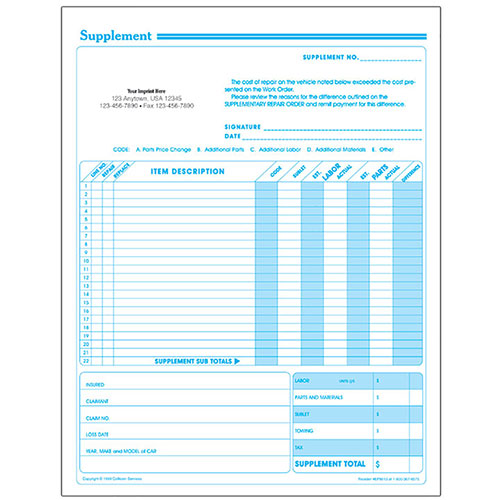
For homeowners in Rock Island, Moline, Davenport, Bettendorf, and Milan, this often comes in the form of an insurance supplement. Supplements are one of the most misunderstood parts of the insurance claim process, and they commonly appear during spring repair season when hidden damage becomes visible.
Understanding why supplements happen, what they are (and aren’t), and how they affect your claim helps prevent confusion and delays during roof and siding repairs.
What an Insurance Supplement Actually Is
A supplement is not a new claim.
The basic definition
An insurance supplement is:
A request for additional funds
Based on damage or work not included in the original estimate
Submitted after repairs begin or further inspection occurs
It reflects newly identified, necessary repair items, not optional upgrades.
Why Supplements Are Common in Spring Claims
Spring repairs uncover what winter hid.
Why April matters
In early spring:
Snow and ice have recently melted
Materials are removed for the first time
Moisture damage becomes visible
Structural components are exposed
Adjusters often can’t see everything during an initial inspection, especially in cold or wet conditions.
Why the Original Estimate Isn’t Always Complete
Initial inspections are limited.
What adjusters can’t always see
During the first inspection:
Shingles and siding remain in place
Decking and sheathing are hidden
Fastener and attachment issues aren’t visible
Code-required items may not be triggered yet
The original estimate is based on visible damage only.
Common Reasons a Roof or Siding Supplement Is Needed
Supplements follow predictable patterns.
Typical supplement items
In the Quad Cities, supplements often involve:
Damaged roof decking discovered during tear-off
Additional flashing or underlayment requirements
Ventilation corrections triggered by repairs
Siding damage behind panels
Ice and water barrier requirements
These items aren’t optional—they’re required to complete the repair properly.
Why a Supplement Doesn’t Mean the Claim Was “Wrong”
This is a common misunderstanding.
Clarifying the process
A supplement:
Doesn’t mean the adjuster made a mistake
Doesn’t mean the claim was denied
Doesn’t automatically increase your deductible
It simply reflects new information uncovered after work begins.
How Supplements Are Submitted to Insurance
There is a formal process.
What typically happens
A supplement submission usually includes:
Updated line items
Photos of newly exposed damage
Revised measurements or quantities
Written explanation of why the work is required
Insurance carriers review the documentation before approving additional funds.
Why Timing Matters With Supplements
Delays can slow repairs.
Spring scheduling challenges
In April:
Contractors are busy with storm work
Material availability fluctuates
Inspection schedules fill quickly
Prompt supplement submission helps keep projects moving.
What Homeowners Are (and Aren’t) Responsible For
Supplements don’t change policy terms.
Key homeowner responsibilities
Homeowners are still responsible for:
Their deductible
Any non-covered upgrades or elective changes
Covered supplement items are typically paid by insurance once approved.
Why DIY or Cash Repairs Often Miss Supplement Items
Hidden damage requires professional evaluation.
Risks of skipping proper documentation
Without a documented supplement:
Damage may be repaired incorrectly
Costs may fall back on the homeowner
Future issues may arise from incomplete repairs
Supplements protect homeowners by ensuring repairs meet proper standards.
How Supplements Affect Repair Quality
Supplements support correct repairs.
Why they matter long-term
Approved supplements help ensure:
Repairs meet code requirements
All damaged materials are addressed
The roof or siding performs as intended
Skipping necessary work to avoid supplements often leads to problems later.
Why Spring Is the Peak Season for Supplements
Spring repairs reveal the truth.
Seasonal factors
After winter:
Materials are stressed
Moisture damage becomes visible
Deferred issues surface during tear-off
This makes April and May the most common time for supplements.
Why Local Experience Matters With Supplements
Regional knowledge makes a difference.
A local contractor understands:
Quad Cities construction practices
Common winter-related hidden damage
How local codes affect repairs
That experience leads to accurate supplement documentation.
When Homeowners Should Expect a Supplement
A supplement is likely if:
The home experienced winter ice or snow buildup
Repairs involve tear-off or panel removal
The home is older
Code requirements are triggered during repairs
Knowing this ahead of time reduces frustration.
Supplements Are a Normal Part of the Process
Insurance supplements are not red flags or setbacks. They are a normal, necessary part of restoring a home properly after storm damage—especially during spring when winter’s impact becomes clear.
Schedule a Free Roof & Claim Review
If you’re dealing with a spring insurance claim and have questions about estimate changes or supplements, a professional inspection can help clarify what’s required and why. Twin Bridge Roofing & Construction is a licensed and insured roofing & siding contractor serving the Quad Cities, offering free, no-obligation inspections to help homeowners understand damage, repair scope, and insurance documentation.
📞 Call or text 309-948-4126
🌐 Visit roofqc.com to schedule your inspection online
