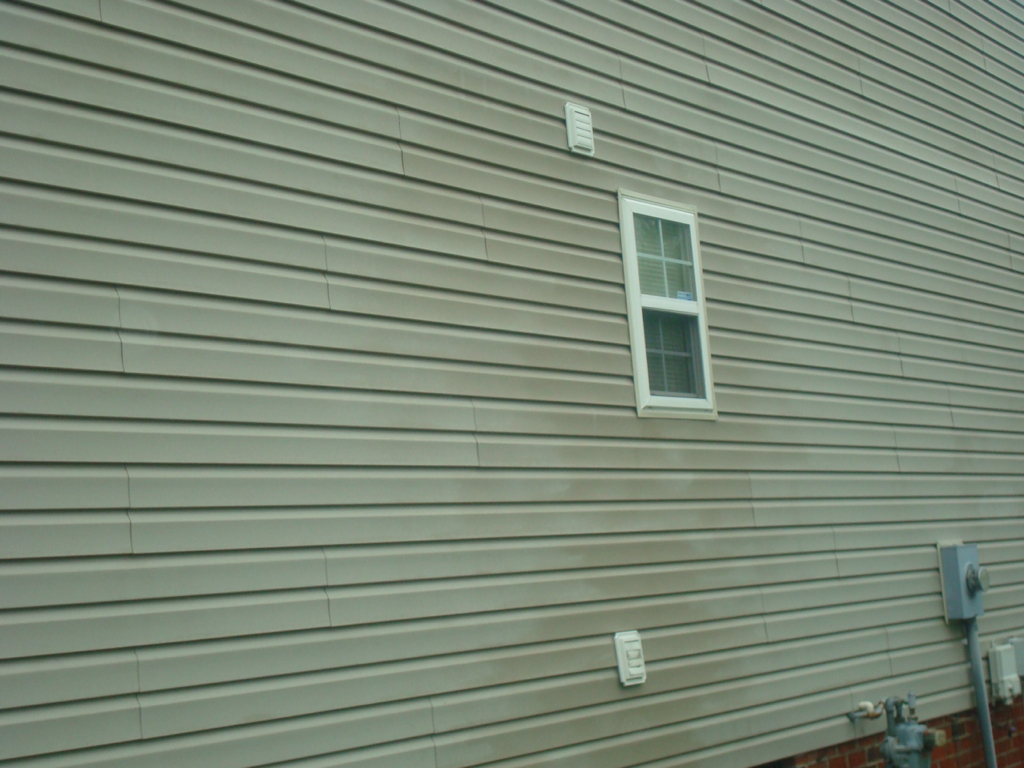
Why Your Siding Looks Dirty After Winter Even When There’s No Damage
Why Your Siding Looks Dirty After Winter Even When There’s No Damage
As spring arrives in the Quad Cities, many homeowners step outside and immediately notice something off about their home’s exterior. The siding may look dull, streaked, or discolored compared to how it looked in the fall. The first reaction is often concern about damage—but in many cases, what you’re seeing is not damage at all.
In Rock Island, Moline, Davenport, Bettendorf, and Milan, winter leaves behind a unique mix of residue that settles on siding surfaces. Snow, ice, road salt, wind, and temperature changes all contribute to a “dirty” appearance that becomes most noticeable once the snow melts and spring light returns. Understanding why siding looks this way in April helps homeowners separate cosmetic issues from real problems.
Why Winter Leaves Residue on Siding
Winter doesn’t just affect roofs and driveways.
What builds up during winter
Over several months, siding is exposed to:
Airborne dirt and dust
Road salt carried by wind
Exhaust particles from traffic
Fine debris from snowplowing
Meltwater carrying residue down walls
Much of this buildup is subtle and only becomes obvious once spring arrives.
Why Spring Sun Makes Discoloration More Visible
Lighting changes how surfaces look.
The role of spring light
In April:
Sun angles shift higher
Days get brighter and longer
Shadows become sharper
This lighting highlights streaks and film on siding that weren’t noticeable during winter’s low light conditions.
Common Types of Post-Winter Siding Residue
Not all “dirt” looks the same.
Typical spring residue patterns
Homeowners often see:
Vertical streaks beneath trim or soffits
Light gray or chalky film
Salt residue near lower wall sections
Darker patches under eaves
These patterns often reflect how snow melt and runoff moved across the siding.
Why Lower Siding Sections Look Worse
Gravity plays a role.
How runoff affects appearance
As snow melts:
Water carries residue downward
Lower siding sections collect more debris
Splash-back from the ground adds staining
This makes the bottom half of walls look dirtier even when the siding is intact.
Why This Isn’t the Same as Siding Damage
Appearance and performance are different things.
Cosmetic vs structural issues
Cosmetic residue:
Does not weaken siding panels
Does not affect attachment or alignment
Does not indicate moisture intrusion
True damage usually involves cracking, warping, loose panels, or softness—not surface film.
How Winter Conditions Contribute to Streaking
Freeze-thaw cycles affect runoff behavior.
Winter weather impact
During winter:
Ice forms along trim edges
Snow melts unevenly
Water refreezes and redirects
When melting resumes in spring, residue follows those established paths, leaving visible streaks.
Why Vinyl Siding Shows Residue More Clearly
Material finish matters.
Vinyl surface behavior
Vinyl siding:
Has a smooth surface that shows film easily
Reflects light, making streaks more noticeable
Holds residue until rinsed away
This doesn’t mean vinyl is failing—it just shows seasonal buildup clearly.
Why Power Washing Isn’t Always the First Answer
Aggressive cleaning can do more harm than good.
Risks of improper washing
Incorrect washing can:
Force water behind siding
Loosen panels or trim
Damage caulk joints
Gentle rinsing and proper techniques matter more than pressure.
When “Dirty” Siding Might Signal a Real Issue
Sometimes appearance points to something more.
When to look closer
Further evaluation is recommended if:
Staining returns quickly after cleaning
Discoloration appears in isolated patches
Soft spots or warping are present
Interior moisture symptoms appear
These may indicate drainage or ventilation issues rather than simple residue.
Why April Is the Best Time to Evaluate Siding Appearance
Spring gives the clearest view.
Benefits of April evaluation
In April:
Winter residue is fully visible
Damage isn’t hidden by snow
Repairs can be planned before summer heat
This makes spring ideal for separating cosmetic issues from functional concerns.
How Professional Inspections Approach Siding Appearance
Inspections look beyond surface dirt.
What professionals assess
A siding inspection includes:
Checking panel condition and attachment
Evaluating trim and transitions
Looking for moisture patterns
Distinguishing residue from deterioration
This ensures cleaning isn’t masking a deeper issue.
Why Local Experience Matters With Midwest Siding
Regional conditions affect exterior appearance.
A local contractor understands:
Quad Cities winter road salt usage
Wind-driven residue patterns
Typical post-winter siding behavior
That context prevents unnecessary repairs and focuses attention where it matters.
When Homeowners Should Schedule an Inspection
An exterior inspection is recommended if:
Siding looks significantly worse after winter
Discoloration seems uneven or unusual
The home hasn’t been inspected recently
You’re unsure whether cleaning is enough
An inspection provides clarity before taking action.
A Dirty Look Doesn’t Always Mean a Damaged Home
Spring residue is a normal part of Midwest winters. While it can make siding look worn, it often has no impact on performance. Knowing the difference helps homeowners focus on real issues while keeping their exterior looking its best.
Schedule a Free Siding Inspection
If you’re concerned about how your siding looks after winter and want to know whether it’s cosmetic or something more, a professional inspection can help. Twin Bridge Roofing & Construction is a licensed and insured roofing & siding contractor serving the Quad Cities, offering free, no-obligation inspections to evaluate siding condition and seasonal wear.
📞 Call or text 309-948-4126
🌐 Visit roofqc.com to schedule your inspection online
