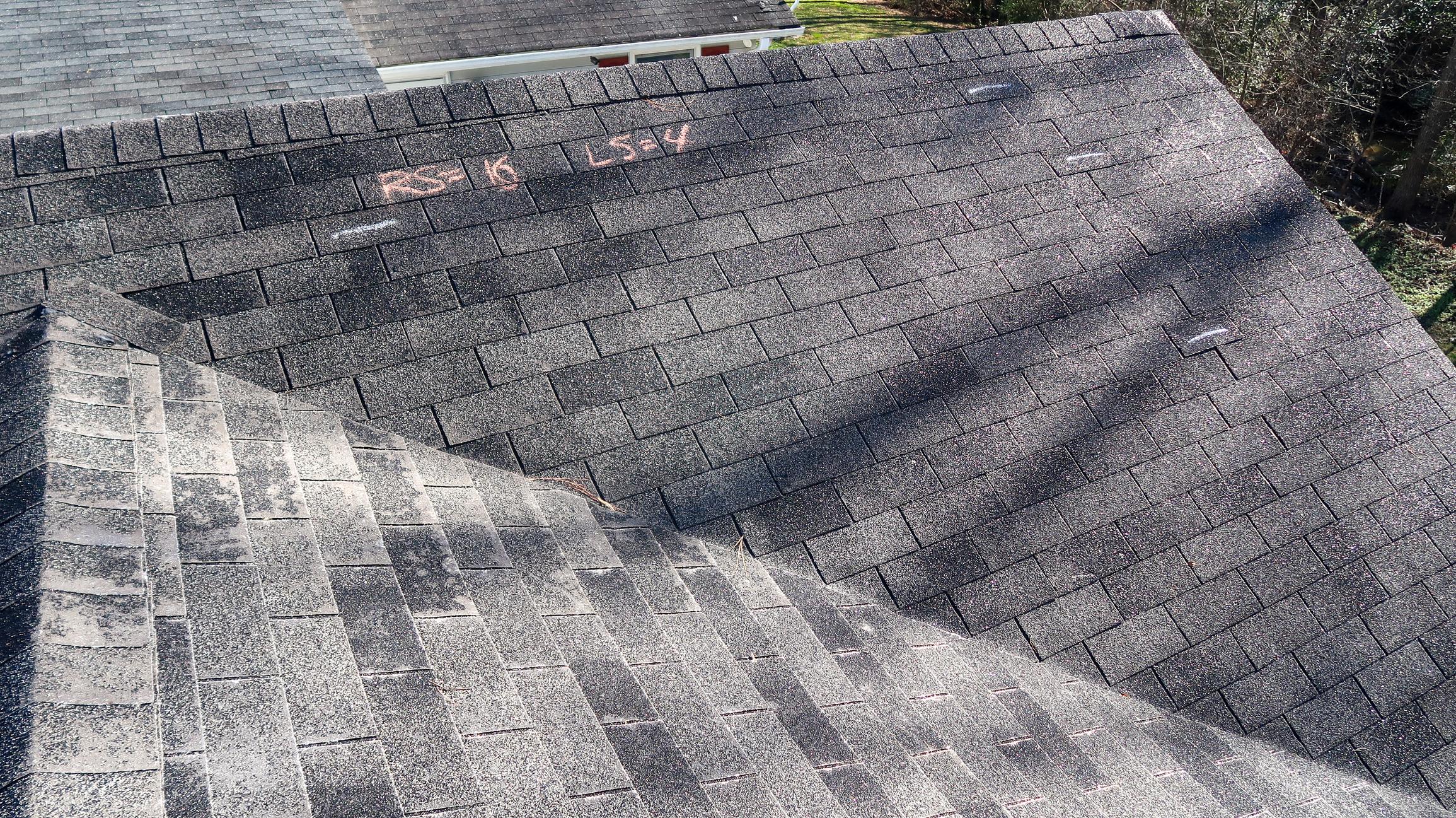
What “No Visible Damage” Really Means When Insurance Denies a Roof Claim in the Quad Cities
What “No Visible Damage” Really Means When Insurance Denies a Roof Claim in the Quad Cities
Hearing that your roof claim was denied due to “no visible damage” is one of the most frustrating experiences for homeowners. After a storm, you may know your home was hit by strong wind or hail—yet the insurance decision says otherwise.
For homeowners in Rock Island, Moline, Davenport, Bettendorf, and Milan, this phrase doesn’t always mean the roof wasn’t affected. Instead, it usually means the damage was not documented or identified in a way the insurance carrier recognizes. Understanding what “no visible damage” actually means can help homeowners make sense of the decision and avoid confusion moving forward.
Why Insurance Uses the Term “No Visible Damage”
Insurance companies rely heavily on documentation.
What insurers are really saying
When a claim is denied for no visible damage, it typically means:
The adjuster did not document qualifying damage
Damage did not meet the carrier’s definition of storm-related
Evidence could not be clearly tied to a specific event
It is a documentation-based conclusion—not necessarily a performance-based one.
Visible vs Functional Damage: A Key Difference
One of the biggest misunderstandings involves how insurance defines damage.
Visible damage
Insurance often looks for:
Broken or missing shingles
Clear impact marks
Obvious displacement
Functional damage
Roofs can still fail due to:
Hail bruising beneath the surface
Broken seal strips
Wind-loosened shingles
Compromised fasteners
Functional damage may not be obvious during a brief visual inspection.
Why Adjuster Inspections Are Limited
Insurance adjusters are often under tight constraints.
Real-world inspection limitations
Adjusters may:
Spend limited time on the roof
Inspect only certain slopes
Rely heavily on photos
Avoid invasive testing
This doesn’t mean they are careless—it reflects how the system is structured.
Why Timing Matters With “No Visible Damage” Decisions
Storm damage changes over time.
How delays affect visibility
If an inspection happens weeks or months later:
Granules may wash away
Shingles may reseat temporarily
Wind damage may blend with wear
This can make storm-related damage harder to distinguish.
How Wear and Tear Gets Confused With Storm Damage
Midwest roofs experience both aging and storms.
Why overlap causes confusion
In the Quad Cities:
Freeze-thaw cycles accelerate aging
UV exposure weakens shingles
Multiple storms occur each season
When storm damage affects an aging roof, insurers may classify it as wear if documentation is unclear.
Why “No Visible Damage” Doesn’t Mean “No Risk”
A denied claim doesn’t guarantee the roof is performing properly.
Performance concerns may still exist
Even without visible damage:
Shingles may have reduced wind resistance
Seal strips may be compromised
Water resistance may be weakened
These issues often surface later during heavy rain or future storms.
Common Scenarios Where Damage Is Missed
Certain types of storm damage are frequently overlooked.
Damage often missed during inspections
Hail bruising without surface cracks
Wind lift that reseats shingles
Fastener movement under shingles
Damage isolated to specific elevations
These issues require careful evaluation to identify.
Why Photo Documentation Is So Important
Insurance decisions are photo-driven.
What strong documentation includes
Close-up photos of damage
Pattern consistency across slopes
Notes tying damage to storm conditions
Clear location references
Without this, even legitimate damage may not be recognized.
When a “No Visible Damage” Decision Is Final
Sometimes, the denial is appropriate.
Situations where denial may stand
Storm intensity was minimal
Damage is clearly age-related
Roof condition predates the event
Understanding this helps homeowners plan realistically.
When a Denial Deserves a Second Look
Other times, homeowners are left with unanswered questions.
Reasons to seek clarification
Neighboring homes show storm repairs
Interior symptoms develop later
Damage patterns weren’t fully evaluated
The inspection felt rushed or incomplete
A professional inspection can provide clarity.
What Homeowners Should Do After a Denial
A denial doesn’t force immediate action—but it shouldn’t be ignored.
Smart next steps
Obtain an independent inspection
Document current roof condition
Monitor performance during storms
Plan maintenance or repairs proactively
This approach protects your home regardless of insurance outcomes.
Why Local Experience Matters With Insurance Decisions
Midwest storm damage behaves differently than damage in other regions.
A local contractor understands:
Quad Cities storm patterns
How wind and hail interact locally
Where damage commonly appears
That experience helps homeowners interpret insurance decisions accurately.
Insurance Is Only One Part of the Equation
Insurance decisions are administrative. Roof performance is practical.
Even when insurance says “no visible damage,” homeowners still need to ensure their roof is protecting the home properly—especially before the next Midwest storm season.
Schedule a Free Roof & Siding Inspection
If your insurance claim was denied for “no visible damage” or you’re unsure what that decision means for your home, a professional inspection can help provide clarity. Twin Bridge Roofing & Construction is a licensed and insured roofing & siding contractor serving the Quad Cities, offering free, no-obligation inspections to help homeowners understand roof condition, storm impact, and next steps.
📞 Call or text 309-948-4126
🌐 Visit roofqc.com to schedule your inspection online
