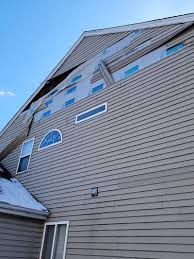
Why Wind-Exposed Elevations Wear Out Siding Faster in the Quad Cities
Why Wind-Exposed Elevations Wear Out Siding Faster in the Quad Cities
Not all sides of your home age at the same rate. In the Quad Cities, one elevation almost always shows wear sooner than the others—and the reason is usually wind exposure. Homes in Rock Island, Moline, Davenport, Bettendorf, and Milan experience frequent straight-line winds, storm fronts, and pressure changes that put constant stress on siding systems.
Over time, that repeated wind exposure causes siding on certain elevations to loosen, deform, or fail earlier, even when the rest of the home looks fine. Understanding how wind affects siding—and which sides of the home are most vulnerable—helps homeowners catch problems early and prevent moisture damage.
Why Wind Exposure Matters More Than Homeowners Realize
Wind doesn’t just push against siding once and move on. In the Midwest, wind applies repeated pressure that slowly weakens exterior systems.
How wind stresses siding
Strong and persistent winds can:
Push behind siding panels
Pull against fasteners
Flex seams and trim
Increase vibration during storms
Even when panels don’t come loose, that movement gradually reduces siding performance.
Which Elevations Take the Most Abuse
Some sides of the home are naturally more exposed than others.
Common high-stress elevations
Gable ends
Tall, uninterrupted wall sections
Sides facing open fields or roads
Elevations without trees or wind breaks
Homes on corner lots or open terrain are especially vulnerable in Quad Cities wind patterns.
How Wind Damage Develops Over Time
Siding damage caused by wind is usually progressive, not sudden.
The gradual failure pattern
Wind flexes panels repeatedly
Fasteners loosen or deform
Seams open slightly
Panels begin to rattle or shift
Moisture intrusion becomes possible
By the time siding looks obviously damaged, hidden issues may already exist.
Vinyl Siding and Wind Movement
Vinyl siding is designed to move—but only within limits.
When movement becomes a problem
Wind-exposed siding can:
Slide excessively within trim
Pull against restricted fasteners
Bow outward during gusts
Create gaps at seams and corners
Once movement exceeds design limits, siding can no longer shed water effectively.
Wind-Driven Rain and Siding Failures
Wind rarely comes alone in the Midwest—it usually brings rain with it.
Why wind-driven rain is dangerous
When rain is pushed sideways:
Water is forced behind siding seams
Trim gaps allow entry
Moisture travels downward behind panels
Even small gaps become serious during storms with the right wind direction.
Signs One Elevation Is Wearing Faster Than Others
Homeowners often notice problems on one side of the home first.
Exterior warning signs
Panels that look wavy or uneven
Loose or rattling siding in wind
Cracked or pulled trim
Caulk failing faster on one side
Dirt or staining patterns beneath seams
These issues often indicate ongoing wind stress.
Interior Clues Linked to Wind-Exposed Siding
Siding problems don’t always stay outside.
Interior signs to watch for
Drafts near exterior walls
Uneven room temperatures
Musty odors after storms
Moisture stains near wall edges
These symptoms often trace back to siding that can no longer block air and water effectively.
Why Wind Damage Is Often Missed During Casual Inspections
From the ground, siding may still look “attached.”
Why problems go unnoticed
Panels reseat after gusts
Damage occurs behind panels
Issues only appear during wind
Homeowners assume noise is normal
In reality, siding should not move excessively or rattle during storms.
How Professional Inspections Identify Wind Stress
A professional siding inspection looks for movement patterns, not just broken pieces.
What inspectors evaluate
Panel fastening and alignment
Seam engagement
Trim interaction with siding
Wind-exposed elevations
Signs of moisture intrusion
This approach identifies problems before panels fail completely.
Why Repairs on One Elevation Matter
Ignoring siding problems on one side of the home can lead to bigger issues.
Risks of delayed repairs
Moisture trapped behind siding
Insulation degradation
Mold potential inside wall cavities
Structural wood damage
Addressing wind-stressed siding early often prevents widespread replacement later.
Local Experience Makes Wind Issues Easier to Spot
Wind patterns vary by region. A local contractor understands:
Typical Quad Cities wind directions
Which elevations fail first
How open terrain affects siding wear
That experience leads to more accurate inspections and better repair strategies.
Preventing Premature Siding Wear
While wind can’t be stopped, damage can be limited.
Preventative strategies include
Correct fastener placement
Proper trim clearances
Reinforcing wind-exposed elevations
Addressing early movement issues
These steps extend siding lifespan significantly in Midwest conditions.
Schedule a Free Siding Inspection
If one side of your home looks more worn, loose, or noisy during storms, wind exposure may be the cause. Twin Bridge Roofing & Construction is a licensed and insured roofing & siding contractor serving the Quad Cities, offering free, no-obligation siding inspections to identify wind-related wear before moisture damage develops.
📞 Call or text 309-948-4126 to schedule your inspection
🌐 Visit roofqc.com to request an appointment online
