Why One Side of Your Home’s Siding Fades Faster in the Quad Cities
Why One Side of Your Home’s Siding Fades Faster in the Quad Cities
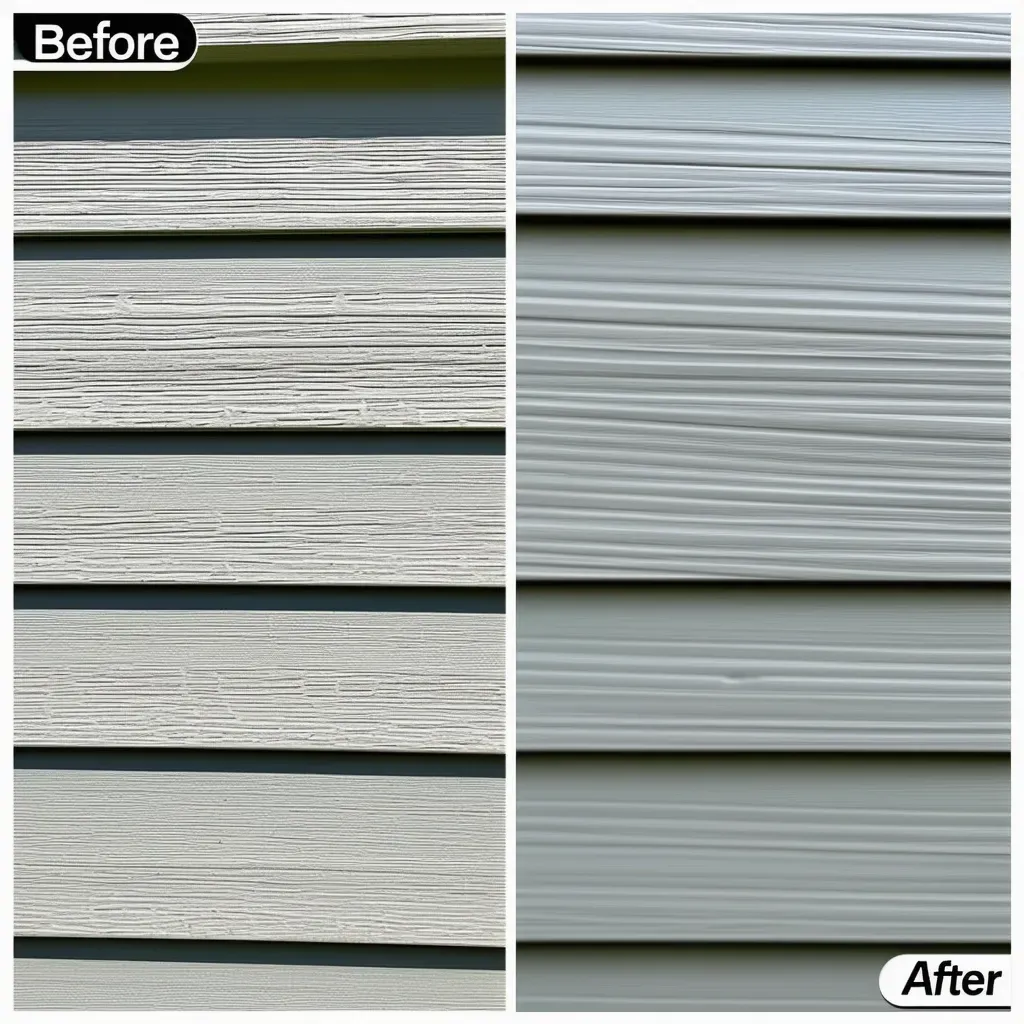
Many Quad Cities homeowners eventually notice something puzzling: one side of the house looks noticeably more faded than the others. The siding may still be intact, properly attached, and free of cracks—but the color just doesn’t match anymore.
In Rock Island, Moline, Davenport, Bettendorf, and Milan, this is almost always the result of uneven sun exposure combined with Midwest weather patterns. While fading may seem cosmetic at first, it often signals deeper material stress that can affect long-term siding performance.
Understanding why siding fades unevenly—and what it can indicate—helps homeowners decide when monitoring is enough and when professional evaluation makes sense.
Why Sun Exposure Matters More Than Homeowners Expect
Sunlight does more than warm exterior surfaces.
What UV radiation does to siding
Ultraviolet (UV) rays:
Break down pigments in siding
Dry out vinyl over time
Reduce surface flexibility
Accelerate aging
In the Midwest, long summer days combined with high humidity intensify this effect.
Why South- and West-Facing Elevations Fade First
Not all sides of a home receive equal sunlight.
High-exposure elevations
In the Quad Cities, siding fades fastest on:
South-facing walls
West-facing walls
Tall, unobstructed elevations
Areas without tree cover
These sides receive the strongest and longest daily sun exposure.
How Heat Amplifies UV Damage
UV exposure and heat work together.
The heat factor
During summer:
Sun-exposed siding heats up significantly
Vinyl expands more aggressively
Surface oils migrate and evaporate
Repeated heating weakens material structure
Over time, this causes fading and brittleness.
Why Fading Is Often Uneven Within the Same Wall
Even on one elevation, fading may vary.
Causes of uneven fading
Partial shade from trees or buildings
Reflected heat from pavement or nearby surfaces
Differences in airflow and drying
Variations in installation tension
These factors create inconsistent aging patterns.
Cosmetic Fading vs Material Degradation
Not all fading is purely cosmetic.
When fading is mostly cosmetic
Color lightens evenly
Panels remain flexible
No cracking or distortion
When fading signals deeper issues
Chalky residue on the surface
Increased brittleness
Micro-cracks forming
Panels warping or pulling at seams
These signs indicate material fatigue.
Why Midwest Winters Worsen Sun Damage
Sun-damaged siding becomes more vulnerable in winter.
Freeze-thaw impact
When siding loses flexibility:
Cold temperatures make panels brittle
Expansion and contraction increase stress
Small flaws turn into cracks
Winter often reveals damage that summer heat created.
Why Faded Siding Can Affect Home Value
Uneven siding appearance impacts more than aesthetics.
Real-world implications
Reduced curb appeal
Visible mismatched repairs
Difficulty matching replacement panels
Perception of aging exterior
These factors can affect resale and appraisal impressions.
Why Panel Replacement Is Harder With Fading
Color fading complicates repairs.
Matching challenges
Even if the original siding is still manufactured:
New panels may not match faded ones
Sun-exposed sides may differ dramatically
Partial replacements may stand out
This is why early documentation and inspection matter.
Interior Clues Linked to Sun-Stressed Siding
Sun exposure affects performance as well as appearance.
Interior warning signs
Warmer rooms on sun-exposed sides
Increased cooling costs
Drafts near exterior walls
Inconsistent indoor comfort
These signs may indicate siding no longer insulates or seals effectively.
Why Homeowners Often Ignore Fading Too Long
Fading happens gradually.
Common reasons it’s overlooked
No immediate leaks
Damage feels cosmetic
Changes occur over years
Focus remains on roofing or gutters
By the time performance issues appear, repairs may be more extensive.
How Professional Inspections Evaluate Sun Damage
A siding inspection goes beyond color changes.
What professionals assess
Panel flexibility and brittleness
Seam and lock integrity
Heat-related warping
Fastener stress points
Moisture vulnerability
This helps determine whether fading is harmless or a warning sign.
When Monitoring Is Enough—and When It’s Not
Not all fading requires immediate action.
Monitoring may be appropriate when
Panels remain flexible
No cracks or distortion exist
Performance is unaffected
Inspection is recommended when
Panels feel brittle
Cracks or warping appear
Interior comfort changes
Repairs or replacements are being considered
Knowing the difference prevents over- or under-reacting.
Why Local Experience Matters With Siding Fade
Midwest sun exposure patterns vary by region.
A local contractor understands:
Quad Cities sun angles
Seasonal heat intensity
How fading interacts with winter stress
That experience leads to realistic recommendations.
Schedule a Free Siding Inspection
If one side of your home looks significantly more faded—or if you’re concerned about long-term siding performance—a professional inspection can help determine whether the issue is cosmetic or structural. Twin Bridge Roofing & Construction is a licensed and insured roofing & siding contractor serving the Quad Cities, offering free, no-obligation siding inspections to evaluate sun-related wear and material condition.
📞 Call or text 309-948-4126 to schedule your inspection
🌐 Visit roofqc.com to request an appointment online
