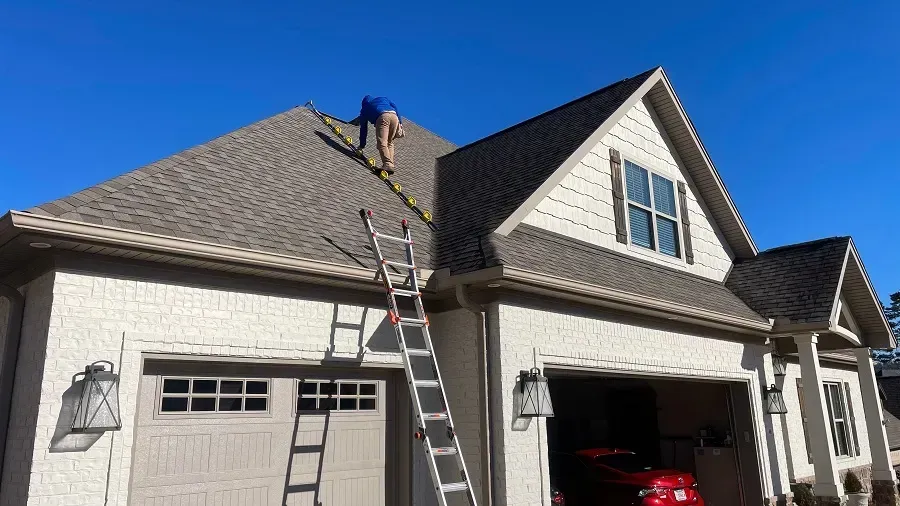
What a Professional Exterior Inspection Actually Covers (and Why It Matters)
What a Professional Exterior Inspection Actually Covers (and Why It Matters)
Many homeowners hear the phrase “free inspection” and assume it means someone glances at the roof, takes a few photos, and leaves. In reality, a professional exterior inspection—when done correctly—covers far more than just shingles. In the Midwest, where homes endure wind, hail, snow, ice, humidity, and rapid temperature swings, a thorough inspection looks at the entire exterior system.
For homeowners in Rock Island, Moline, Davenport, Bettendorf, and Milan, understanding what a real exterior inspection includes helps set expectations and ensures problems are caught early—before they turn into leaks, rot, or interior damage.
Why Exterior Inspections Are Especially Important in the Midwest
Midwest weather doesn’t usually cause instant, obvious failure. Instead, it creates progressive damage.
What Midwest homes endure
Throughout the year, Quad Cities homes face:
Freeze-thaw cycles that widen small gaps
Wind uplift that loosens fasteners and seal strips
Hail that weakens materials internally
Heavy rain that tests flashing and drainage
Snow and ice that stress roof edges
A proper inspection evaluates how these forces affect the entire exterior—not just one component.
The Roof: More Than Just Shingles
A professional inspection starts with the roof, but it goes beyond surface appearance.
What’s evaluated on the roof
Shingle condition and adhesion
Seal strip integrity
Evidence of wind lift or creasing
Granule loss patterns
Nail pops or exposed fasteners
Inspectors also look for patterns of wear, which often reveal storm or ventilation issues.
Flashing and Penetrations: The Highest-Risk Areas
Flashing protects the most vulnerable transition points.
Common flashing inspection points
Chimneys
Roof-to-wall intersections
Plumbing vent pipes
Valleys
Skylights
These areas are responsible for a large percentage of Midwest roof leaks, especially during wind-driven rain.
Roof Edges, Eaves, and Gutters
Roof edges are where many problems begin.
What professionals check
Drip edge installation and condition
Fascia and soffit integrity
Gutter attachment and slope
Signs of ice dam damage
Problems here often explain interior staining or moisture near exterior walls.
Siding: Appearance vs Performance
Siding inspections focus on function, not just looks.
What siding inspections evaluate
Panel fastening and movement
Seam alignment and locking
Trim and J-channel condition
Cracks, holes, or warping
Signs of moisture entry
Even small siding issues can allow water behind the wall system during Midwest storms.
Windows, Doors, and Trim
Exterior openings are common moisture entry points.
Inspection focus areas
Caulk condition
Flashing integration
Trim attachment
Gaps created by expansion or settling
Water entering here often travels downward before appearing inside, making early detection important.
Attic and Ventilation Indicators
While inspections are exterior-focused, attic conditions often reveal exterior issues.
Signs inspectors look for
Moisture staining on decking
Rusted fasteners
Insulation compression
Ventilation imbalance
These clues help determine whether problems originate from leaks, condensation, or ventilation issues.
Storm Damage Documentation
Professional inspections document damage clearly.
Why documentation matters
Establishes a timeline
Differentiates storm damage from wear
Supports insurance decisions if needed
Helps homeowners understand severity
Even if no claim is filed, documentation provides a baseline for future reference.
What Inspections Don’t Include
A professional inspection isn’t a sales pitch or a commitment.
What homeowners should expect
Honest condition assessment
Clear explanation of findings
Photos when relevant
No pressure to file claims or commit to work
The goal is clarity and prevention—not urgency.
Why “Free” Doesn’t Mean “Basic”
A quality inspection takes time and experience.
The value of a thorough inspection
Identifies hidden issues early
Prevents interior damage
Helps homeowners plan maintenance
Reduces emergency repairs
In the Midwest, catching problems early is almost always less expensive than reacting later.
Why Local Experience Matters
Exterior inspections aren’t one-size-fits-all.
A local contractor understands:
Quad Cities storm patterns
Common failure points on local home styles
How seasonal weather compounds damage
Which issues are likely to worsen
That experience leads to more accurate evaluations and better long-term outcomes.
When Homeowners Should Schedule an Inspection
Inspections are especially valuable:
After major storms
Before seasonal weather changes
When selling or buying a home
If unexplained interior moisture appears
When the roof or siding is aging
Regular inspections help homeowners stay ahead of problems.
Schedule a Free Exterior Inspection
If you want a clear, professional understanding of your roof and siding condition, a full exterior inspection is a smart step. Twin Bridge Roofing & Construction is a licensed and insured roofing & siding contractor serving the Quad Cities, offering free, no-obligation exterior inspections to help homeowners protect their investment.
📞 Call or text 309-948-4126 to schedule your inspection
🌐 Visit roofqc.com to request an appointment online
