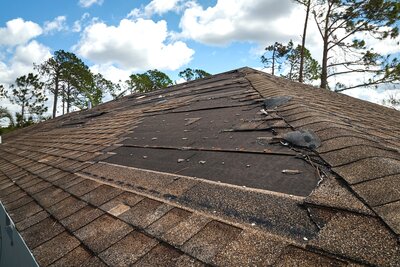
Why Roof Edges Fail First in Midwest Weather
Why Roof Edges Fail First in Midwest Weather
When roof problems begin, they rarely start in the middle of the roof. In the Midwest—and especially in the Quad Cities—roof edges and eaves are almost always the first areas to fail. These sections take the full impact of wind, snow, ice, and water runoff, making them the most vulnerable parts of the roofing system.
For homeowners in Rock Island, Moline, Davenport, Bettendorf, and Milan, understanding why roof edges fail first can help prevent leaks, wood rot, and interior damage before they spread.
Roof Edges Take the Brunt of Midwest Weather
Roof edges sit at the intersection of multiple forces.
What roof edges are exposed to
In Illinois and Iowa, roof edges face:
Wind uplift from storms and cold fronts
Ice buildup during winter
Snow melt refreezing at eaves
Heavy spring rain runoff
Summer heat that dries materials unevenly
These conditions place constant stress on shingles, flashing, and fascia at the roofline.
Ice Dams and Their Long-Term Impact
Ice dams are one of the most damaging winter-related issues in the Midwest.
How ice dams form
Ice dams develop when:
Warm attic air melts snow higher on the roof
Meltwater flows down toward the eaves
Cold eaves cause water to refreeze
Ice blocks normal drainage
Once ice forms, water backs up under shingles and into the roof system.
Why ice dams damage roof edges
Repeated ice dam cycles can:
Loosen shingles at the eaves
Saturate roof decking
Damage fascia and soffit boards
Create hidden moisture that shows up later
Even after the ice melts, the damage often remains.
Wind Uplift Hits Edges First
Wind behaves differently at roof edges than on open roof fields.
Why edges are more vulnerable
Wind creates suction at:
Eaves
Rakes
Corners
This suction lifts shingle edges repeatedly, weakening seal strips over time. Even if shingles don’t blow off, their ability to stay sealed is reduced.
Drip Edge: Small Component, Big Job
Drip edge is a metal flashing installed along roof edges.
What drip edge does
Drip edge:
Directs water away from fascia
Prevents capillary water movement
Protects roof decking edges
Helps control wind-driven rain
When drip edge is missing, damaged, or improperly installed, water can work its way into the roof structure.
Fascia and Soffit Damage Starts at the Edge
Roof edge failures don’t stop at shingles.
How fascia and soffits are affected
When water spills over gutters or backs up under shingles:
Fascia boards remain wet
Paint and finishes break down
Wood rot can develop
Soffit vents may be compromised
These issues often go unnoticed until staining or sagging becomes visible.
Why Spring Is When Edge Damage Shows Up
Winter creates the damage, but spring reveals it.
Spring warning signs
Homeowners often notice:
Peeling paint on fascia
Sagging gutters
Water stains near rooflines
Shingles lifting at eaves
Heavy spring rain tests every weak point created during winter.
The Role of Ventilation in Roof Edge Failures
Attic ventilation plays a major role in roof edge health.
Poor ventilation contributes to:
Uneven roof temperatures
Increased ice dam formation
Excess moisture at roof edges
Balanced ventilation helps keep roof temperatures more consistent, reducing stress at the eaves.
Why Small Edge Issues Escalate Quickly
Roof edges are a gateway for larger problems.
The escalation pattern
Minor shingle lift or flashing gap
Water intrusion during storms
Moisture saturation of decking
Rot or mold development
Interior ceiling or wall damage
Addressing issues early is far less expensive than repairing widespread damage.
What Homeowners Can Check Safely
You don’t need to climb on the roof to spot edge problems.
Ground-level checks
Look for uneven shingle lines at eaves
Watch gutters during heavy rain
Check for peeling paint or dark stains on fascia
Listen for dripping sounds during storms
These signs often indicate developing edge failures.
Why Professional Inspections Matter
Edge problems are easy to miss from the ground.
A professional inspection evaluates
Shingle adhesion at eaves
Drip edge condition
Fascia and soffit integrity
Gutter attachment and slope
Signs of hidden moisture
Catching issues early prevents structural repairs later.
Local Experience Makes a Difference
Midwest roof edges fail in predictable ways. A local contractor understands:
Quad Cities wind and snow patterns
Common eave failures on local homes
How seasonal weather compounds damage
That experience leads to more accurate assessments and durable solutions.
Schedule a Free Roof Edge Inspection
If you’ve noticed sagging gutters, lifting shingles, or stains near your roofline, a professional inspection can help prevent bigger problems. Twin Bridge Roofing & Construction is a licensed and insured roofing & siding contractor serving the Quad Cities, offering free, no-obligation roof inspections to identify roof edge and eave issues early.
📞 Call or text 309-948-4126 to schedule your inspection
🌐 Visit roofqc.com to request an appointment online
