Why Roof Valleys Are One of the First Places Roofs Fail in the Midwest
Why Roof Valleys Are One of the First Places Roofs Fail in the Midwest
If you were to map where roof leaks most often start, roof valleys would be at the top of the list—especially in Midwest climates like the Quad Cities. Valleys handle more water than any other part of the roof, and when they fail, damage can spread quickly.
For homeowners in Rock Island, Moline, Davenport, Bettendorf, and Milan, understanding how roof valleys work—and why they’re so vulnerable—can help prevent leaks, decking damage, and costly repairs.
What a Roof Valley Actually Does
A roof valley is where two roof slopes meet, forming a channel that directs water downward.
Why valleys matter so much
Valleys:
Collect runoff from multiple roof planes
Handle higher water volume than shingles alone
Direct rain, snowmelt, and debris
Act as a primary drainage pathway
When valleys perform correctly, water moves off the roof efficiently. When they fail, water has nowhere safe to go.
Why Midwest Weather Is Hard on Roof Valleys
Roof valleys face constant exposure to Midwest conditions.
Regional stress factors
In the Quad Cities, valleys must handle:
Heavy spring rain
Wind-driven storms
Snow accumulation and melt
Ice refreezing overnight
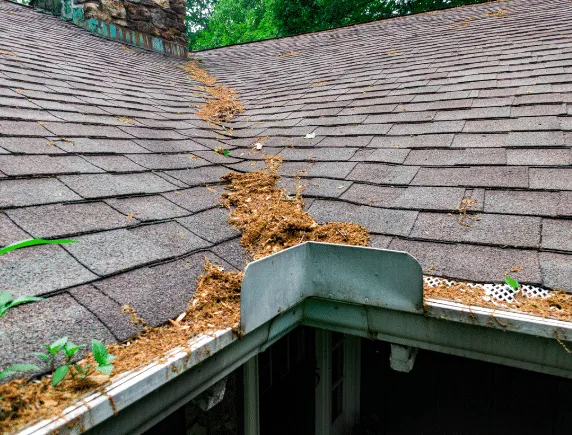
Leaf and debris buildup
Each of these stresses compounds over time.
Water Volume: The Valley’s Biggest Enemy
Water concentration is what makes valleys risky.
How water overload happens
During storms:
Multiple roof planes drain into one valley
Water moves faster and with more force
Wind pushes rain sideways into seams
Even small installation flaws become serious when exposed to this volume of water.
Ice Dams and Valley Damage
Ice dams don’t only affect roof edges.
How ice impacts valleys
When snow melts and refreezes in valleys:
Ice blocks normal drainage
Water backs up under shingles
Flashing stays wet for extended periods
Repeated freeze-thaw cycles accelerate deterioration in valley materials.
Debris Buildup Accelerates Valley Failure
Valleys naturally collect debris.
Common debris problems
Leaves, twigs, and granules can:
Trap moisture against shingles
Slow water movement
Increase ice formation
Hide early signs of damage
Debris buildup often causes damage long before leaks appear inside.
Valley Flashing: A Critical Component
Most valleys rely on metal flashing beneath shingles.
Why flashing fails
Flashing issues may result from:
Improper overlap
Corrosion over time
Thermal expansion and contraction
Fasteners loosening
Once flashing is compromised, water can enter the roof system quickly.
Open vs Closed Valleys in Midwest Homes
Different valley styles behave differently.
Open valleys
Expose metal flashing
Shed debris more easily
Require precise installation
Closed valleys
Covered by shingles
Look seamless
Can trap debris if improperly installed
Both styles can perform well—but only when installed correctly.
Why Valley Leaks Travel Before Showing Up
Valley leaks are often deceptive.
Why leaks appear far from the source
Water entering a valley can:
Travel along underlayment
Follow roof decking seams
Appear several feet away inside
This makes valley leaks harder to diagnose without professional inspection.
Exterior Signs of Valley Problems
Homeowners can sometimes spot valley issues early.
What to look for
Discolored or uneven shingles in valleys
Granule buildup in gutters
Shingles lifting near the valley line
Rust staining near flashing
These signs often appear before interior leaks.
Interior Warning Signs Linked to Valleys
Valley failures often produce subtle interior clues.
Interior signs
Ceiling stains near roof intersections
Moist smells after heavy rain
Attic insulation dampness
Repeating leaks in the same area
These symptoms frequently point back to valley drainage issues.
Why Valley Problems Escalate Quickly
Valleys don’t tolerate neglect well.
Escalation pattern
Minor flashing or shingle issue
Water intrusion during storms
Decking saturation
Rot or mold development
Interior damage
Because valleys handle so much water, damage spreads faster than in other roof areas.
How Professional Inspections Evaluate Valleys
Valleys require close, careful inspection.
What professionals assess
Shingle condition along the valley line
Flashing exposure and overlap
Debris accumulation
Signs of ice dam impact
Water flow patterns
Early detection often limits repairs to small sections.
Why Valley Repairs Are Time-Sensitive
Delaying valley repairs increases risk.
Risks of waiting
Underlayment deterioration
Decking rot
Expanded repair areas
Higher replacement costs
Valley repairs are almost always less expensive when handled early.
Local Experience Makes Valley Issues Easier to Spot
Midwest valleys fail in predictable ways. A local contractor understands:
Quad Cities rainfall intensity
Typical debris patterns
Ice dam behavior in valleys
That experience leads to accurate diagnosis and durable repairs.
Schedule a Free Roof Valley Inspection
If you’ve noticed stains, debris buildup, or recurring leaks near roof intersections, your valleys may need attention. Twin Bridge Roofing & Construction is a licensed and insured roofing & siding contractor serving the Quad Cities, offering free, no-obligation roof inspections to identify valley issues before they cause interior damage.
📞 Call or text 309-948-4126 to schedule your inspection
🌐 Visit roofqc.com to request an appointment online
