When Siding Damage Is Cosmetic — and When It’s Not
When Siding Damage Is Cosmetic — and When It’s Not
After a storm or long Midwest winter, many Quad Cities homeowners notice small marks, dents, or cracks in their siding and assume it’s “just cosmetic.” In some cases, that’s true. In others, what looks like a minor exterior flaw is actually a warning sign of deeper moisture or structural problems.
Understanding the difference between cosmetic siding damage and functional siding damage is critical for homeowners in Rock Island, Moline, Davenport, Bettendorf, and Milan—especially in a region where wind, hail, freezing temperatures, and heavy rain all play a role in exterior wear.
This guide explains how to tell the difference and why it matters for long-term protection.
What “Cosmetic Damage” Really Means
Cosmetic siding damage affects appearance but does not immediately impact the siding’s ability to protect the home.
Common examples of cosmetic damage
Small dents from light hail
Minor scuffs or surface scratches
Slight color fading from sun exposure
Tiny chips that don’t penetrate the panel
In these cases, the siding may still be shedding water properly and protecting the wall system underneath.
What Makes Damage Functional Instead of Cosmetic
Functional damage affects the siding’s ability to keep moisture, air, and pests out of the home.
Signs damage is functional
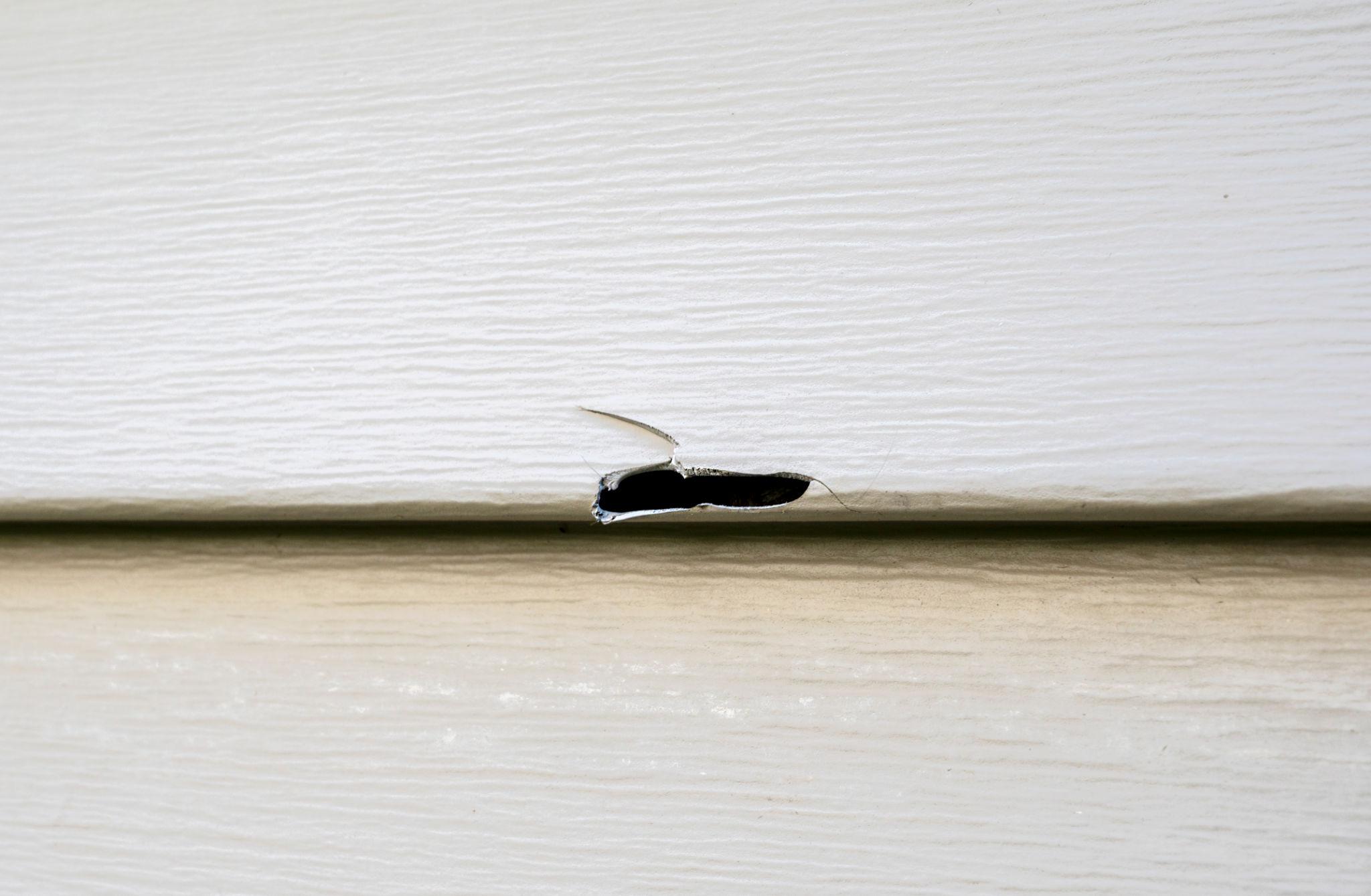
Cracks that go through the panel
Holes or punctures from impact
Panels pulled loose from fasteners
Seams that no longer lock together
Warping that creates visible gaps
Once siding is compromised functionally, moisture intrusion becomes much more likely.
Why Midwest Weather Turns Small Damage Into Big Problems
In milder climates, cosmetic damage may stay cosmetic for years. In Illinois and Iowa, that’s rarely the case.
Freeze-thaw cycles
When moisture enters a crack or opening:
It freezes and expands
The opening widens slightly
Fasteners loosen
Panels shift over time
This cycle repeats every winter and spring, gradually worsening the damage.
Wind-driven rain
Quad Cities storms often bring strong winds that push rain sideways. Even small siding gaps can allow water to enter behind panels during these events.
Hail Damage: Not Always Just a Dent
Hail is one of the most misunderstood causes of siding damage.
Cosmetic hail damage
Shallow dents with no cracking
No displacement of panels
No exposure of underlying layers
Functional hail damage
Cracked or fractured siding
Broken panel edges
Damage near seams or fasteners
Holes that expose house wrap
Functional hail damage allows water to bypass the siding and reach the wall system.
Wind Damage and Loose Panels
Wind damage often goes unnoticed until siding starts to move.
How wind affects siding
Strong gusts can:
Pull panels partially out of position
Loosen fasteners
Open seams at corners and trim
Once panels move, water entry becomes much easier—especially during future storms.
The Hidden Risk: Moisture Behind the Siding
The biggest danger of functional siding damage isn’t what you see—it’s what happens behind the panels.
What moisture can do
When water gets behind siding, it can:
Soak insulation
Degrade house wrap
Cause wood rot
Encourage mold growth
These issues often remain hidden until interior symptoms appear.
Interior Clues That Siding Damage May Be Serious
Homeowners sometimes notice interior changes without connecting them to siding.
Warning signs inside the home
Musty odors near exterior walls
Peeling paint or bubbling drywall
Cold drafts along walls
Unexpected increases in heating or cooling bills
These symptoms often indicate moisture or air infiltration through compromised siding.
Why Insurance May Treat Cosmetic and Functional Damage Differently
Insurance policies often distinguish between cosmetic and functional damage.
Why classification matters
Cosmetic damage may not be covered
Functional damage that affects performance often is
Documentation and timing are critical
A professional inspection helps determine how damage should be classified and documented.
Why Professional Inspections Matter
From the ground, it’s hard to tell whether damage is superficial or serious.
What professionals look for
Panel integrity and fastening
Seam engagement
Signs of moisture intrusion
Damage patterns consistent with storms
An inspection provides clarity before problems worsen.
Local Experience Makes the Difference
Midwest siding issues are shaped by regional weather patterns. A local contractor understands:
How Quad Cities storms affect siding systems
Common failure points on local home styles
When damage is likely to spread
That knowledge leads to more accurate evaluations and longer-lasting solutions.
Schedule a Free Siding Inspection
If you’ve noticed dents, cracks, or loose siding—or if you’re unsure whether damage is cosmetic or functional—a professional inspection can help you decide what to do next. Twin Bridge Roofing & Construction is a licensed and insured roofing & siding contractor serving the Quad Cities, offering free, no-obligation siding inspections for local homeowners.
📞 Call or text 309-948-4126 to schedule your inspection
🌐 Visit roofqc.com to request an appointment online
