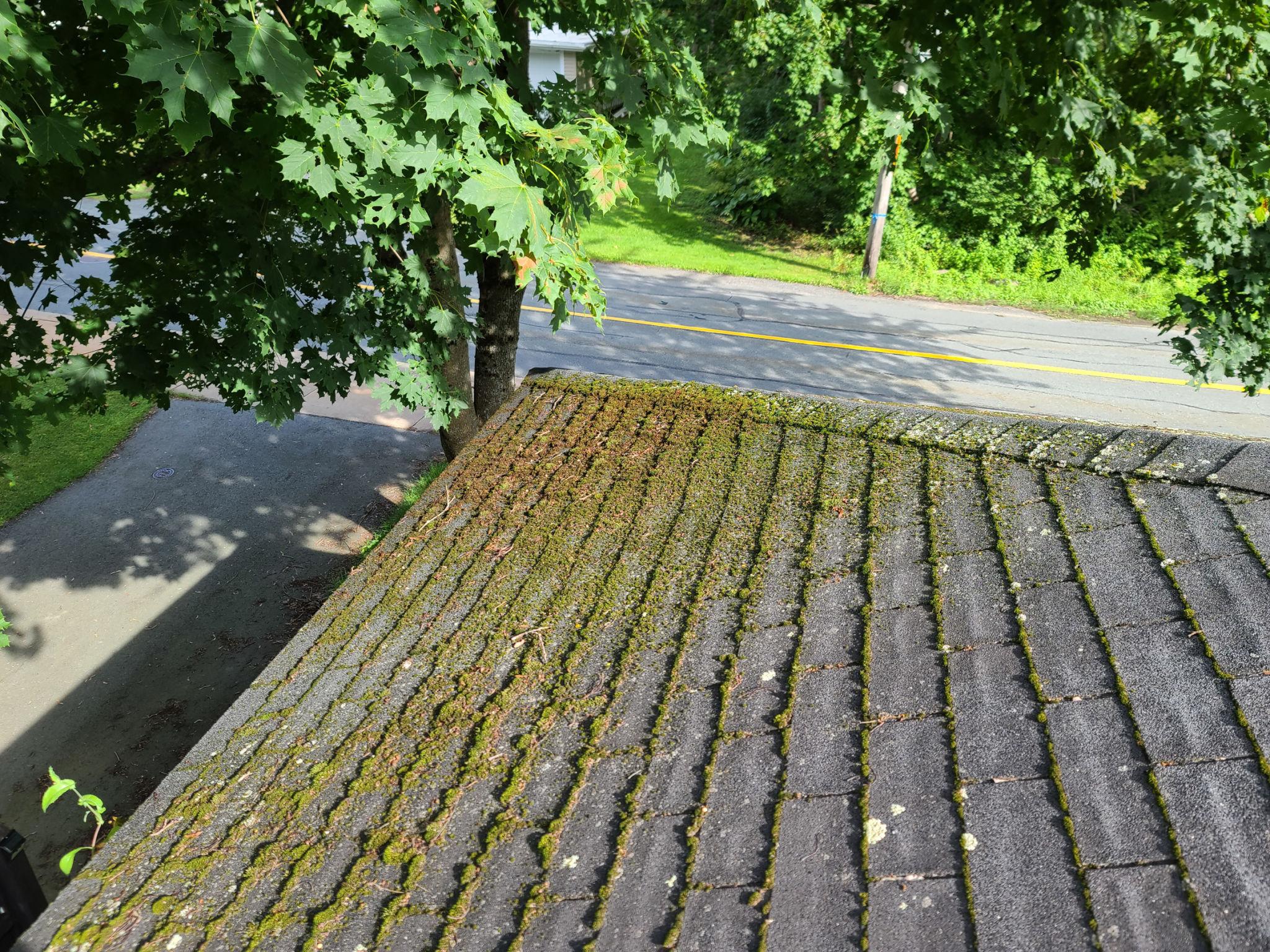
What Spring Algae and Moisture Streaks on Quad Cities Roofs Are Really Telling Homeowners
What Spring Algae and Moisture Streaks on Quad Cities Roofs Are Really Telling Homeowners
As temperatures rise in April across the Quad Cities, many homeowners notice dark streaks, discoloration, or uneven shading appearing on their roofs. These marks often become more visible after winter snow melts and spring rain settles in. While they’re commonly dismissed as cosmetic issues, spring algae and moisture streaks often signal underlying roof conditions that deserve attention.
In Rock Island, Moline, Davenport, Bettendorf, and Milan, Midwest humidity, tree coverage, and seasonal moisture create ideal conditions for algae growth on asphalt shingles. Understanding what these streaks mean—and when they matter—helps homeowners protect their roof before summer heat and storms accelerate damage.
Why Roof Algae Becomes Visible in Spring
Roof algae doesn’t suddenly appear overnight.
What changes in April
During spring:
Snow and ice melt off roof surfaces
Daytime temperatures rise
Moisture lingers longer on shaded slopes
Sunlight increases biological activity
These conditions make algae growth more noticeable, especially on roofs that stayed damp through winter.
What Causes Black or Dark Roof Streaks
Those streaks aren’t dirt or mold.
The real culprit
Most dark roof streaks are caused by:
Airborne algae spores
Moisture retention on shingles
Shaded or north-facing roof slopes
Algae feeds on the limestone filler used in many asphalt shingles, allowing it to spread slowly across the surface.
Why Midwest Homes Are More Prone to Roof Algae
Roof algae is especially common in the Midwest.
Quad Cities risk factors
Local homes often experience:
High humidity in spring and summer
Tree-lined neighborhoods
Slower roof drying times
Frequent spring rainfall
These factors allow algae to establish and spread more easily than in dry climates.
Why Algae Streaks Aren’t Always “Just Cosmetic”
While algae doesn’t always cause immediate leaks, it can still affect roof performance.
Long-term effects of algae growth
Over time, algae can:
Trap moisture against shingles
Accelerate granule loss
Reduce shingle lifespan
Mask underlying roof issues
Roofs with heavy algae growth often age faster than clean, well-drained roofs.
Moisture Streaks vs Algae: Knowing the Difference
Not all roof streaks are algae.
Moisture-related streaking
Some discoloration is caused by:
Water runoff patterns
Slow-drying roof sections
Poor ventilation below the roof
These streaks often indicate areas where moisture consistently lingers.
Why Shaded Roof Slopes Show More Spring Streaking
Sun exposure plays a major role.
High-risk roof areas
Algae and moisture streaks are most common on:
North-facing slopes
Roof sections shaded by trees
Areas near valleys or dormers
Lower roof sections with limited airflow
These areas dry more slowly, creating ideal conditions for growth.
How Algae and Moisture Affect Shingle Integrity
Moisture retention weakens shingles gradually.
What happens beneath the surface
Extended dampness can:
Soften asphalt compounds
Loosen protective granules
Reduce shingle flexibility
This makes shingles more vulnerable to wind and heat later in the year.
Why Pressure Washing Roofs Is a Bad Idea
Spring cleaning often leads homeowners to consider pressure washing.
Why pressure washing causes damage
High-pressure cleaning can:
Strip granules from shingles
Shorten roof lifespan
Void manufacturer warranties
Force water beneath shingles
Roof algae requires gentle treatment—not aggressive cleaning.
How Professional Inspections Evaluate Roof Streaking
Not all streaks require action, but they should be evaluated.
What inspectors look for
A professional inspection assesses:
Pattern and severity of streaking
Granule condition beneath algae
Moisture retention zones
Ventilation performance
Overall shingle health
This helps determine whether streaks are cosmetic or performance-related.
Why Spring Is the Best Time to Address These Issues
April is an ideal time for evaluation.
Benefits of early assessment
Spring inspections:
Catch moisture issues before summer heat
Prevent accelerated aging
Identify ventilation or drainage concerns
Reduce future storm vulnerability
Waiting until summer often allows damage to progress.
Interior Signs That May Accompany Roof Moisture Issues
Roof moisture problems can affect the home interior.
Interior warning signs
Homeowners may notice:
Elevated indoor humidity
Musty attic odors
Uneven indoor temperatures
Early signs of condensation
These symptoms often align with exterior moisture retention.
Why Local Experience Matters With Roof Algae
Algae patterns vary by region.
A local contractor understands:
Quad Cities humidity cycles
Tree coverage impact
Common roof slope problem areas
That knowledge leads to accurate recommendations, not unnecessary treatments.
When Homeowners Should Schedule an Inspection
A spring roof inspection is recommended if:
Dark streaks appear or worsen
Roof slopes stay damp longer than others
The roof is over 8–10 years old
Spring rain reveals uneven drying
Early evaluation helps preserve roof life.
Spring Roof Streaks Are a Message—Not Just a Mark
Algae and moisture streaks aren’t just visual changes. In many cases, they’re early indicators of how well your roof sheds moisture and handles seasonal stress. Addressing them early keeps small issues from turning into larger ones.
Schedule a Free Roof Inspection
If you’re noticing dark streaks, moisture patterns, or uneven discoloration on your roof this spring, a professional inspection can help determine what’s cosmetic and what needs attention. Twin Bridge Roofing & Construction is a licensed and insured roofing & siding contractor serving the Quad Cities, offering free, no-obligation inspections to evaluate roof condition, moisture retention, and long-term performance.
📞 Call or text 309-948-4126
🌐 Visit roofqc.com to schedule your inspection online
