Why Spring Rain Reveals Drip Edge and Roof Edge Failures in the Quad Cities
Why Spring Rain Reveals Drip Edge and Roof Edge Failures in the Quad Cities
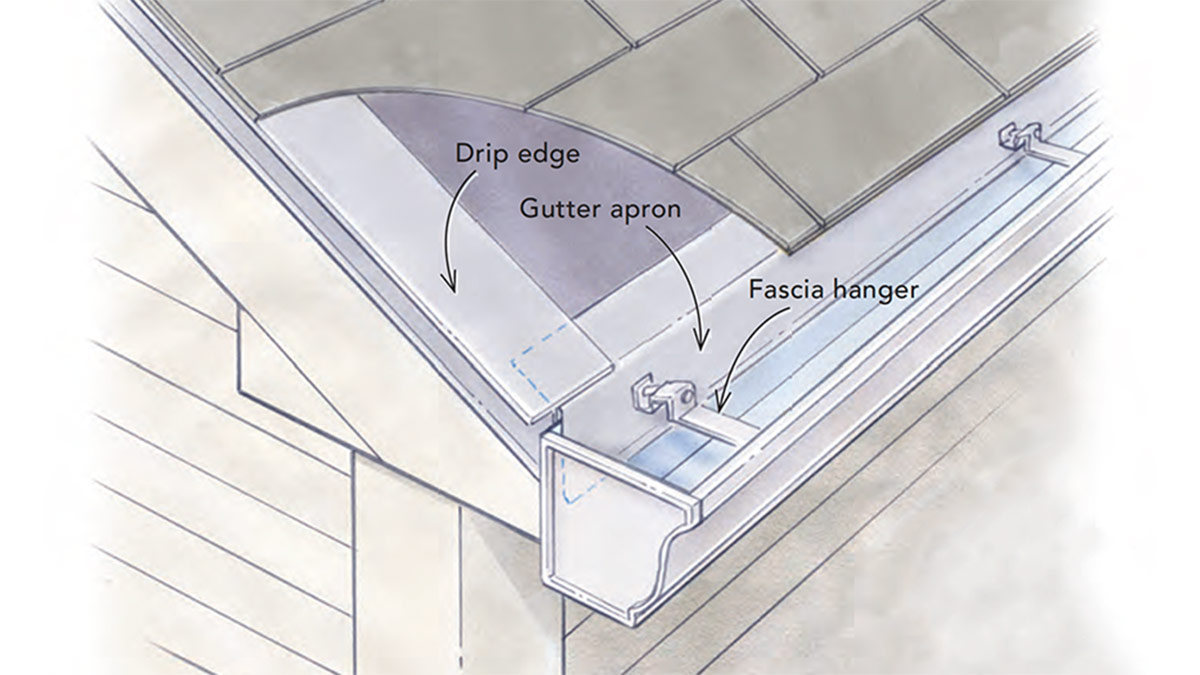
As April rain settles into the Quad Cities, many homeowners notice water behaving differently around their roof edges. Instead of flowing cleanly into gutters, water may drip behind the gutter, run down fascia boards, or leave staining along the roofline. These issues often point to a component most homeowners rarely think about: the drip edge, sometimes referred to as gutter apron.
In Rock Island, Moline, Davenport, Bettendorf, and Milan, winter snow and ice put heavy stress on roof edges. When spring rain arrives, weaknesses at the roof edge become visible quickly. Understanding how drip edge works—and what happens when it fails—helps homeowners prevent moisture damage that can spread beyond the roof itself.
What a Drip Edge Actually Does
Drip edge is a metal flashing installed along roof edges.
The purpose of drip edge
A properly installed drip edge:
Directs water away from roof decking
Guides runoff into gutters
Protects fascia and roof edges
Prevents water from wicking back under shingles
Although small, it plays a major role in water management.
Why Roof Edges Take More Abuse Than Other Areas
Roof edges are exposed year-round.
Why edges are vulnerable
In the Quad Cities, roof edges face:
Ice buildup during winter
Snow sitting along the eaves
Freeze-thaw expansion
Wind-driven rain
This repeated stress weakens edge flashing faster than central roof areas.
How Winter Damage Shows Up During Spring Rain
Winter issues often remain hidden until rain returns.
The delayed effect
During winter:
Ice can bend or shift drip edge
Snow melt refreezes behind gutters
Flashing separates slightly
In April, rain finds those small gaps immediately.
Common Drip Edge Problems Found in Spring
Spring inspections often reveal specific issues.
Typical roof edge failures
Professionals commonly find:
Missing drip edge sections
Improper overlap at seams
Drip edge installed behind underlayment
Bent or corroded flashing
Gaps between gutter and roof edge
Any of these can allow water to travel where it shouldn’t.
How Water Damages the Roof Without Proper Drip Edge
Without effective edge protection, water changes direction.
Water behavior at failed roof edges
Spring rain can:
Run behind gutters
Soak fascia boards
Reach roof decking edges
Bypass underlayment protection
This type of damage often progresses quietly.
Fascia and Soffit Damage Often Starts at the Edge
Roof edge failures affect more than shingles.
Downstream exterior damage
Prolonged exposure can cause:
Peeling or bubbling fascia paint
Softened wood behind trim
Sagging gutters
Moisture intrusion into soffits
By the time damage is visible, repairs may involve multiple components.
Interior Signs Linked to Roof Edge Failures
Roof edge issues don’t always stay outside.
Interior warning signs
Homeowners may notice:
Ceiling stains near exterior walls
Damp attic insulation at eaves
Musty smells near upper rooms
Water marks after steady rain
These often trace back to edge flashing issues.
Why Drip Edge Problems Are Often Missed
Drip edge is easy to overlook.
Why homeowners miss edge failures
It’s partially hidden by gutters
Damage occurs behind trim
Problems don’t show during light rain
Only sustained spring rainfall reveals the full issue.
Why April Is the Best Time to Inspect Roof Edges
Spring conditions are ideal for evaluation.
Benefits of April inspections
Spring inspections:
Reveal winter-related damage
Catch water flow issues early
Prevent summer moisture buildup
Reduce fascia and decking repairs
Waiting until summer can allow damage to spread.
How Professional Inspections Evaluate Roof Edges
Roof edge inspections require close attention.
What inspectors look for
A proper inspection includes:
Checking drip edge placement and overlap
Evaluating gutter alignment
Inspecting fascia behind gutters
Looking for moisture at decking edges
This approach identifies problems not visible from the ground.
Why Local Experience Matters With Roof Edge Issues
Midwest roofs behave differently at the edge.
A local contractor understands:
Quad Cities snow load patterns
Ice formation along eaves
How spring rain interacts with edge flashing
That knowledge leads to accurate recommendations.
When Homeowners Should Schedule an Inspection
A roof edge inspection is recommended if:
Water drips behind gutters
Fascia shows staining or peeling
Ice formed along eaves in winter
Spring rain reveals uneven runoff
Early detection limits repair costs.
Roof Edge Protection Is Often the First Line of Defense
Drip edge may not be visible from the yard, but it plays a critical role in protecting the roof and exterior. Spring rain is often the first time homeowners see what winter has weakened. Addressing roof edge issues early helps preserve the entire roofing system.
Schedule a Free Roof Inspection
If you’re noticing water issues along your roof edge or gutters this spring, a professional inspection can help identify problems before they lead to costly repairs. Twin Bridge Roofing & Construction is a licensed and insured roofing & siding contractor serving the Quad Cities, offering free, no-obligation inspections to evaluate drip edge, roof edges, and exterior water flow.
📞 Call or text 309-948-4126
🌐 Visit roofqc.com to schedule your inspection online
