Why Spring Winds Loosen Roof and Siding Components in the Quad Cities
Why Spring Winds Loosen Roof and Siding Components in the Quad Cities
Spring in the Quad Cities brings relief from winter cold—but it also delivers some of the strongest and most persistent winds of the year. Even when no severe storms are reported, spring winds can quietly loosen roof and siding components, creating problems that don’t become obvious until heavy rain follows.
For homeowners in Rock Island, Moline, Davenport, Bettendorf, and Milan, understanding how spring winds affect roofing and siding systems helps explain why issues often appear seemingly “out of nowhere” as the season progresses.
Why Spring Winds Are Different From Winter Storms
Winter storms are intense but short-lived. Spring winds are often sustained.
What makes spring winds unique
In the Midwest, spring typically brings:
Strong pressure changes
Long periods of steady wind
Rapid temperature shifts
Frequent frontal systems
This combination places repeated stress on exterior components rather than a single shock event.
How Wind Stress Builds Over Time
Wind damage doesn’t always involve missing shingles or panels.
The gradual loosening process
Repeated wind exposure can:
Break adhesive bonds
Flex materials at fasteners
Loosen nails and clips
Widen seams slightly
Each windy day adds a little more stress until materials no longer perform as intended.
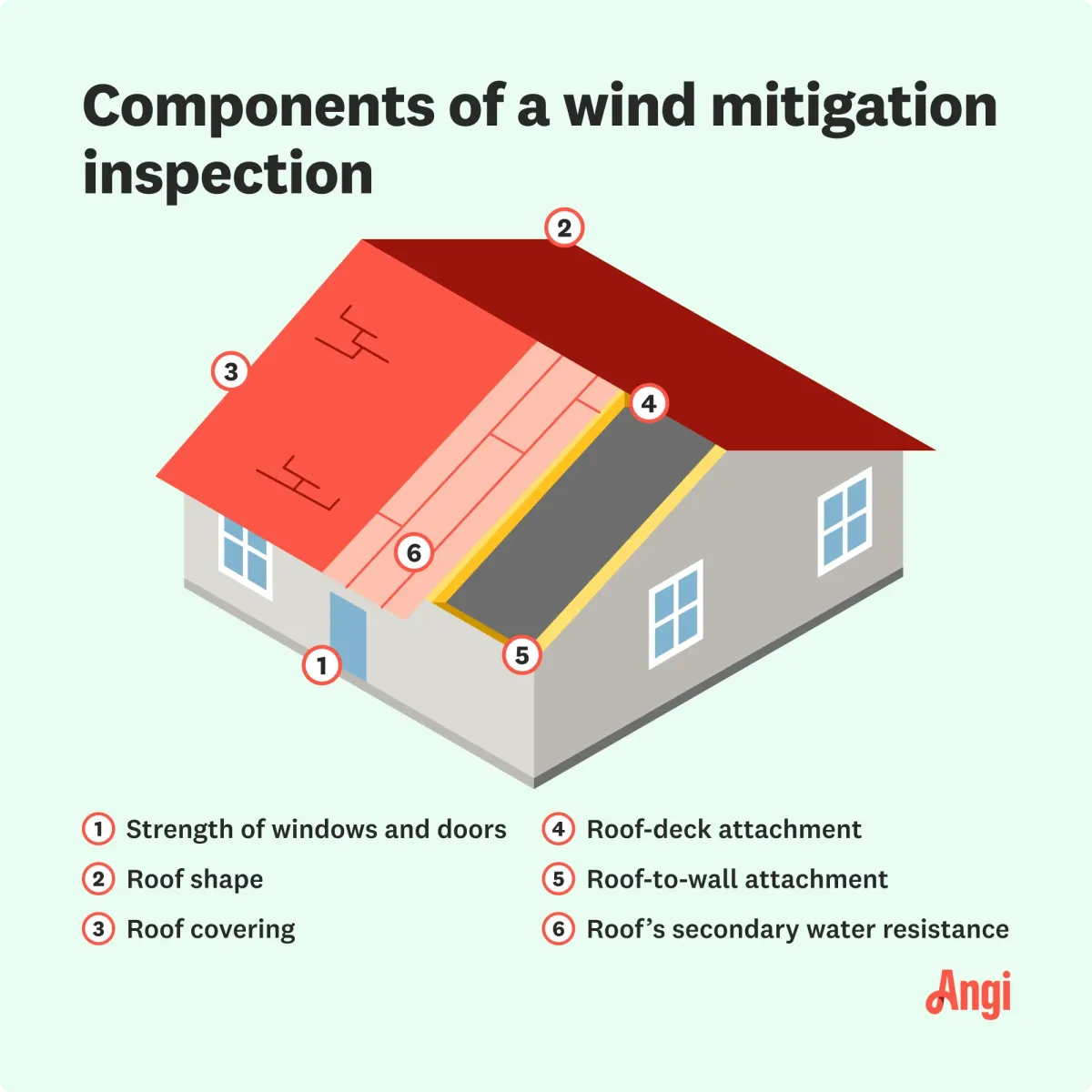
Roof Edges and Corners Take the First Hit
Wind pressure concentrates at specific roof areas.
High-risk roof zones
Spring winds most commonly affect:
Eaves and roof edges
Rakes and corners
Ridge caps
Valleys near edges
These areas are designed to resist wind—but repeated stress weakens them over time.
Why Shingles Can Look Fine but Still Be Damaged
After wind events, shingles often reseat themselves.
Hidden shingle issues
Wind may:
Break seal strips without lifting shingles permanently
Slightly bend shingle mats
Loosen fasteners beneath the surface
These issues often don’t leak immediately but reduce future wind resistance.
Siding Movement During Spring Winds
Siding is designed to move—but only within limits.
How wind affects siding
Spring winds can:
Push behind siding panels
Pull against fasteners
Flex seams and trim
Create rattling or popping sounds
Once movement exceeds design limits, moisture intrusion becomes more likely.
Trim, Flashing, and Small Components Matter
Wind stress isn’t limited to large surfaces.
Components commonly affected
Corner trim
J-channel around windows and doors
Flashing at roof-to-wall intersections
Fascia and soffit panels
When these components loosen, they create new water entry points.
Why Spring Rain Reveals Wind Damage
Wind damage often shows up when rain follows.
The delayed reveal
After spring winds:
Small gaps remain open
Flashing shifts slightly
Sealants lose adhesion
The first heavy rain tests these weak points—often revealing leaks.
Interior Warning Signs After Windy Periods
Homeowners may notice subtle changes indoors.
Interior clues
Drafts near exterior walls
New ceiling stains after rain
Whistling or rattling during wind
Musty odors in attic spaces
These signs often point to wind-related exterior issues.
Why Homeowners Miss Spring Wind Damage
Spring wind damage is easy to underestimate.
Common reasons it’s overlooked
No dramatic storm event
Damage develops gradually
Issues don’t leak immediately
Changes are subtle
Without inspection, problems can worsen unnoticed.
How Professional Inspections Identify Wind Stress
Professional inspections focus on performance—not just appearance.
What inspectors evaluate
Shingle adhesion and lift marks
Fastener movement
Siding panel alignment
Flashing stability
Trim attachment
This approach identifies early damage before it escalates.
Why Spring Is the Best Time for Preventative Inspections
Spring inspections catch winter and wind damage early.
Benefits of spring inspections
Address issues before heavy rain
Prevent summer moisture problems
Avoid emergency repairs
Extend material lifespan
Early action saves money and stress.
Why Local Experience Matters With Spring Winds
Midwest spring winds behave differently than coastal storms.
A local contractor understands:
Quad Cities wind patterns
Typical spring failure points
How wind and rain interact locally
That experience leads to more accurate assessments.
What Homeowners Can Safely Check After Windy Days
You don’t need to climb on the roof.
Ground-level checks
Look for uneven shingle lines
Listen for rattling during wind
Check trim and siding seams
Watch gutters during rain
Changes after windy periods often signal developing problems.
Schedule a Free Spring Wind Inspection
If your home has experienced persistent spring winds—or if you’ve noticed changes after windy weather—a professional inspection can help catch issues early. Twin Bridge Roofing & Construction is a licensed and insured roofing & siding contractor serving the Quad Cities, offering free, no-obligation inspections to identify wind-related loosening before leaks develop.
📞 Call or text 309-948-4126 to schedule your inspection
🌐 Visit roofqc.com to request an appointment online
