Why Storm Damage Doesn’t Always Show Up Right Away
Why Storm Damage Doesn’t Always Show Up Right Away
One of the most confusing things homeowners experience after a storm is delayed damage. A strong storm rolls through the Quad Cities, everything looks fine afterward, and life goes on—until weeks or even months later when a leak appears or siding starts to shift.
This delayed reaction is extremely common in Midwest homes. In places like Rock Island, Moline, Davenport, Bettendorf, and Milan, storm damage often weakens exterior systems quietly before symptoms become obvious. Understanding why this happens helps homeowners take the right steps before minor issues turn into major repairs.
Storm Damage Is Often Progressive, Not Immediate
Not all storm damage causes instant failure. Many storms create stress damage, which compromises materials without causing visible destruction.
What stress damage looks like
Stress damage can include:
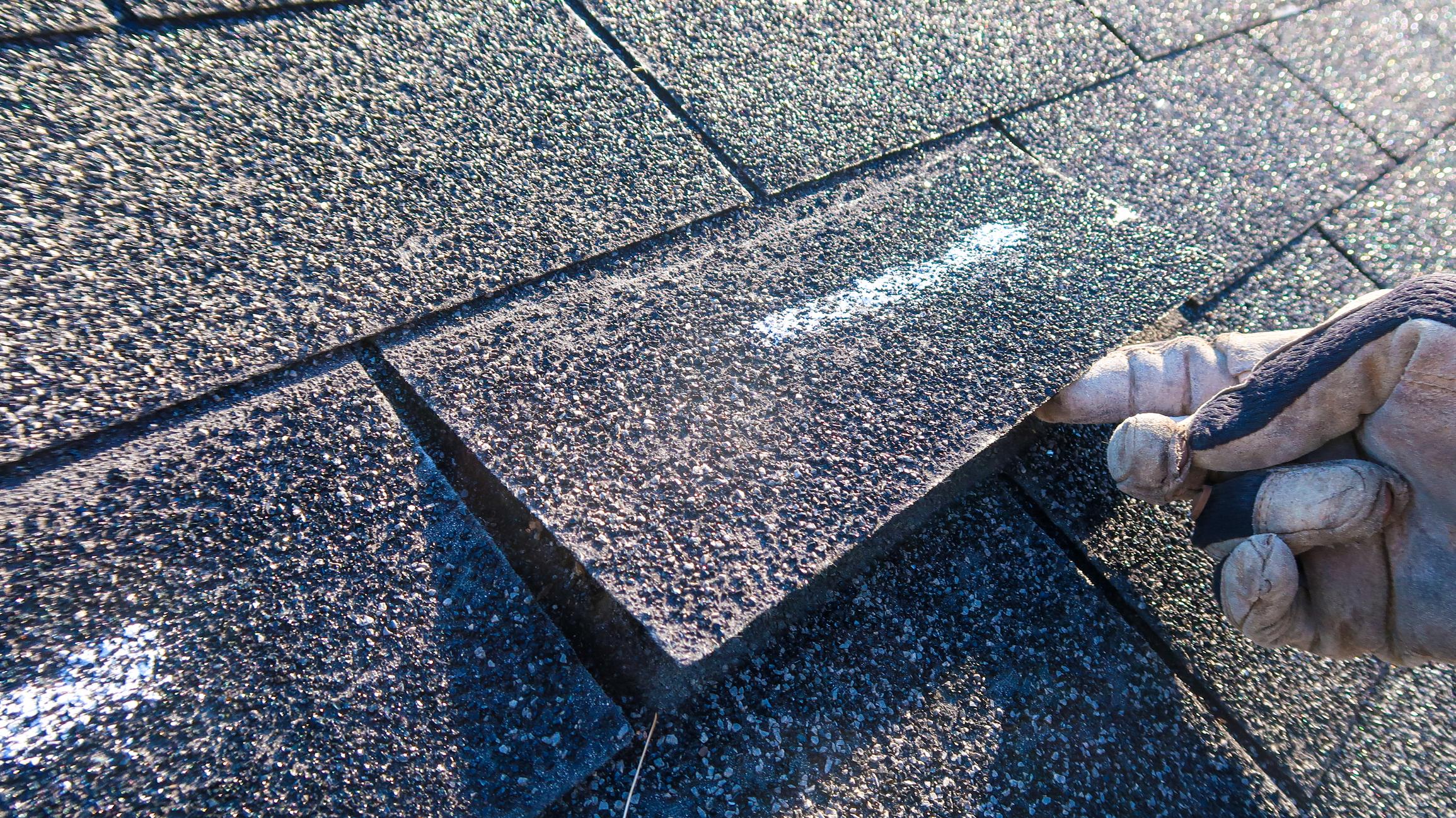
Shingles lifting but reseating
Seal strips partially breaking
Flashing loosening slightly
Siding seams opening just enough to allow moisture
These changes don’t always cause immediate leaks—but they set the stage for future problems.
Wind Damage That Builds Over Time
Midwest wind is relentless. Even storms without headlines can weaken exterior systems.
How wind creates delayed issues
Strong gusts:
Flex shingles repeatedly
Break adhesive bonds slowly
Loosen fasteners incrementally
Stress flashing at joints
Over time, these small changes add up until the roof can no longer shed water effectively.
Hail Damage That Weakens Materials Internally
Hail doesn’t always crack or puncture shingles.
Internal hail damage
Hail can:
Bruise the asphalt mat beneath the surface
Dislodge protective granules
Create micro-fractures that expand later
As shingles go through freeze-thaw cycles and summer heat, these weakened areas deteriorate faster, eventually leading to leaks.
Flashing Failures Are a Common Delay Trigger
Flashing protects the most vulnerable areas of the roof—and it often fails quietly.
Why flashing damage is hard to detect
Water may travel before appearing inside
Leaks may only occur during certain wind directions
Moisture can remain trapped until saturation occurs
Homeowners often notice staining far from the actual entry point.
Why Midwest Weather Makes Delayed Damage Worse
The Midwest creates ideal conditions for delayed failures.
Freeze-thaw acceleration
When moisture enters small openings:
It freezes and expands
Openings widen slightly
Materials shift or crack further
Each cycle increases the likelihood of visible damage later.
Wind-driven rain
Sideways rain pushes water into places normal rainfall wouldn’t reach, especially around:
Roof-to-wall intersections
Chimneys
Valleys
Siding seams
Interior Signs That Storm Damage May Be Developing
Delayed damage often announces itself subtly inside the home.
Warning signs to watch for
Faint ceiling discoloration
Musty odors after rain
Paint bubbling or peeling
Damp insulation in the attic
Drafts near exterior walls
These symptoms often appear long after the storm that caused them.
Why Homeowners Miss the Connection
Many homeowners assume delayed damage means something “new” happened.
Common misconceptions
“The storm was weeks ago”
“Nothing leaked right away”
“The roof looked fine afterward”
In reality, the storm often caused the initial weakening—even if symptoms took time to appear.
Documentation Timing Still Matters
Even when damage appears later, early documentation can help.
Why inspections after storms are smart
Establish baseline condition
Identify weakened components early
Prevent further deterioration
Support insurance documentation if needed
Waiting until damage is obvious often limits options.
How Professional Inspections Find Early Damage
Professional inspections look beyond surface appearance.
What inspectors evaluate
Shingle adhesion and seal integrity
Flashing attachment and overlap
Signs of moisture migration
Damage patterns consistent with storm stress
This approach helps catch issues before they escalate.
Why Local Experience Is Critical
Storm behavior varies by region. A local contractor understands:
Typical Quad Cities storm patterns
How Midwest weather compounds damage
Common delayed-failure points on local homes
That experience helps identify damage others may miss.
The Cost of Waiting Too Long
Delayed storm damage often leads to:
Larger repair scopes
Interior drywall and insulation damage
Mold concerns
Higher out-of-pocket costs
Early action usually means simpler, less expensive solutions.
Schedule a Free Storm Damage Inspection
If your home experienced a recent storm—even if everything looked fine at the time—a professional inspection can help catch hidden issues early. Twin Bridge Roofing & Construction is a licensed and insured roofing & siding contractor serving the Quad Cities, offering free, no-obligation storm damage inspections for local homeowners.
📞 Call or text 309-948-4126 to schedule your inspection
🌐 Visit roofqc.com to request an appointment online
