Why Vinyl Siding Buckles in Spring—and What Quad Cities Homeowners Should Know
Why Vinyl Siding Buckles in Spring—and What Quad Cities Homeowners Should Know
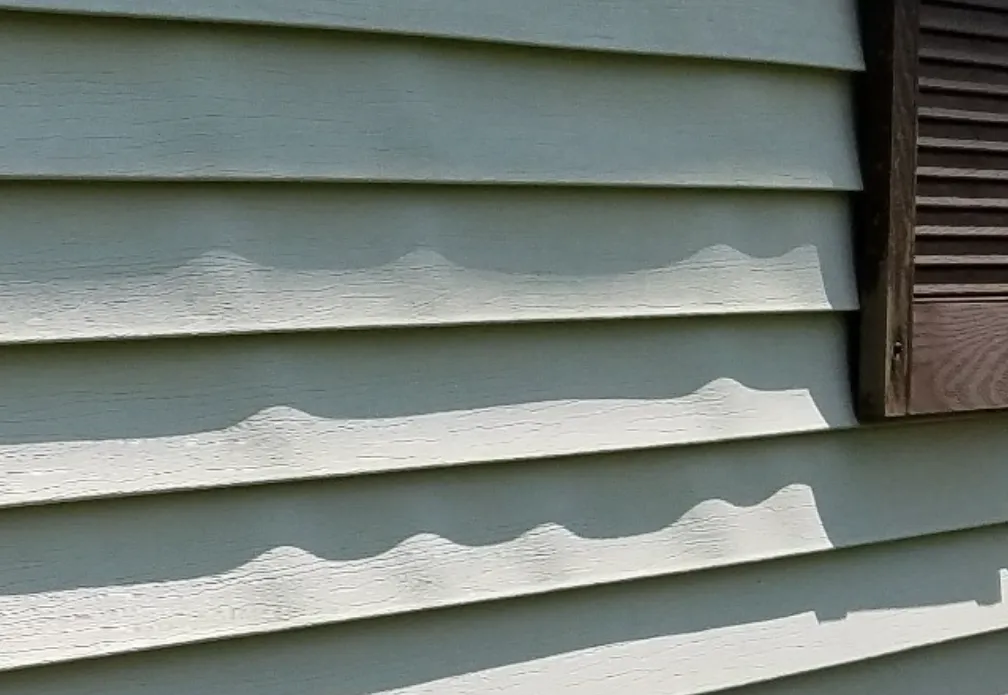
As April brings warmer days to the Quad Cities, some homeowners notice their vinyl siding looks wavy, rippled, or uneven—especially on sunny afternoons. By evening, it may look normal again. This on-and-off appearance can be confusing and alarming, but it’s a common spring issue tied to vinyl siding expansion and contraction.
Homes in Rock Island, Moline, Davenport, Bettendorf, and Milan experience sharp temperature swings in early spring. Cold nights followed by warm, sunny days create conditions where vinyl siding moves more than at any other time of year. Understanding why this happens, when it’s normal, and when it signals a problem helps homeowners protect their exterior before summer heat sets in.
Why Spring Is Prime Time for Vinyl Movement
Vinyl siding is designed to move—but spring tests its limits.
What changes in April
Early spring brings:
Cool overnight temperatures
Rapid daytime warm-ups
Strong sun exposure on certain elevations
Vinyl expands as it warms and contracts as it cools, and April accelerates that cycle.
How Vinyl Siding Is Designed to Expand and Contract
Movement is built into the system.
The role of fastening and slots
Properly installed vinyl siding:
Is nailed loosely, not tight
Uses elongated nailing slots
Slides back and forth as temperatures change
This flexibility prevents cracking and splitting when temperatures fluctuate.
What Causes Visible Buckling or Rippling
Buckling happens when movement is restricted.
Common causes of spring buckling
Vinyl siding may ripple if:
Nails were driven too tightly
Panels are cut too short or too long
J-channels or trim are overly tight
Panels are exposed to intense sunlight
When vinyl can’t move freely, it bends instead.
Why Buckling Often Appears Only in the Afternoon
Sun exposure matters.
Heat and orientation
Buckling is most noticeable:
On south- and west-facing walls
During peak afternoon sun
On darker-colored siding
As panels cool later in the day, they may relax and appear normal again.
Normal Movement vs Installation-Related Issues
Not all movement is a problem.
What’s typically normal
Normal expansion:
Appears mild and temporary
Disappears as temperatures cool
Doesn’t worsen over time
Persistent or severe buckling usually indicates an underlying issue.
Why Spring Buckling Shouldn’t Be Ignored
Even if it looks temporary, movement can create risks.
Potential long-term effects
Repeated buckling can:
Stress fasteners and seams
Loosen panels over time
Create gaps for wind-driven rain
Accelerate wear at joints and corners
Addressing the cause early helps avoid moisture intrusion later.
How Vinyl Siding Color Affects Expansion
Color influences heat absorption.
Dark vs light siding
Darker siding:
Absorbs more solar heat
Expands more during warm periods
Shows movement more clearly
This doesn’t mean dark siding is bad—but installation tolerances matter more.
Why Older Installations Show Issues First
Age can amplify movement problems.
Contributing factors over time
Older siding systems may have:
Settled framing behind them
Reduced flexibility at fasteners
Minor installation shortcuts from past standards
Spring temperature swings reveal these weaknesses quickly.
How Spring Buckling Can Lead to Moisture Problems
Movement affects water shedding.
Moisture pathways
When siding buckles:
Overlaps may separate
Drainage paths can be disrupted
Wind-driven rain can reach behind panels
While vinyl is not watertight by design, proper alignment helps manage moisture.
Interior Clues That May Accompany Siding Movement
Exterior movement sometimes connects to indoor signs.
Interior indicators
Homeowners may notice:
Drafts near exterior walls
Subtle temperature changes near windows
Increased humidity near affected elevations
These signs suggest airflow or moisture pathways may be changing.
Why April Is the Best Time to Evaluate Vinyl Siding
Spring reveals true behavior.
Benefits of April inspections
Spring evaluations:
Show how siding reacts to temperature swings
Identify restricted movement early
Allow adjustments before summer heat
Waiting until midsummer can mask movement issues once siding stays expanded.
How Professional Inspections Assess Siding Movement
Evaluation goes beyond surface appearance.
What inspectors check
A proper inspection includes:
Fastener placement and tension
Panel spacing at trim and corners
Signs of repeated stress or deformation
Moisture indicators behind siding
This helps determine whether movement is normal or corrective action is needed.
Why Local Experience Matters With Vinyl Siding
Midwest climate plays a role.
A local contractor understands:
Quad Cities temperature patterns
Common spring exposure issues by elevation
How vinyl performs locally over time
That insight leads to accurate recommendations—not unnecessary replacements.
When Homeowners Should Schedule an Inspection
A siding inspection is recommended if:
Buckling appears repeatedly
Panels don’t relax when temperatures cool
Gaps appear near trim or corners
The siding hasn’t been evaluated recently
Early assessment keeps small issues from becoming larger repairs.
Spring Vinyl Movement Is Common—but Manageable
Vinyl siding expansion is normal, but buckling isn’t always harmless. Spring temperature swings reveal how well a siding system was installed and how it’s aging. Addressing issues early helps protect both appearance and performance through the warmer months ahead.
Schedule a Free Siding Inspection
If you’re noticing buckling, rippling, or uneven vinyl siding this spring, a professional inspection can help determine what’s normal and what needs attention. Twin Bridge Roofing & Construction is a licensed and insured roofing & siding contractor serving the Quad Cities, offering free, no-obligation inspections to evaluate siding movement, installation, and exterior performance.
📞 Call or text 309-948-4126
🌐 Visit roofqc.com to schedule your inspection online
