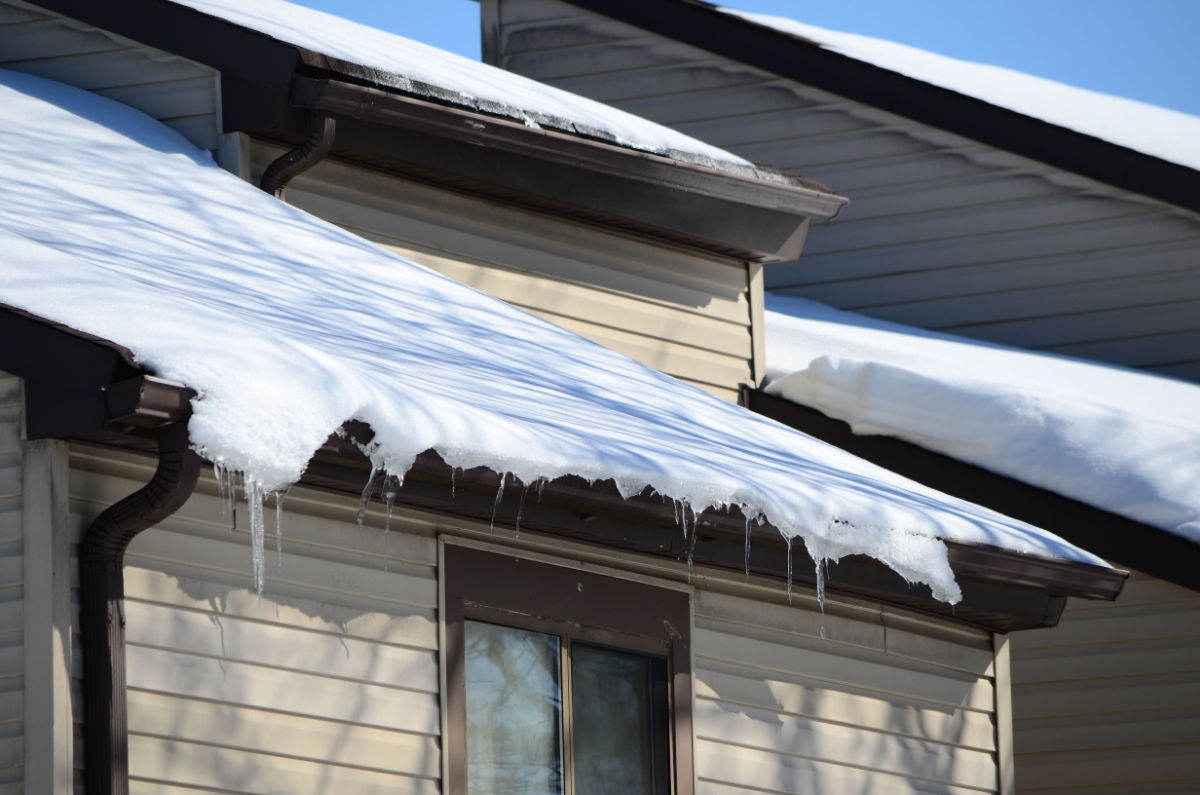
How Winter Thaw Cycles Cause Hidden Roof Damage in the Quad Cities
How Winter Thaw Cycles Cause Hidden Roof Damage in the Quad Cities
In the Midwest, winter damage doesn’t only happen during blizzards or ice storms. Some of the most destructive roof issues occur quietly during winter thaw cycles—those periods when temperatures rise above freezing just long enough to melt snow and ice, only to refreeze again overnight.
For homeowners in Rock Island, Moline, Davenport, Bettendorf, and Milan, these freeze-thaw patterns are a major reason roofs and exteriors develop problems that don’t show up until spring. Understanding how thaw cycles affect roofing systems helps homeowners catch damage early and avoid expensive repairs later.
What a Winter Thaw Cycle Really Is
A winter thaw cycle happens when temperatures fluctuate around the freezing mark.
Why this matters in the Midwest
Quad Cities winters often bring:
Daytime temperatures above 32°F
Overnight freezes
Repeated melting and refreezing
Wet snow that compacts into ice
These conditions force roofing materials to expand, contract, and absorb moisture repeatedly.
Why Freeze-Thaw Cycles Are Hard on Roofs
Roofing materials are designed to shed water—but not to stay wet and frozen repeatedly.
The stress cycle
During thaw cycles:
Snow melts and water flows across the roof
Water seeps into small gaps
Temperatures drop overnight
Water freezes and expands
Gaps widen slightly
This cycle repeats dozens of times each winter.
Shingles and Seal Strips Under Thaw Stress
Shingle performance depends heavily on seal strips and flexibility.
How thaw cycles affect shingles
Freeze-thaw movement can:
Break shingle seal strips
Create micro-cracks
Reduce wind resistance
Loosen fasteners
Once seal strips are compromised, spring wind and rain can exploit the damage.
Ice Dams Are Only Part of the Problem
Ice dams get most of the attention—but thaw cycles cause damage even without visible ice dams.
Hidden thaw-related issues
Even without large ice buildup:
Water can migrate under shingles
Flashing remains wet longer
Decking absorbs moisture repeatedly
These conditions weaken roof systems silently.
Flashing Suffers During Freeze-Thaw Cycles
Flashing sits at roof transitions where movement is concentrated.
Common flashing issues
Repeated freezing and thawing can:
Crack sealants
Shift metal flashing
Loosen fasteners
Break down overlaps
These failures often cause leaks during early spring rain.
Why Damage Often Appears in Spring
Winter creates the damage—spring reveals it.
Why problems show up later
Homeowners often notice:
Leaks during the first heavy rain
Stains on ceilings or walls
Shingles lifting after winter
Gutters pulling away
These symptoms are often the result of months of freeze-thaw stress.
Roof Edges and Valleys Take the Most Abuse
Certain roof areas suffer more during thaw cycles.
High-risk zones
Freeze-thaw damage is common at:
Eaves and roof edges
Valleys where snow collects
Around chimneys and vents
Shaded roof sections
These areas stay colder longer, increasing refreeze potential.
Interior Warning Signs of Thaw-Related Damage
Damage doesn’t always start outside.
Interior clues to watch for
Musty attic odors
Damp insulation
Small ceiling stains after rain
Drafts near rooflines
These signs often indicate moisture that entered during winter thaws.
Why Homeowners Miss Thaw Damage
Freeze-thaw damage is easy to overlook.
Common reasons
No dramatic storm event
Damage develops gradually
Issues don’t leak immediately
Symptoms appear months later
Without inspection, problems often worsen unnoticed.
How Professional Inspections Catch Thaw Damage
Thaw-related issues require trained evaluation.
What professionals look for
Shingle adhesion and cracking
Flashing movement
Soft decking areas
Signs of repeated moisture exposure
Edge and valley deterioration
Early detection can prevent widespread repairs.
Why Thaw Damage Escalates Quickly
Once thaw damage starts, it compounds.
Escalation pattern
Small moisture entry
Repeated freeze-thaw expansion
Material breakdown
Larger openings form
Interior leaks appear
Addressing issues early limits damage.
Local Experience Matters in Freeze-Thaw Regions
Midwest homes experience more thaw cycles than many regions.
A local contractor understands:
Quad Cities winter temperature patterns
Typical thaw-damage locations
How winter damage shows up in spring
That experience leads to accurate diagnosis.
When to Schedule an Inspection
Homeowners should consider inspections:
Late winter or early spring
After prolonged thaw periods
If winter leaks occurred
Before spring rain becomes frequent
Timing inspections around thaw cycles is key.
Schedule a Free Post-Winter Roof Inspection
If your home has gone through multiple freeze-thaw cycles—or if you’re noticing changes as winter ends—a professional inspection can help identify hidden damage. Twin Bridge Roofing & Construction is a licensed and insured roofing & siding contractor serving the Quad Cities, offering free, no-obligation inspections to evaluate roofs after winter weather.
📞 Call or text 309-948-4126 to schedule your inspection
🌐 Visit roofqc.com to request an appointment online
