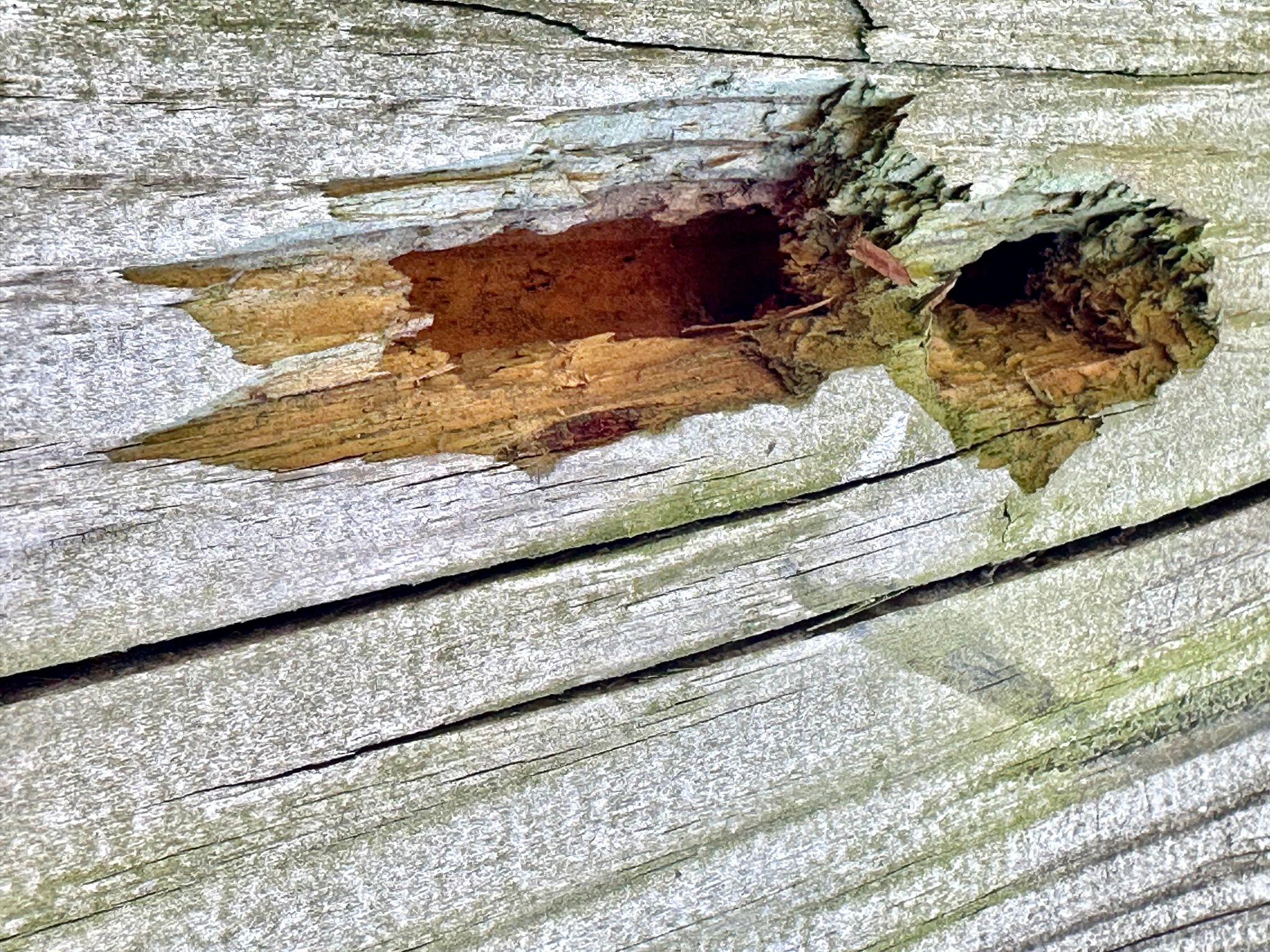
Why Woodpecker Damage to Siding Becomes a Problem in the Quad Cities Every Spring
Why Woodpecker Damage to Siding Becomes a Problem in the Quad Cities Every Spring
As winter fades and spring arrives in the Quad Cities, homeowners often notice a new kind of exterior damage appearing on their homes: small, round holes in siding or trim. These marks are frequently caused by woodpeckers—and April is when the problem tends to start.
Homes in Rock Island, Moline, Davenport, Bettendorf, and Milan see increased woodpecker activity each spring due to nesting behavior, food searches, and territorial signaling. Unfortunately, siding and trim on homes can become an unintended target. Understanding why woodpeckers attack homes, what types of siding are most vulnerable, and how this damage affects exterior performance helps homeowners respond before minor holes turn into moisture problems.
Why Woodpeckers Become Active in Spring
Woodpecker behavior changes with the season.
What triggers spring activity
In early spring:
Woodpeckers establish nesting sites
Mating and territorial behavior increases
Birds search for insects beneath surfaces
Homes can accidentally mimic the conditions woodpeckers are looking for.
Why Homes Attract Woodpeckers
Woodpeckers aren’t trying to destroy siding.
Common reasons homes are targeted
Woodpeckers may peck at homes because:
Siding sounds hollow, similar to a tree
Insects may be present behind siding
Trim or fascia resembles natural wood
Reflective or echoing surfaces amplify sound
Once a bird identifies a spot, it often returns repeatedly.
Types of Siding Most Vulnerable to Woodpecker Damage
Not all siding materials respond the same way.
Higher-risk materials
Woodpecker damage is more common on:
Wood siding and trim
Composite or engineered wood products
EIFS or synthetic stucco finishes
Cedar shakes or decorative accents
Softer materials are easier for birds to penetrate.
Why Vinyl Siding Can Still Be Affected
Vinyl siding isn’t immune.
How vinyl siding gets damaged
While woodpeckers usually can’t penetrate vinyl easily, they may:
Crack or puncture thinner panels
Damage corner posts or trim
Create openings at seams or laps
Once a panel is compromised, water intrusion becomes a concern.
How Small Holes Turn Into Moisture Problems
Even minor openings matter.
Moisture pathways created by pecking
Woodpecker holes can allow:
Rainwater behind siding
Moisture into wall cavities
Air infiltration that disrupts drying
Over time, repeated wetting can damage sheathing and insulation.
Why Spring Damage Often Goes Unnoticed at First
Early damage can be subtle.
Why homeowners miss the signs
Holes may be small and isolated
Damage may be on less visible elevations
Interior symptoms take time to appear
By the time moisture effects are visible inside, exterior damage may be more extensive.
Interior Signs Linked to Woodpecker Damage
Exterior openings often show up indoors later.
Interior warning signs
Homeowners may notice:
Drafts near exterior walls
Increased indoor humidity
Musty odors in affected rooms
Small stains near wall penetrations
These symptoms often trace back to unnoticed siding damage.
Why Woodpecker Damage Escalates Quickly
Once pecking begins, it often continues.
Escalation pattern
Woodpecker creates initial holes
Bird returns to the same location
Openings widen or multiply
Moisture enters repeatedly
Structural materials begin to deteriorate
Early intervention limits repeated damage.
Why DIY Repairs Often Don’t Last
Quick fixes rarely address the root issue.
Common DIY mistakes
Temporary repairs may:
Seal holes without deterring birds
Use incompatible patch materials
Trap moisture behind siding
Without addressing both repair and prevention, damage often returns.
How Professional Inspections Address Woodpecker Damage
Proper evaluation looks beyond surface holes.
What inspectors assess
A professional inspection includes:
Identifying all affected areas
Checking for moisture behind siding
Evaluating trim and flashing near damage
Assessing underlying sheathing condition
This ensures repairs restore performance, not just appearance.
Preventing Future Woodpecker Damage
Prevention is as important as repair.
Common prevention strategies
Depending on the home, prevention may include:
Repairing and sealing damaged areas properly
Addressing insect activity
Installing visual deterrents where appropriate
Replacing vulnerable materials with more resistant options
A tailored approach works best.
Why Local Experience Matters With Wildlife Damage
Wildlife behavior varies by region.
A local contractor understands:
Quad Cities woodpecker activity patterns
Seasonal timing of damage
Which materials perform best locally
That experience helps reduce repeat issues.
When Homeowners Should Schedule an Inspection
An exterior inspection is recommended if:
Holes appear in siding or trim
Tapping or pecking sounds are heard
Spring moisture symptoms appear indoors
Damage hasn’t been evaluated professionally
Early inspection keeps repairs manageable.
Spring Wildlife Damage Is Common—but Fixable
Woodpecker damage is a recurring spring issue in the Quad Cities. While it can start small, it doesn’t stay that way without attention. Addressing siding damage early protects your home from moisture intrusion and repeat wildlife activity.
Schedule a Free Siding Inspection
If you’ve noticed holes, trim damage, or signs of wildlife activity on your home this spring, a professional inspection can help identify damage and prevent further issues. Twin Bridge Roofing & Construction is a licensed and insured roofing & siding contractor serving the Quad Cities, offering free, no-obligation inspections to evaluate siding, trim, and exterior performance.
📞 Call or text 309-948-4126
🌐 Visit roofqc.com to schedule your inspection online
