What Quad Cities Homeowners Get Wrong About Roof Deductibles
What Quad Cities Homeowners Get Wrong About Roof Deductibles
Roof insurance deductibles are one of the most misunderstood parts of a homeowners policy—especially in the Midwest, where wind and hail claims are common. Many homeowners in the Quad Cities don’t realize how their deductible actually works until after a storm hits, an inspection happens, and the numbers don’t line up with expectations.
Understanding deductibles before storm season helps homeowners in Rock Island, Moline, Davenport, Bettendorf, and Milan avoid frustration, delays, and costly surprises when roof or siding damage occurs.
This article breaks down the most common deductible misunderstandings—and how they affect real-world roof repairs and replacements.
What a Deductible Actually Is
At its core, a deductible is the portion of a covered loss that the homeowner is responsible for paying out of pocket before insurance funds are applied.
The key point most people miss
Your deductible is not a fee paid to the contractor. It is simply the amount of the loss that insurance does not cover. The remaining covered amount is what the insurance company contributes toward repairs or replacement.
Fixed Deductibles vs Percentage Deductibles
Not all deductibles work the same way, and this is where confusion often starts.
Fixed (flat) deductibles
A fixed deductible is a set dollar amount, such as:
$500
$1,000
$2,500
If covered damage totals $15,000 and you have a $1,000 deductible, insurance may cover $14,000 (depending on policy terms).
Percentage-based deductibles
Many Midwest policies—especially for wind and hail—use a percentage deductible based on the home’s insured value.
For example:
1% of a $300,000 dwelling = $3,000 deductible
2% of a $300,000 dwelling = $6,000 deductible
This surprises many homeowners because the deductible is much higher than expected.
Why Wind and Hail Deductibles Are Often Higher
Illinois and Iowa experience frequent storm activity. Because of this, many insurance policies separate wind and hail deductibles from standard deductibles.
Why insurers do this
Storm claims are more common
Damage can be widespread across neighborhoods
Repair costs are higher during storm seasons
As a result, homeowners may have:
A $1,000 deductible for fire or theft
A separate 1–2% deductible for wind or hail
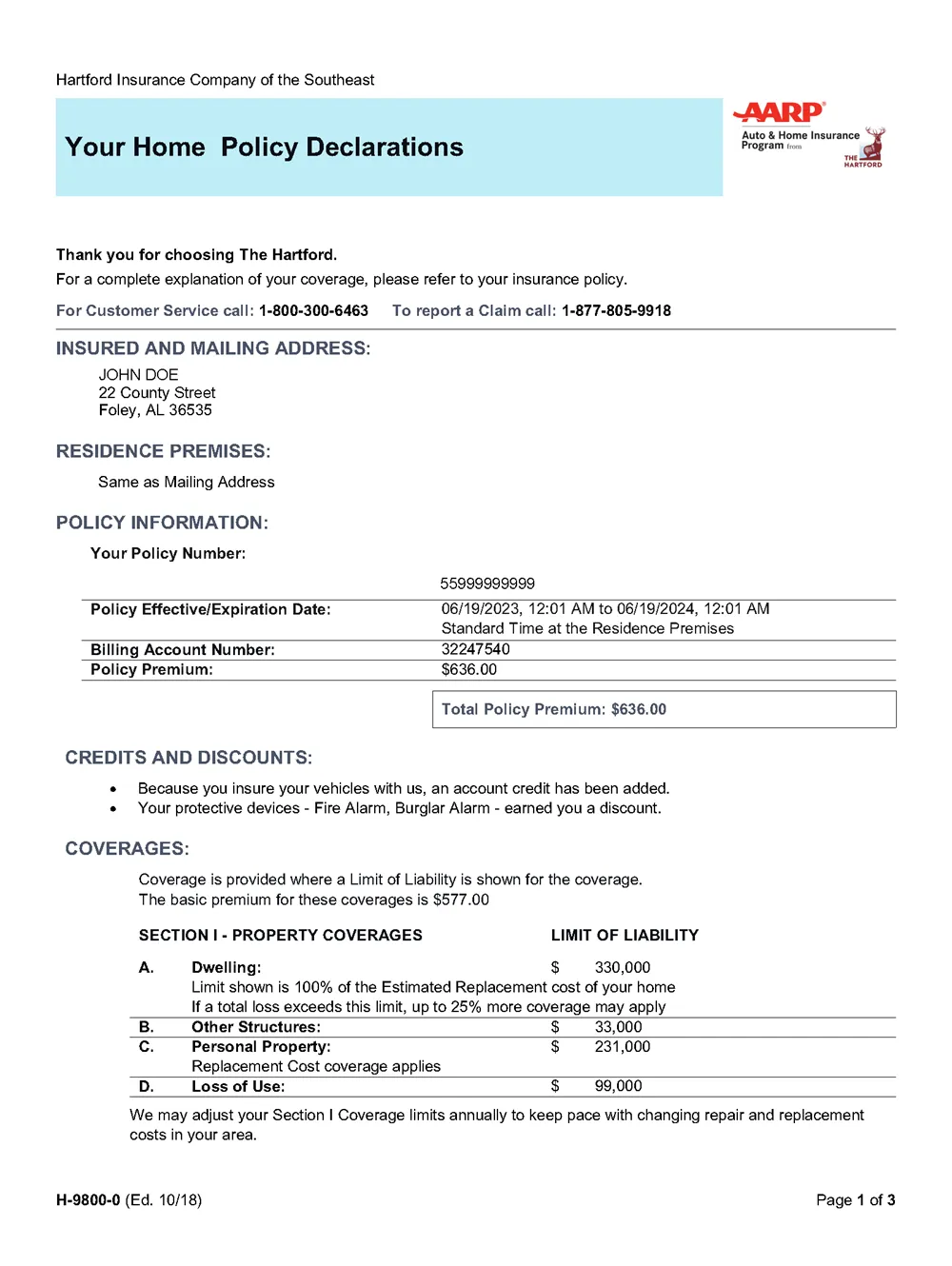
If you haven’t reviewed your declarations page recently, this difference can catch you off guard.
The “Deductible Is Waived” Myth
One of the biggest misconceptions homeowners encounter after storms is the idea that deductibles can be waived.
Why this is a problem
Insurance deductibles are set by the policy—not the contractor. Promises to “waive” deductibles are often misunderstandings or red flags and can lead to:
Insurance issues
Claim complications
Delayed payments
Homeowner liability
Reputable contractors focus on proper documentation and scope—not shortcuts.
How Deductibles Affect Roof Repair vs Replacement
Deductibles play a major role in deciding whether filing a claim makes sense.
When a claim may not make sense
If estimated damage is close to or below the deductible, homeowners may be better off handling repairs out of pocket.
When a claim often makes sense
Claims tend to make more sense when:
Damage is widespread
Multiple components are affected (roof, gutters, siding)
Replacement is required rather than spot repairs
Understanding your deductible helps you make that decision confidently.
ACV vs RCV: Why Deductibles Feel Different
Deductibles interact differently depending on whether your policy is Actual Cash Value (ACV) or Replacement Cost Value (RCV).
Actual Cash Value (ACV)
ACV policies factor in depreciation. Older roofs receive lower payouts, which can increase out-of-pocket costs beyond the deductible.
Replacement Cost Value (RCV)
RCV policies typically:
Pay an initial amount (minus deductible)
Hold back depreciation
Release remaining funds after work is completed and documented
Homeowners often misunderstand this process and think money is “missing” when it’s simply deferred.
Why Timing Matters With Deductibles
Midwest storms don’t come one at a time. Damage can compound over a season.
Waiting can cost more
If homeowners delay inspections:
Damage may worsen
Claims may be harder to tie to a specific storm
Insurers may classify damage as wear and tear
Early inspections protect both documentation and coverage options.
What Homeowners Should Review Right Now
You don’t need to wait for a storm to understand your deductible.
Helpful steps
Review your declarations page
Identify wind/hail deductible language
Note whether your deductible is flat or percentage-based
Understand whether your policy is ACV or RCV
Knowing this ahead of time reduces stress when damage occurs.
How a Professional Inspection Helps
A professional inspection helps homeowners:
Understand whether damage exceeds the deductible
Document storm-related issues properly
Decide whether filing a claim makes sense
Avoid unnecessary claims on minor damage
The goal is clarity—not pressure.
Why Local Experience Matters With Insurance
Midwest insurance claims are shaped by regional weather patterns. A local contractor understands:
Typical storm damage in the Quad Cities
How insurers evaluate wind and hail claims locally
Common documentation requirements
That experience helps homeowners navigate the process more confidently.
Schedule a Free Insurance-Focused Roof Inspection
If you’re unsure how your deductible affects your options—or whether damage justifies a claim—getting a professional inspection can help you make an informed decision. Twin Bridge Roofing & Construction is a licensed and insured roofing & siding contractor serving the Quad Cities, offering free, no-obligation inspections for local homeowners.
📞 Call or text 309-948-4126 to schedule your inspection
🌐 Visit roofqc.com to request an appointment online
