Why Ordinance or Law Coverage Matters for Roof Repairs in the Quad Cities
Why Ordinance or Law Coverage Matters for Roof Repairs in the Quad Cities
When homeowners in the Quad Cities file a roof insurance claim, they often expect coverage to be straightforward: damage occurred, repairs are needed, and insurance pays for restoration. What many don’t anticipate is being told that part of the repair isn’t covered because it’s a code upgrade. This surprise often comes down to a little-understood part of the policy called Ordinance or Law coverage.
For homeowners in Rock Island, Moline, Davenport, Bettendorf, and Milan, Ordinance or Law coverage can play a major role in how affordable roof repairs are—especially on older homes. Understanding what this coverage does, when it applies, and why it matters helps homeowners avoid unexpected out-of-pocket costs during spring repair season.
What Ordinance or Law Coverage Actually Is
Ordinance or Law coverage addresses building code requirements.
The purpose of this coverage
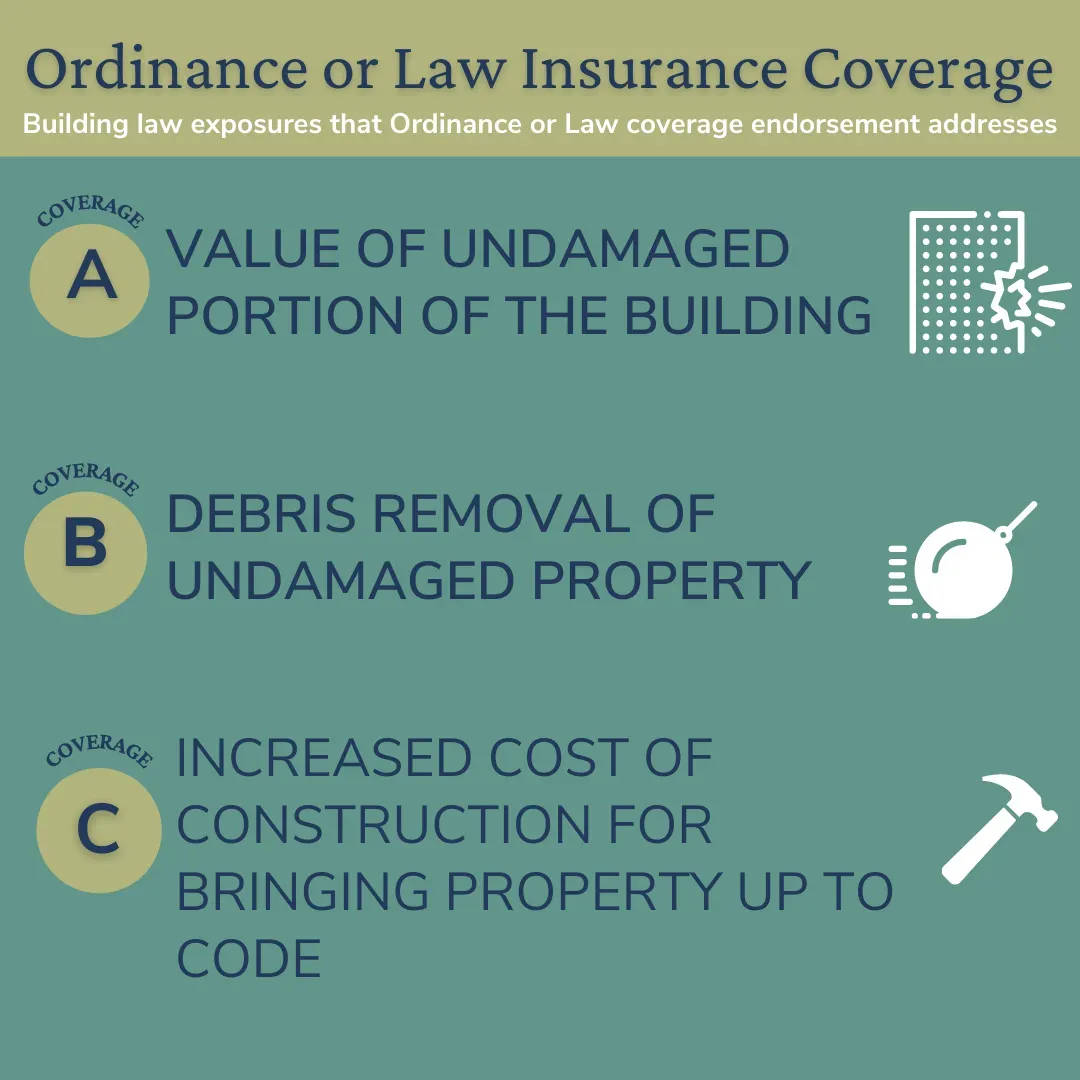
Ordinance or Law coverage helps pay for:
Required upgrades to meet current building codes
Additional materials or labor mandated by code
Portions of construction not present on the original structure
Insurance policies typically cover restoring what was damaged—not automatically upgrading it.
Why Code Issues Often Appear During Roof Repairs
Roof replacements frequently expose code gaps.
Why roofs trigger code requirements
During a roof project:
Old materials are removed
Decking and structure are exposed
Inspectors review current standards
If the roof doesn’t meet today’s code, upgrades may be required before work can continue.
Common Roof-Related Code Upgrades in the Quad Cities
Code requirements vary by jurisdiction.
Examples of code upgrades
In the Quad Cities region, roof-related upgrades may include:
Ice and water barrier requirements
Updated ventilation standards
Fastener spacing requirements
Drip edge installation
Decking attachment improvements
These items may not have existed when the home was built.
Why Insurance Doesn’t Automatically Cover Code Upgrades
Insurance is designed to restore—not modernize.
How insurance views code upgrades
Most standard policies:
Cover damage caused by a covered event
Do not automatically cover added costs for compliance
Without Ordinance or Law coverage, homeowners may be responsible for these additional expenses.
Why Spring Repairs Often Trigger Ordinance or Law Issues
Spring is a common repair season.
April timing matters
In spring:
Winter damage is repaired
Permits are pulled
Inspections are more common
This is often when code compliance requirements surface for the first time.
How Ordinance or Law Coverage Is Typically Structured
Coverage limits vary by policy.
How it’s commonly written
Ordinance or Law coverage is often:
A percentage of the dwelling coverage
A specific dollar limit
An optional endorsement
Understanding your policy limits is key before repairs begin.
What Happens Without Ordinance or Law Coverage
Lack of coverage can create financial gaps.
Potential homeowner responsibility
Without Ordinance or Law coverage, homeowners may need to pay for:
Mandatory code upgrades
Additional materials
Extended labor time
These costs can be significant, especially on older homes.
Why Older Homes Are More Affected
Age increases the likelihood of code changes.
Quad Cities housing stock considerations
Many homes in the area:
Were built decades ago
Pre-date modern roofing codes
Have legacy construction methods
When repairs occur, those differences become relevant.
Ordinance or Law Coverage vs Deductibles
These are separate concepts.
Important distinction
Deductibles apply to the total covered loss
Ordinance or Law applies to added code-driven costs
Having one does not replace the other.
How Homeowners Can Avoid Surprise Costs
Preparation makes a difference.
Smart steps to take
Homeowners should:
Review their insurance policy
Ask specifically about Ordinance or Law coverage
Understand local code requirements
Ask questions before repairs begin
Knowing this information early prevents last-minute stress.
Why Documentation Matters With Code-Related Costs
Clear documentation supports clarity.
Helpful documentation includes
Permit requirements
Inspection notes
Written code references
Detailed repair scopes
This helps everyone understand what is required versus optional.
Why Local Experience Matters With Code Issues
Codes vary by city and county.
A local contractor understands:
Quad Cities permitting processes
Local inspection standards
Common code triggers during roof repairs
That knowledge helps homeowners navigate repairs smoothly.
When Homeowners Should Ask About Ordinance or Law Coverage
This coverage is worth reviewing if:
Your home is older
You’re planning roof repairs
You’ve never reviewed this part of your policy
A claim is already in progress
Early awareness prevents unexpected costs later.
Code Compliance Is About Safety—But Planning Matters
Building codes exist to improve safety and performance. Ordinance or Law coverage helps bridge the gap between restoring damage and meeting modern standards. Understanding it before repairs begin gives homeowners more control and fewer surprises.
Schedule a Free Roof & Claim Review
If you’re planning roof repairs or navigating an insurance claim and want to understand how code requirements may affect your costs, a professional inspection can help clarify your options. Twin Bridge Roofing & Construction is a licensed and insured roofing & siding contractor serving the Quad Cities, offering free, no-obligation inspections to help homeowners understand roof condition, code requirements, and insurance considerations.
📞 Call or text 309-948-4126
🌐 Visit roofqc.com to schedule your inspection online
