Why Proper Documentation Makes or Breaks a Roof Insurance Claim
Why Proper Documentation Makes or Breaks a Roof Insurance Claim
After a storm hits the Quad Cities, many homeowners assume the hardest part is discovering the damage. In reality, documentation is often what determines whether an insurance claim moves forward smoothly—or stalls, delays, or gets denied.
In Midwest communities like Rock Island, Moline, Davenport, Bettendorf, and Milan, storms happen frequently enough that insurers carefully review how damage is documented, when it’s reported, and whether it clearly ties back to a specific event. Understanding what proper documentation looks like helps homeowners protect their investment and avoid unnecessary frustration.
Why Documentation Matters So Much in the Midwest
Insurance claims rely on proof. That proof doesn’t just show what is damaged—it helps establish why and when the damage occurred.
Midwest storm reality
Because Illinois and Iowa experience:
Multiple wind events each season
Frequent hailstorms
Rapid freeze-thaw cycles
Overlapping weather systems
Insurers often need clear documentation to connect damage to a specific storm rather than long-term wear.
What Counts as “Good” Documentation
Documentation is more than a few quick photos.
Strong documentation typically includes
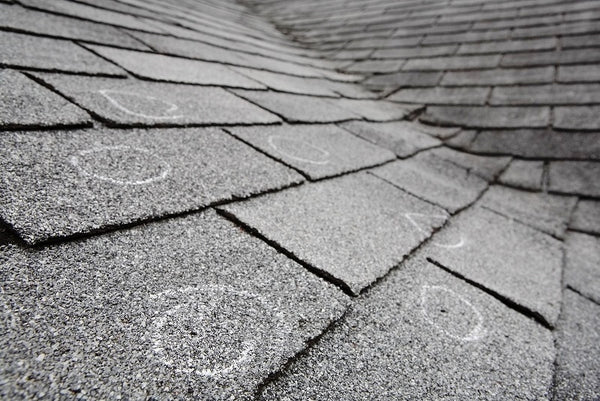
Clear photos of damaged areas
Notes describing the type of damage
Storm dates and weather context
Comparison to undamaged areas
Inspection findings tied to roof components
When documentation tells a clear story, claims tend to move faster.
Why Timing of Photos Is Critical
Photos taken shortly after a storm carry more weight than those taken months later.
Why early photos matter
They establish a clear timeline
They show damage before deterioration worsens
They reduce questions about cause
They limit “wear and tear” arguments
Waiting too long allows damage to blend into normal aging.
Common Documentation Mistakes Homeowners Make
Many claims struggle because of preventable issues.
Frequent documentation problems
Photos taken from too far away
No close-ups of damage
No reference points for location
Missing storm dates
Damage photographed after repairs
These gaps make it harder to connect damage to a covered event.
Why Roof Damage Isn’t Always Obvious in Photos
Storm damage doesn’t always photograph clearly.
Subtle damage examples
Hail bruising beneath shingle surfaces
Broken seal strips from wind
Lifted edges that reseat
Flashing movement at seams
This is why professional inspections matter—trained eyes know what to document and how.
The Role of Written Inspection Notes
Photos alone don’t tell the full story.
Why written notes help
Inspection notes explain:
What type of damage is present
How it affects performance
Why it’s consistent with storm activity
Which components are impacted
Notes give context to what photos show.
Why “Before” Conditions Matter
Establishing prior condition helps eliminate doubt.
How baseline documentation helps
If inspections show:
No prior damage
Sudden changes after storms
Consistent damage patterns
It becomes easier to support storm-related claims.
Even homeowners who don’t file claims benefit from having inspection records.
How Documentation Protects Homeowners Later
Documentation isn’t only for immediate claims.
Long-term benefits include
Protecting future claim options
Supporting resale disclosures
Tracking damage progression
Avoiding disputes over timing
In the Midwest, where storms repeat, records matter.
Why DIY Documentation Often Falls Short
Homeowners often do their best—but documentation has limits.
Common DIY challenges
Unsafe roof access
Missed damage areas
Inconsistent photo angles
Lack of technical descriptions
Professional inspections fill in these gaps.
How Professional Inspections Strengthen Documentation
A professional inspection creates structured documentation.
What professionals document
Roofing, flashing, and edge damage
Siding and gutter impacts
Storm-consistent damage patterns
Areas of potential future failure
This documentation is organized and easier for insurers to review.
Documentation vs Pressure: What It Is (and Isn’t)
Proper documentation isn’t about forcing claims.
What good documentation does
Gives homeowners clear information
Preserves options
Reduces guesswork
Homeowners remain in control of whether to file a claim.
Why Local Experience Matters for Documentation
Midwest storm damage follows predictable patterns.
A local contractor understands:
Quad Cities storm behavior
Common damage signatures
How insurers interpret local claims
That experience leads to stronger, more relevant documentation.
When Homeowners Should Document Damage
Documentation is recommended:
After hail or high-wind events
When neighbors report damage
If exterior changes are noticed
Before seasonal weather shifts
Earlier documentation is almost always better.
Schedule a Free Storm Documentation Inspection
If your home has experienced recent storms—or if you’re unsure whether damage should be documented—a professional inspection can help protect your options. Twin Bridge Roofing & Construction is a licensed and insured roofing & siding contractor serving the Quad Cities, offering free, no-obligation inspections to properly document roof and siding conditions.
📞 Call or text 309-948-4126 to schedule your inspection
🌐 Visit roofqc.com to request an appointment online
