Roofing Insurance Claims 101: What Quad Cities Homeowners Should Know Before Storm Season
Roofing Insurance Claims 101: What Quad Cities Homeowners Should Know Before Storm Season
Insurance claims can feel overwhelming—especially right after a storm when your neighborhood is full of missing shingles, dented gutters, and contractors knocking doors. In the Quad Cities, storm season can bring hail, wind, and heavy rain, so understanding the basics before you need them helps you avoid mistakes that cost time and money.
This guide is designed to be simple, practical, and homeowner-friendly—so you know what to expect if you ever need to file a roofing or exterior claim.
Start With the Big Picture: What a Claim Is (and Isn’t)
Insurance is meant to cover sudden, accidental damage—not long-term neglect or general aging.
What’s commonly covered
Depending on your policy, coverage often applies to:
Wind damage (missing or creased shingles)
Hail impacts (roof + soft metals)
Storm-driven water intrusion tied to a storm event
Certain fallen-limb impacts
What’s commonly not covered
Most policies won’t cover:
Normal wear and tear
Old leaks that have been happening for years
Poor installation from previous work
Cosmetic-only issues (varies by policy)
If you’re unsure, an inspection helps determine whether damage appears storm-related or maintenance-related.
ACV vs RCV: One of the Biggest Differences Homeowners Miss
You’ll often hear these terms in claim discussions.
Actual Cash Value (ACV)
ACV typically pays out based on depreciation. If your roof is older, ACV can be significantly lower than replacement cost.
Replacement Cost Value (RCV)
RCV generally pays the full replacement cost (minus deductible), but often in two parts:
Initial payment (depreciated amount)
Recoverable depreciation paid after work is completed and documented
Understanding which you have affects what you’ll pay out-of-pocket.
The Deductible: What It Really Means
Your deductible is your portion of the claim—usually a fixed amount or a percentage.
Midwest storm policies sometimes use percentage deductibles
Some policies use a % of dwelling coverage for wind/hail deductibles. That can be a bigger number than homeowners expect.
A quick review of your declarations page can prevent surprises.
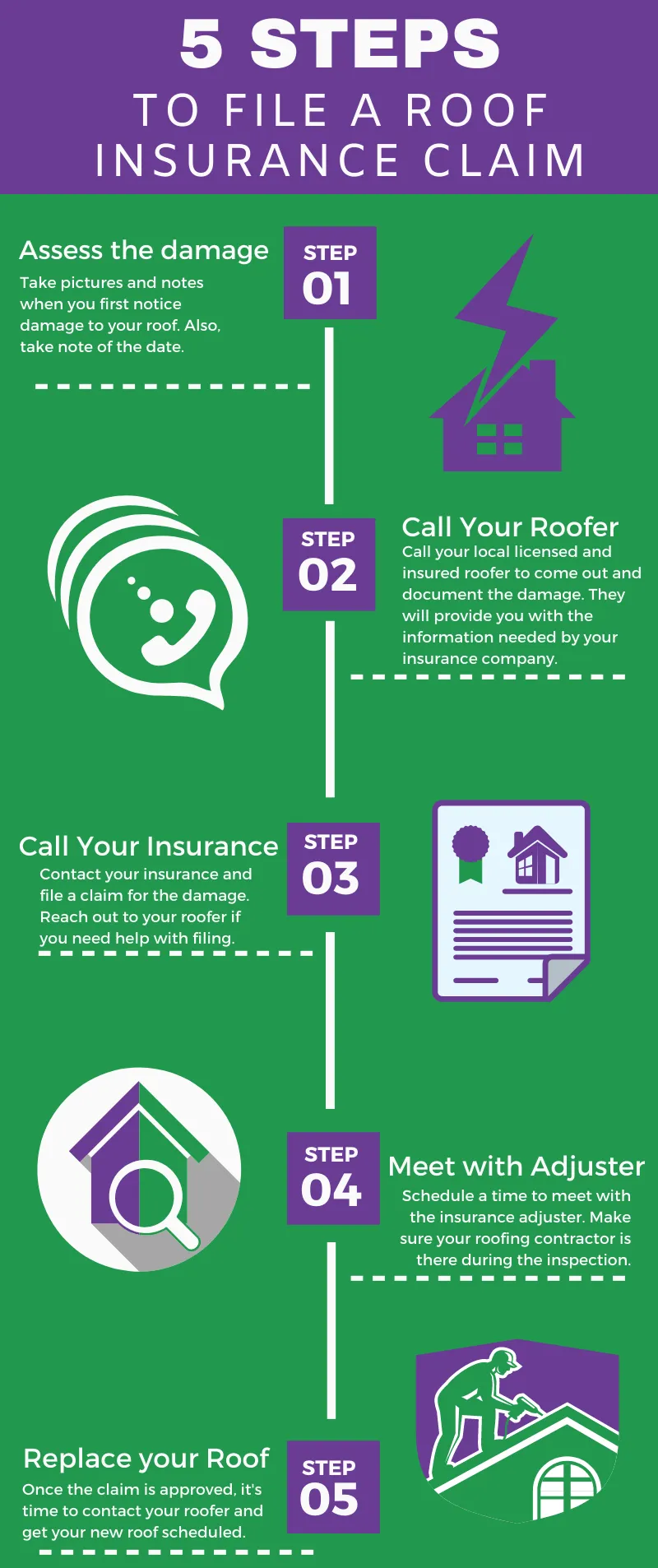
What to Do First After a Storm
When a storm hits Rock Island, Moline, Davenport, Bettendorf, or Milan, the best first steps are:
Step 1: Make the home safe
If there’s active leaking:
Catch water inside
Move valuables
Avoid climbing on the roof
Call for temporary mitigation if needed
Step 2: Document what you can safely see
Photos of any fallen limbs or debris
Photos of interior stains/drips
Photos of dented gutters, downspouts, window screens
Step 3: Get a professional inspection
A contractor can identify damage patterns and document findings clearly.
Adjuster Visits: What to Expect
An adjuster’s role is to verify damage and create an estimate based on the insurer’s scope.
Helpful homeowner mindset
Be present if possible
Ask questions (what’s included, what isn’t)
Take notes
Make sure all slopes and components are evaluated
A reputable contractor can help ensure the inspection is thorough and that all storm-related items are considered.
Common Claim Mistakes That Cause Delays
Waiting too long
Damage becomes harder to tie to a specific storm event if weeks or months pass—especially in a Midwest cycle of storms.
Only focusing on shingles
Gutters, vents, flashing, and siding damage often support a hail/wind claim and should be documented.
Choosing the lowest bidder without reviewing scope
Insurance scope can be complex. If scope misses key items, the homeowner may get stuck with gaps in coverage or incomplete repairs.
Why Local, Licensed, and Insured Matters
Storm-chasing outfits may come and go. A local contractor brings:
Familiarity with Midwest storm patterns
Knowledge of regional code expectations
A reputation tied to the community
Proper licensing and insurance protections
That stability matters when your home is the asset you’re protecting.
Schedule a Free Roof & Exterior Inspection
If you’re unsure whether your roof, siding, or gutters were damaged in a recent storm—or you just want clarity before filing anything—Twin Bridge Roofing & Construction offers free, no-obligation inspections for Quad Cities homeowners.
📞 Call or text 309-948-4126 to schedule, or visit roofqc.com to request your free inspection online.
