Wear and Tear vs Storm Damage: Why the Difference Matters for Insurance Claims
Wear and Tear vs Storm Damage: Why the Difference Matters for Insurance Claims
One of the most confusing moments for Quad Cities homeowners comes after a roof inspection, when they hear the phrase “wear and tear.” Many assume it’s just another way of saying the roof is old. In insurance terms, however, wear and tear means something very specific—and it’s very different from storm damage.
For homeowners in Rock Island, Moline, Davenport, Bettendorf, and Milan, understanding how insurers distinguish between normal aging and storm-related damage helps set realistic expectations, avoid frustration, and make smarter decisions after severe weather.
Why Insurance Makes a Clear Distinction
Insurance is designed to cover sudden, accidental damage, not gradual deterioration.
What insurers look for
When reviewing a roof claim, insurance companies evaluate:
Whether damage occurred suddenly
If it can be tied to a specific storm
Whether damage is consistent with weather conditions
How the roof performed before the event
This distinction determines whether coverage applies.
What “Wear and Tear” Actually Means
Wear and tear refers to damage that develops gradually over time.
Common wear-and-tear indicators
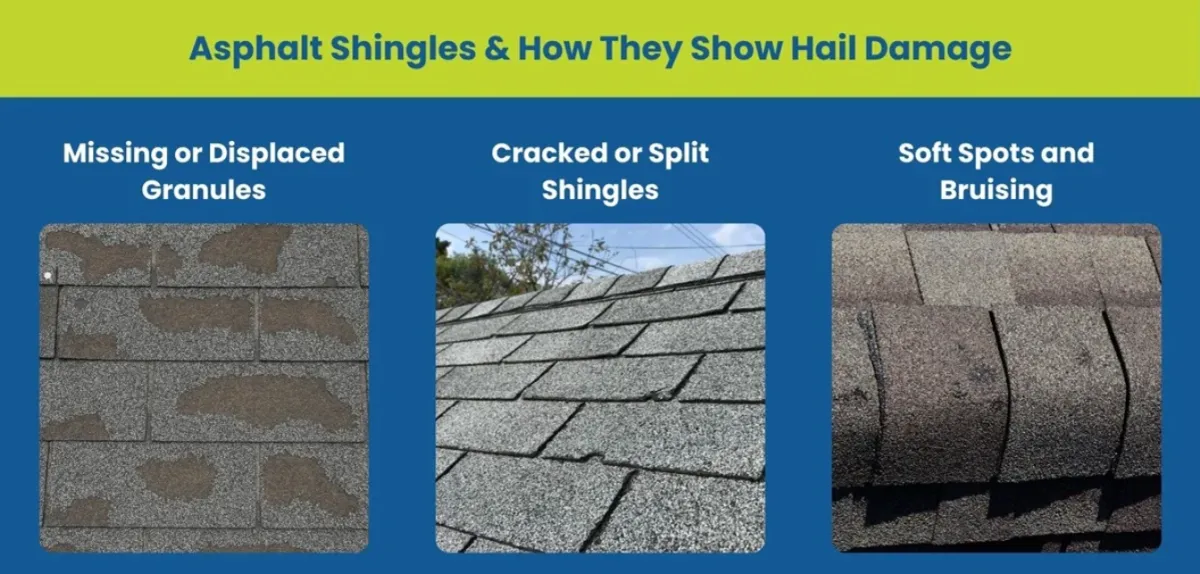
Granule loss from aging
Brittle or cracking shingles
Sun fading and surface erosion
Seal strip deterioration
Minor fastener corrosion
These issues occur naturally as roofs age, especially in Midwest climates.
What Counts as Storm Damage
Storm damage is caused by a specific weather event.
Storm-related damage examples
Shingles creased or lifted by wind
Hail impacts fracturing shingle mats
Flashing displaced by wind
Sudden shingle loss
Siding cracked by hail
Storm damage usually has identifiable patterns tied to a recent event.
Why the Midwest Complicates This Distinction
Midwest roofs endure both aging and frequent storms.
Regional challenges
In the Quad Cities:
Storms occur multiple times each season
Temperature swings accelerate aging
Damage often layers over time
This overlap can blur the line between wear and storm damage without proper inspection.
How Inspectors Tell the Difference
Professional inspectors look for damage signatures, not just symptoms.
Key evaluation factors
Inspectors assess:
Impact marks vs smooth erosion
Directional damage patterns
Shingle mat fractures
Consistency across elevations
Damage severity relative to roof age
These details help establish cause.
Why Timing of Inspection Matters
Timing can affect how damage is classified.
Early vs late inspections
Early inspections better support storm attribution
Delayed inspections allow damage to worsen
Aging may obscure original storm impact
Prompt inspections help preserve clarity.
Why One Roof Can Have Both Types of Damage
It’s common for roofs to show mixed conditions.
Realistic scenarios
A roof may have:
Aging shingles overall
Storm damage isolated to one elevation
Wind damage at edges
Wear in shaded or sun-exposed areas
Understanding this helps homeowners interpret inspection findings accurately.
Common Misconceptions Homeowners Have
Misunderstandings often lead to frustration.
Frequent misconceptions
“My roof is old, so nothing is covered”
“If it leaks, insurance must pay”
“Cosmetic damage is always excluded”
In reality, coverage depends on cause, documentation, and policy language.
Why Documentation Is Critical
Clear documentation helps separate wear from storm damage.
What documentation should show
Damage type and location
Consistency with storm conditions
Photos and written findings
Inspection timing relative to storms
Strong documentation supports informed decisions—even if no claim is filed.
How Wear Is Often Used Incorrectly
Sometimes “wear and tear” is misunderstood by homeowners.
Important clarification
Being told part of a roof shows wear does not automatically mean:
The entire roof is excluded
No storm damage exists
Repairs aren’t justified
Each area must be evaluated independently.
Why Local Experience Matters in These Decisions
Midwest damage patterns differ from other regions.
A local contractor understands:
Quad Cities storm behavior
Typical aging patterns in the region
How insurers interpret Midwest damage
That experience helps homeowners get accurate explanations.
When Homeowners Should Ask Questions
Homeowners should seek clarification if:
Damage is labeled broadly as wear
No storm timeline is discussed
Inspection findings feel unclear
Past storm exposure is ignored
A good inspection includes explanation—not just conclusions.
Making Smart Decisions After an Inspection
An inspection doesn’t force a claim or repair.
What inspections provide
Clarity on roof condition
Understanding of coverage possibilities
Guidance on next steps
Homeowners remain in control of decisions.
Schedule a Free Roof & Siding Inspection
If you’ve been told your roof damage is “just wear and tear” or you’re unsure how storm damage is classified, a professional inspection can provide clarity. Twin Bridge Roofing & Construction is a licensed and insured roofing & siding contractor serving the Quad Cities, offering free, no-obligation inspections to help homeowners understand roof condition, damage causes, and options.
📞 Call or text 309-948-4126 to schedule your inspection
🌐 Visit roofqc.com to request an appointment online
